



Dog Adoption Survey: Insights into the Adoption Journey and Community Outlook
Introduction
Bringing a dog into the home is a life-changing choice for many households. It is about more than picking a pet; it is a promise to care for a living companion every single day. To better understand how people make this choice and how they feel about it, researchers have carried out a range of adoption-focused studies. This article reviews the main lessons from those studies, spotlighting recurring patterns, common hurdles, and the general mood surrounding dog adoption.
The Value of Adoption Studies
Adoption surveys give shelters, rescue groups, and future owners a clearer picture of what drives successful matches. By looking at the answers, stakeholders can see which factors encourage adoption, which worries hold people back, and how the wider public views the idea of giving a shelter dog a new home.
How the Data Are Gathered
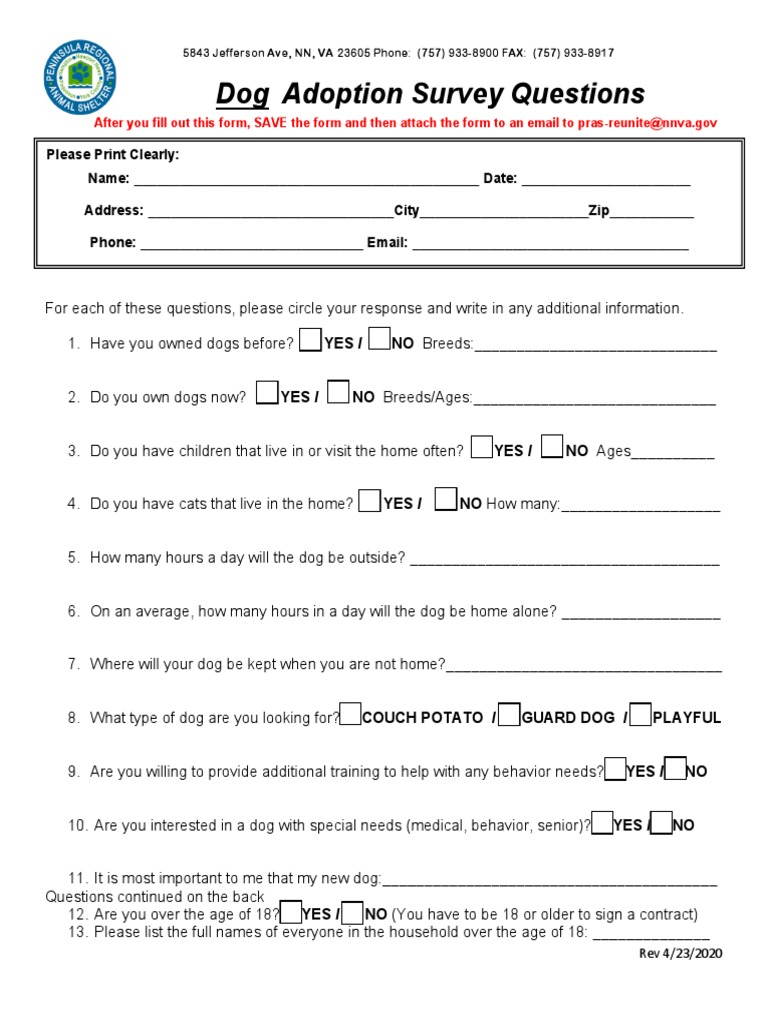
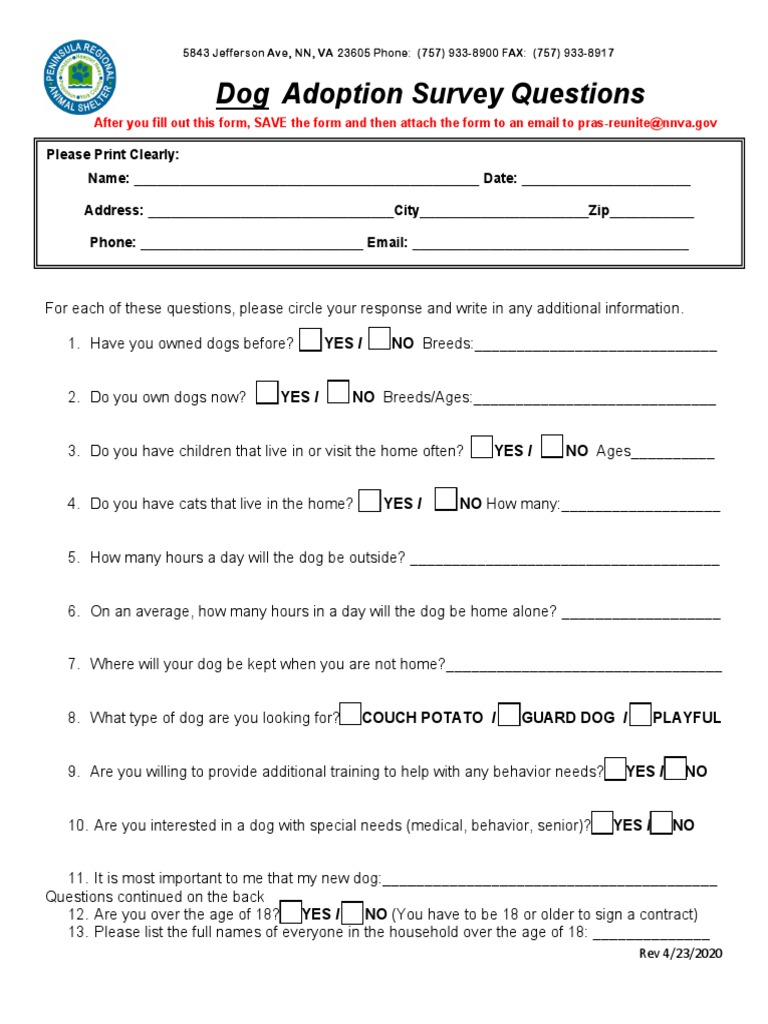
Most projects rely on online questionnaires, short phone interviews, or small discussion groups. These tools collect both numbers and personal stories, offering a rounded view of the journey from interest to adoption. Respondents usually span a variety of ages, living situations, and previous pet experience, helping researchers capture a broad spectrum of views.
Highlights from Recent Findings
1. Why People Adopt
Surveys show three motives come up again and again:
– Companionship: Many want a loyal friend to share daily life and ease loneliness.
– Family Life: Parents often hope a dog will teach children kindness and responsibility.
– Second Chances: A large share of adopters say they simply wish to offer a homeless dog a fresh start.
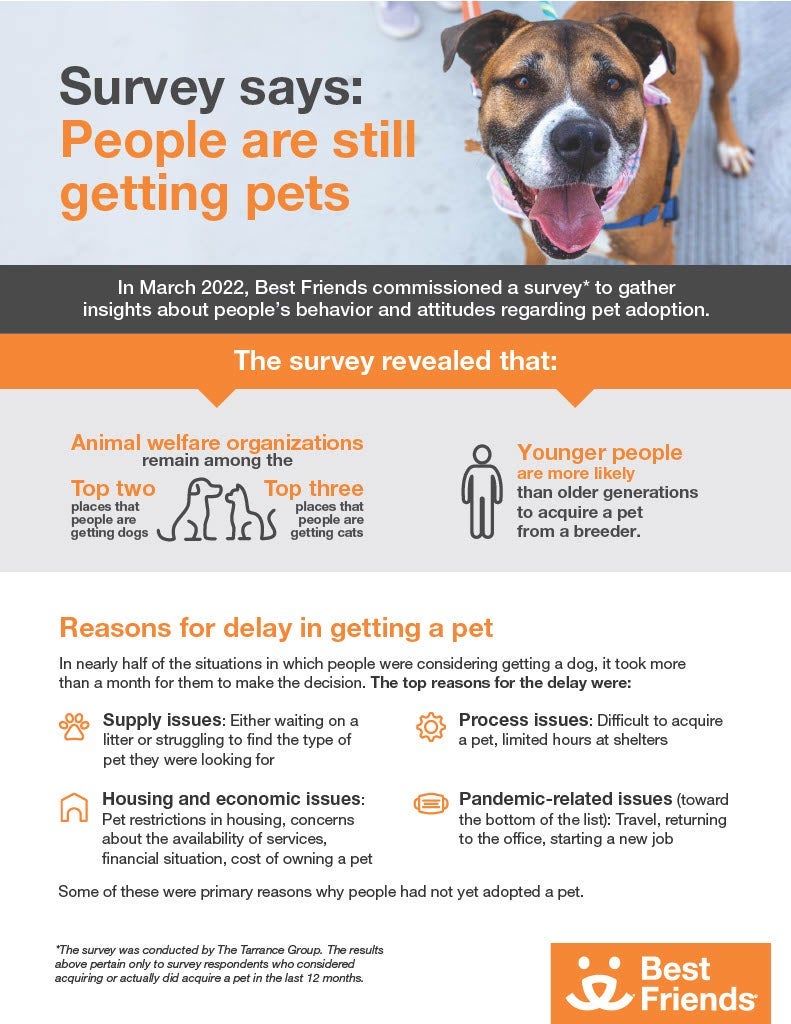
2. Hurdles Along the Way
Even eager would-be owners report several concerns:
– Long-Term Commitment: Worries about vet visits, daily exercise, and years of care can give pause.
– Budget Limits: Food, vaccinations, grooming, and emergencies add up, discouraging some applicants.
– Knowledge Gaps: Uncertainty about breed traits or training needs sometimes leads people to delay adopting.
3. Overall Community Mood
Most respondents express warm support for adoption, seeing it as an act of kindness. Many also recognize the wider benefit: every adopted dog makes room for another animal in need. Still, outdated myths linger—for example, that dogs end up in shelters only because of serious behavior problems.
Turning Insight into Action
Survey results can guide practical changes:
– Smarter Shelter Practices: Knowing common worries lets staff tweak meet-and-greet routines, offer post-adoption check-ins, and provide clearer medical histories.
– Targeted Education: Data can shape workshops or handouts that explain costs, exercise needs, and training basics before adoption papers are signed.
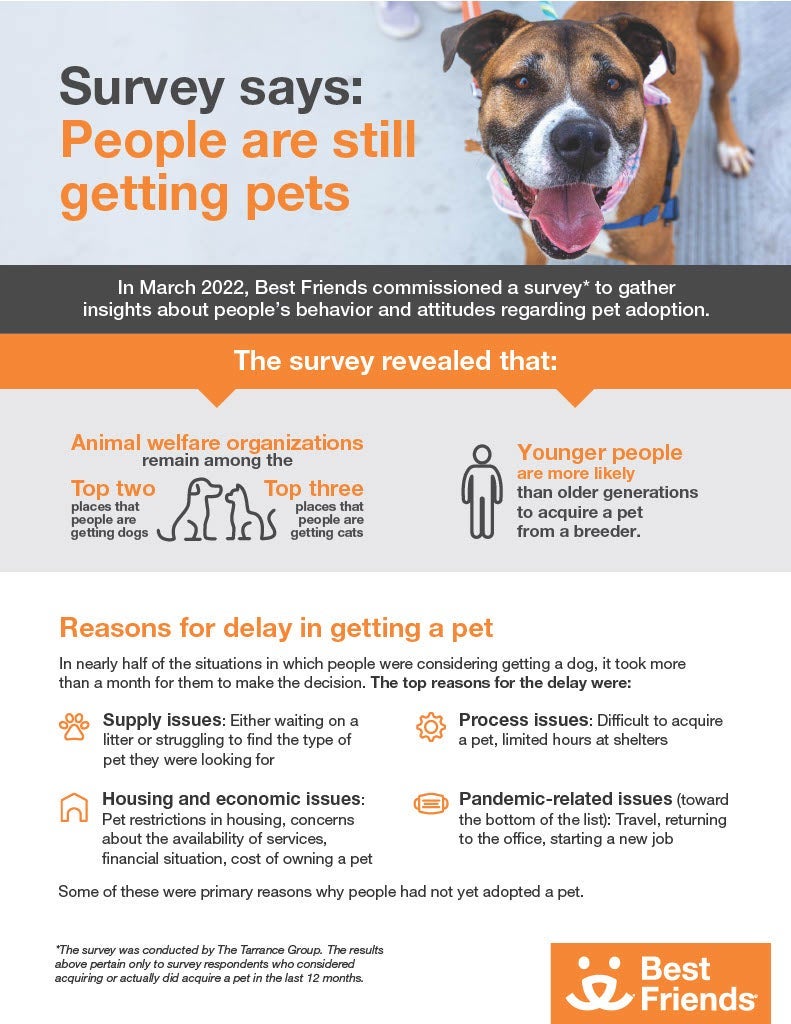
– Broader Outreach: Positive statistics and success stories can be shared on social media or local news to inspire more community members to consider adoption.
Conclusion
Well-designed surveys remain one of the best windows into the thoughts and feelings of future dog owners. By acting on what these studies reveal, shelters, volunteers, and policymakers can smooth the path from homeless kennel to loving couch, creating happier dogs and happier families.
Next Steps and Future Work
To keep improving, experts suggest:
– Repeat Studies: Short, regular questionnaires can track how attitudes shift year by year.
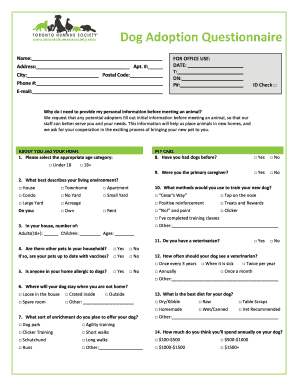
– Deeper Demographic Focus: Tailored questions for students, seniors, or first-time owners can uncover group-specific needs.
– Stronger Partnerships: When researchers work side by side with shelter teams, new tools—such as mobile apps or virtual meet-ups—can be tested and refined quickly.
In short, continuous learning through adoption surveys helps the entire community move toward more thoughtful, successful, and compassionate dog placements.