


The Impact of Online Puppy Platforms on Pet Ownership and Animal Welfare
Introduction
The internet has reshaped many aspects of daily life, including how people welcome pets into their homes. Online puppy platforms now offer a quick, browse-and-click route to finding a new companion. This article weighs the benefits and drawbacks of such sites, considering how they influence both household decisions and broader animal-welfare outcomes.
The Rise of Online Puppy Platforms
Convenience and Accessibility
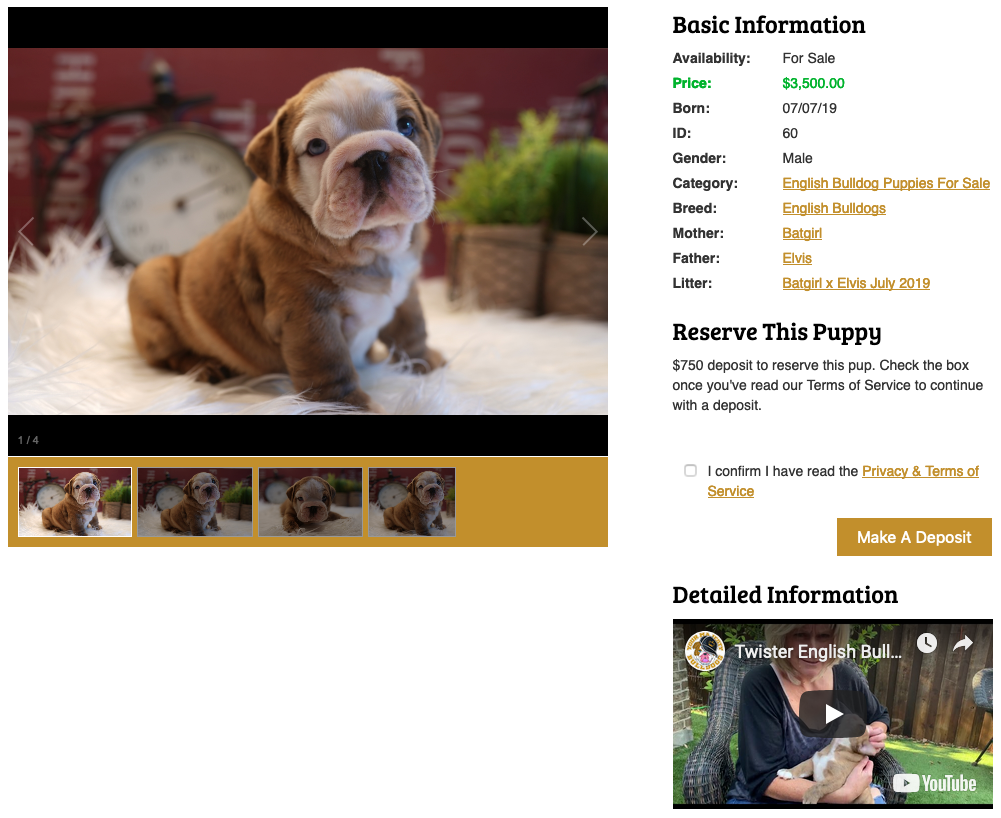
From any connected device, future owners can scan photos, read breed notes, and compare temperaments without leaving the sofa. Filters for size, energy level, or coat type shorten the search, while posted health summaries aim to give buyers confidence before they arrange a meeting.
Market Expansion
By linking breeders with distant buyers, these portals have widened the puppy marketplace. Niche breeds that once required long road trips are now a click away, and complementary businesses—training guides, toy shops, subscription treat boxes—have flourished alongside the listings.
The Negative Impact of Online Puppy Platforms
Ethical Concerns
Speed and anonymity can reward volume-driven breeders. When profit outranks care, conditions may slide: crowded pens, skipped vet checks, or repeated matings that risk hereditary problems. High online demand can unintentionally keep such cycles alive.
Health Risks
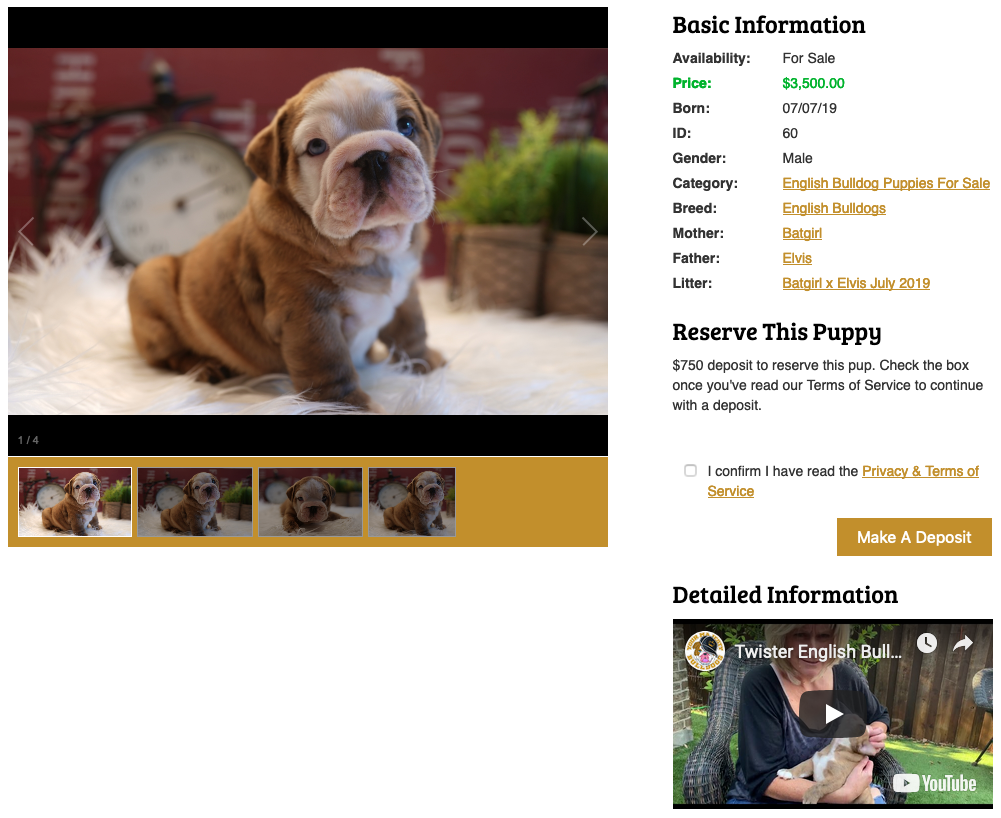
Photos and short clips rarely reveal coughs, anxiety, or hip issues. A pup that looks bright on screen might arrive underweight or socially unprepared, leaving families with unexpected vet bills and emotional strain.
The Role of Online Puppy Platforms in Animal Welfare
Promoting Responsible Breeding
Some platforms now verify welfare standards before allowing ads, spotlighting breeders who raise litters in home environments, screen for genetic diseases, and retire dams early. These signals can steer buyers toward higher-welfare sources and reward good practice.
Raising Awareness
Banner campaigns, blog posts, and checkout reminders can nudge visitors to consider adult shelter dogs or to research breed-specific needs. Built-in checklists on training, exercise, and lifetime costs help reduce impulse decisions and later surrenders.

Conclusion
Online puppy platforms are neither heroes nor villains; they are tools whose impact depends on how they are run and used. When transparency, education, and welfare checks sit at the core, convenience can coexist with compassion. Buyers, breeders, and site operators share responsibility for ensuring that every click supports humane treatment.
Recommendations and Future Research
To curb downsides while keeping the benefits, the following steps are suggested:
1. Require verifiable welfare credentials before any litter can be listed.
2. Feature adoptable shelter animals alongside breeder listings to normalize rescue options.

3. Offer plain-language guides on lifelong pet care at every stage of the search.
Future studies could explore:
1. Health and behavioral outcomes of dogs acquired through online platforms versus traditional channels.
2. Whether third-party audits measurably improve breeder practices.
3. How effectively platform-based education shifts user attitudes toward adoption and responsible ownership.