



The Diversity and Importance of Domesticated Animals
Introduction
Domesticated animals form a broad spectrum of species that people have tamed and bred over millennia. They supply food, labor, companionship, and many other services that shape daily life. This article surveys the variety of domesticated animals, highlights their value to society, and reflects on how domestication has influenced both animals and people. By looking at different facets of this process, we can better appreciate the intricate bond between humans and the creatures they have brought into their communities.
The Evolution of Domestication
The Process of Domestication
Domestication is a gradual, multifaceted journey. It centers on selecting animals with favorable traits—such as higher yield, calmer temperaments, or adaptability to human settings—and breeding them over many generations. These repeated choices have produced the wide range of domesticated species familiar today.
The Role of Human-Animal Interaction
Close interaction between people and animals lies at the heart of domestication. Through daily contact, humans have learned to harness the strengths of different species while adjusting husbandry practices to meet environmental limits and animal needs. This evolving partnership has deepened over thousands of years.
The List of Domestic Animals
Mammals
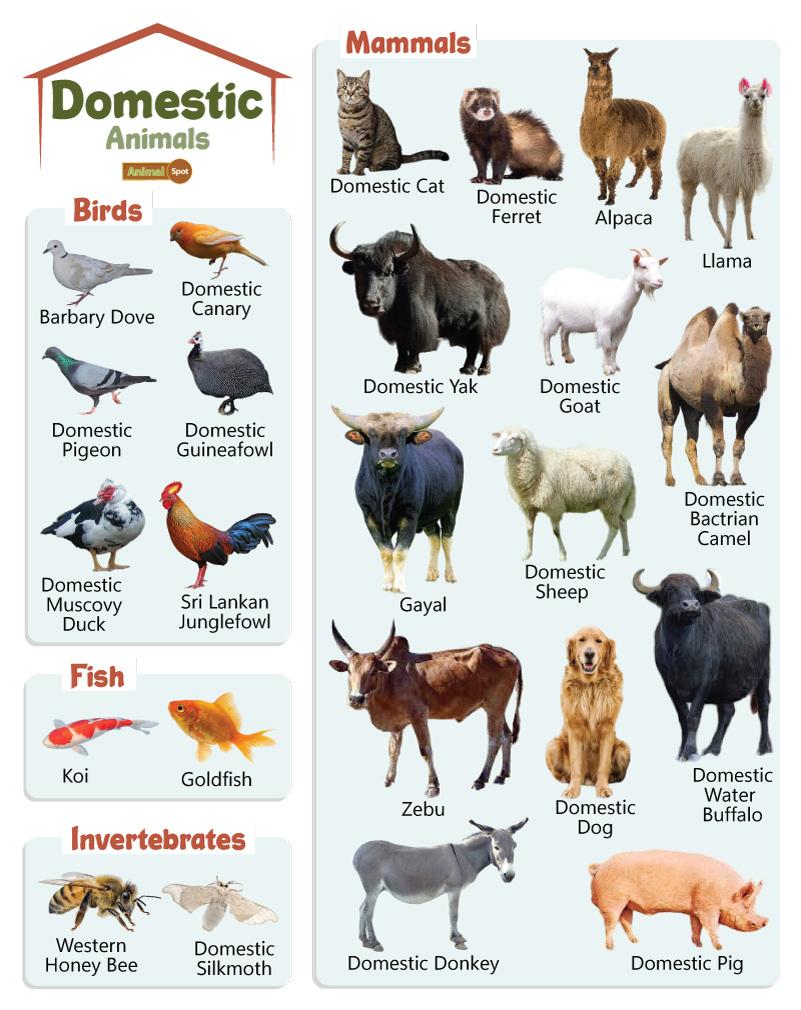
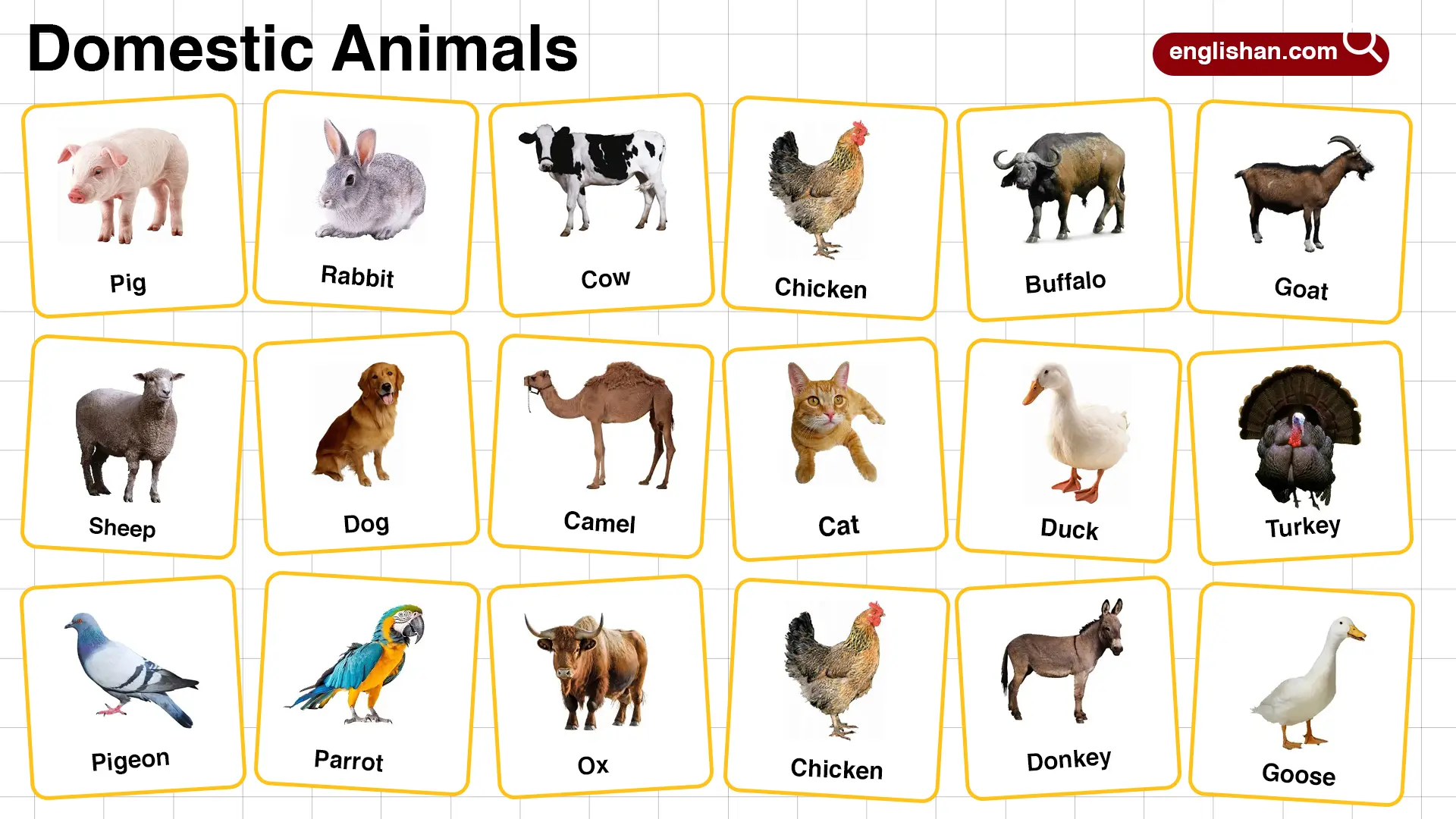
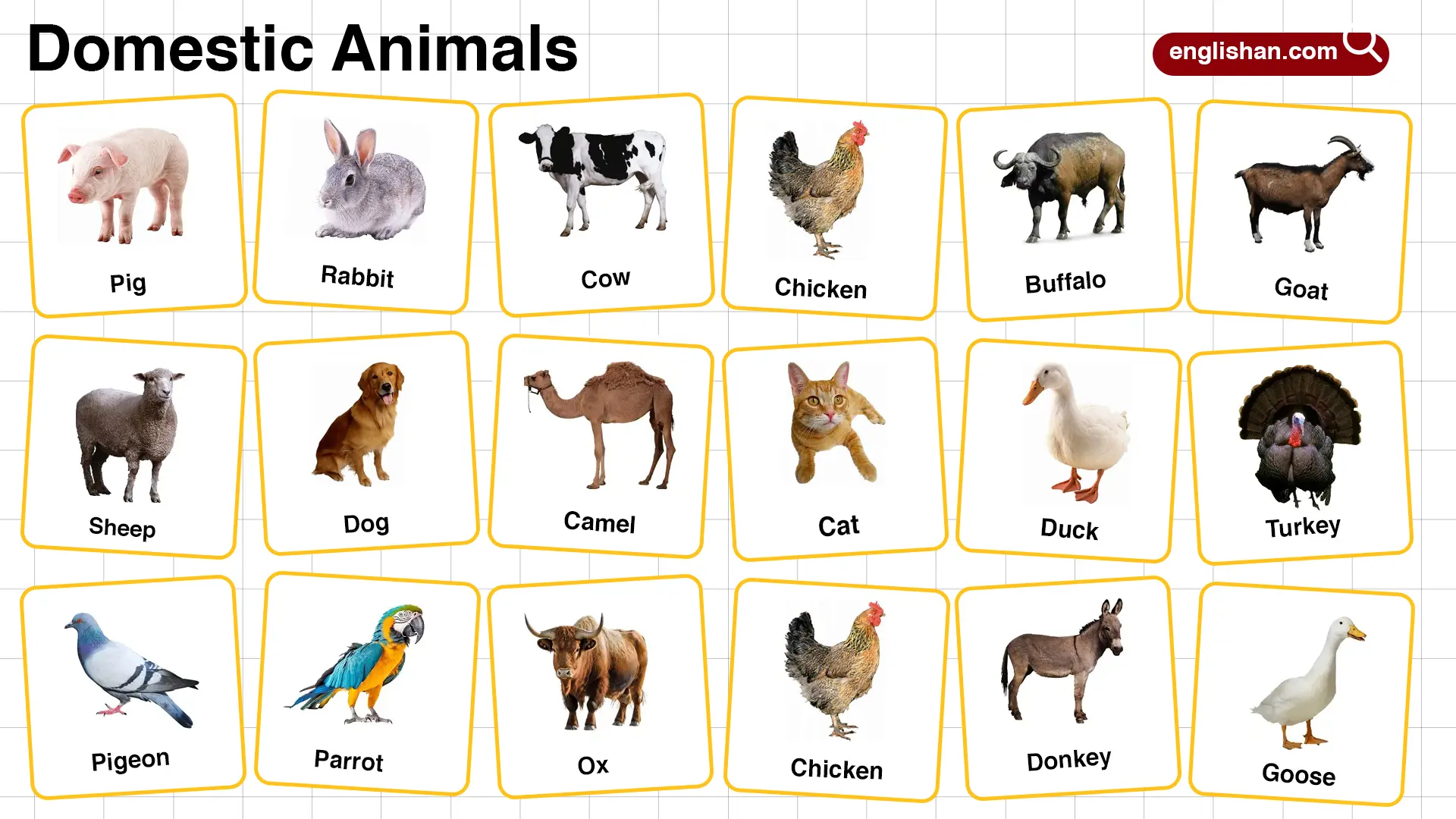
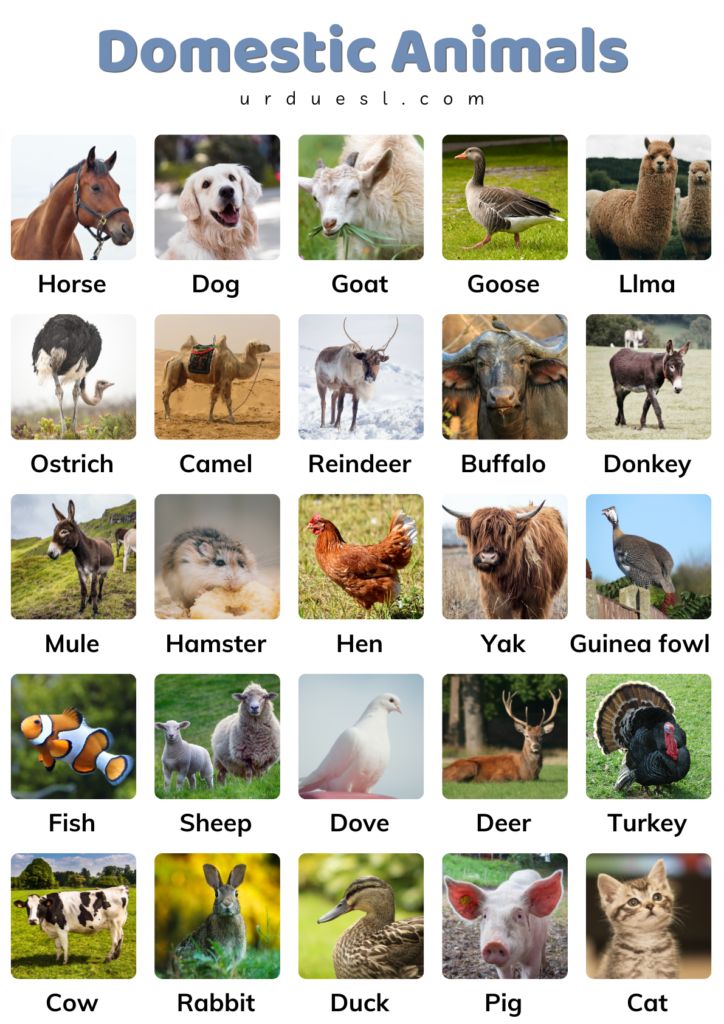
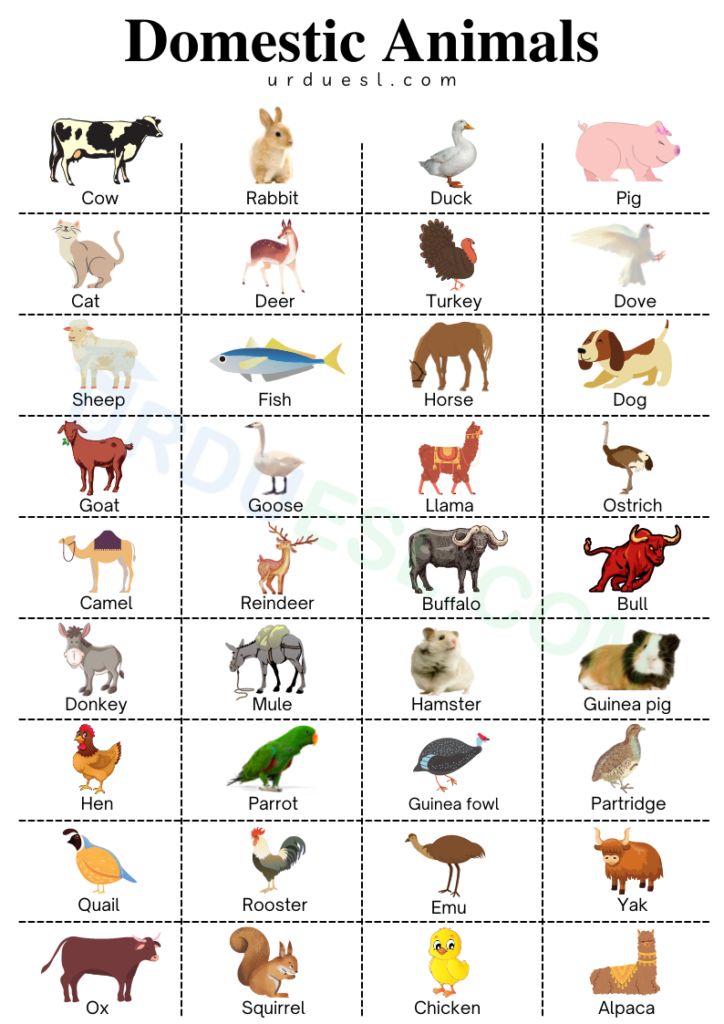
Domestic mammals include cattle, sheep, goats, pigs, horses, and camels, among others. They have served communities worldwide for centuries, providing milk, meat, fiber, leather, draft power, and transport.
Birds
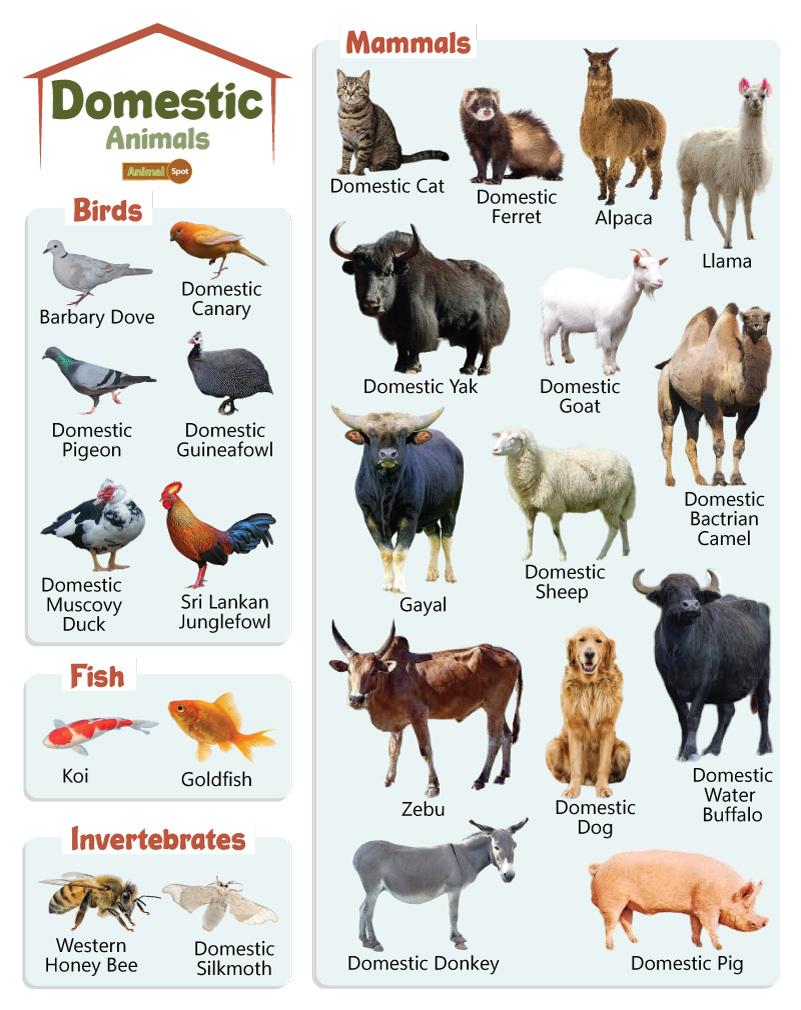
Chickens, ducks, turkeys, and geese dominate the avian side of domestication. Raised primarily for meat and eggs, they also supply feathers used in bedding, insulation, and decorative arts.
Fish and Aquatic Animals
Fish such as carp and tilapia, together with crustaceans like shrimp, are increasingly farmed to meet global demand for protein. Aquaculture now supplements wild fisheries and supports livelihoods along many coasts and river basins.
Insects
Bees and silkworms represent the smaller domesticates. Beekeeping yields honey and wax, while sericulture provides silk, illustrating that even tiny creatures can offer valuable products.
The Significance of Domestic Animals
Economic Importance
Livestock and other domesticates underpin local and global economies. They generate income, create jobs, and supply raw materials for industries ranging from textiles to pharmaceuticals.
Cultural Significance
Across cultures, domestic animals appear in folklore, festivals, and art. They symbolize prosperity, fertility, or protection, and often play central roles in traditional ceremonies.
Health and Nutrition
Animal-source foods deliver essential amino acids, vitamins, and minerals that complement plant-based diets. Moderate consumption supports growth, cognitive development, and overall nutritional balance.
The Impact of Domestication
Ethical Considerations
Selective breeding for productivity can inadvertently compromise welfare, leading to health problems or restricted natural behaviors. Balancing human benefits with humane treatment remains an ongoing ethical challenge.
Environmental Impact
Large-scale animal farming contributes to habitat conversion, greenhouse-gas emissions, and nutrient runoff. Sustainable practices are needed to mitigate these effects while feeding a growing population.
Conclusion
Domesticated animals illustrate humanity’s long, complex relationship with other species. They enrich diets, economies, and cultures, yet their management also raises moral and ecological questions. Recognizing this duality encourages more responsible stewardship of the creatures that live and work alongside us.
Recommendations and Future Research
To promote ethical and sustainable animal use, stakeholders should:
1. Expand studies on welfare outcomes of different breeding and housing systems.
2. Enforce standards that safeguard animal health and allow expression of natural behaviors.
3. Invest in feed innovations, manure management, and other technologies that lessen environmental footprints.
4. Raise public awareness of where animal products come from and the values underlying their production.
Future research could explore:
1. Genomic changes linked to tame behavior and productivity traits.
2. Long-term health effects of intensive versus extensive rearing systems.
3. Integration of livestock into regenerative farming models that restore soil and biodiversity.
4. Cross-cultural perceptions of domestic animals and how they shape policy and trade.
By tackling these topics, society can ensure that domesticated animals continue to contribute to human well-being in ways that are humane, equitable, and environmentally sound.