




Siberian Husky Adoption Guide: What Future Owners Should Know
Introduction
The Siberian Husky remains one of the most eye-catching and energetic companions a family can welcome. Before bringing one home, it helps to understand the breed’s needs, possible health concerns, and how to locate responsible sources. This overview offers practical pointers for anyone considering a Husky, no matter where they live.
Breed Characteristics
Appearance
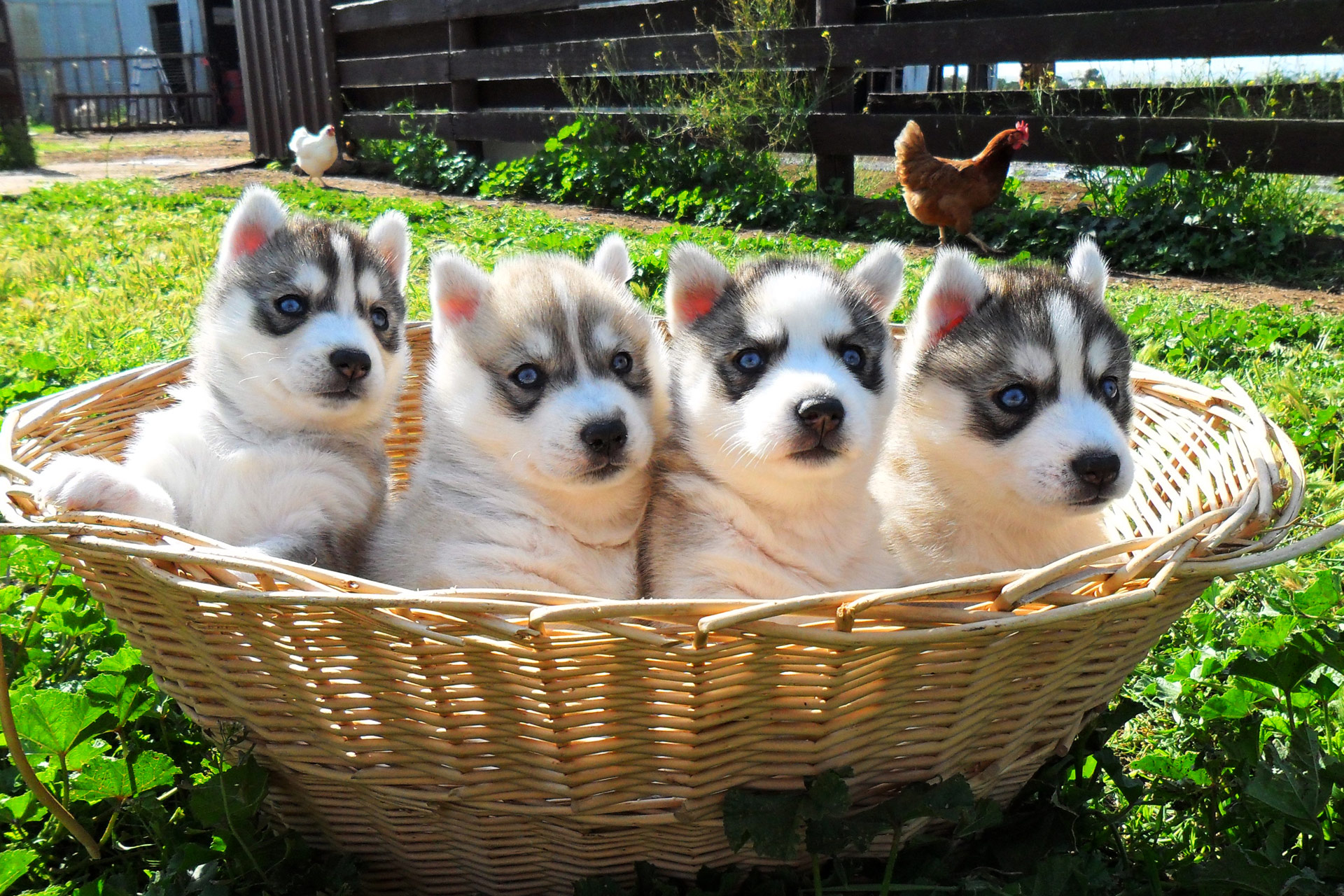
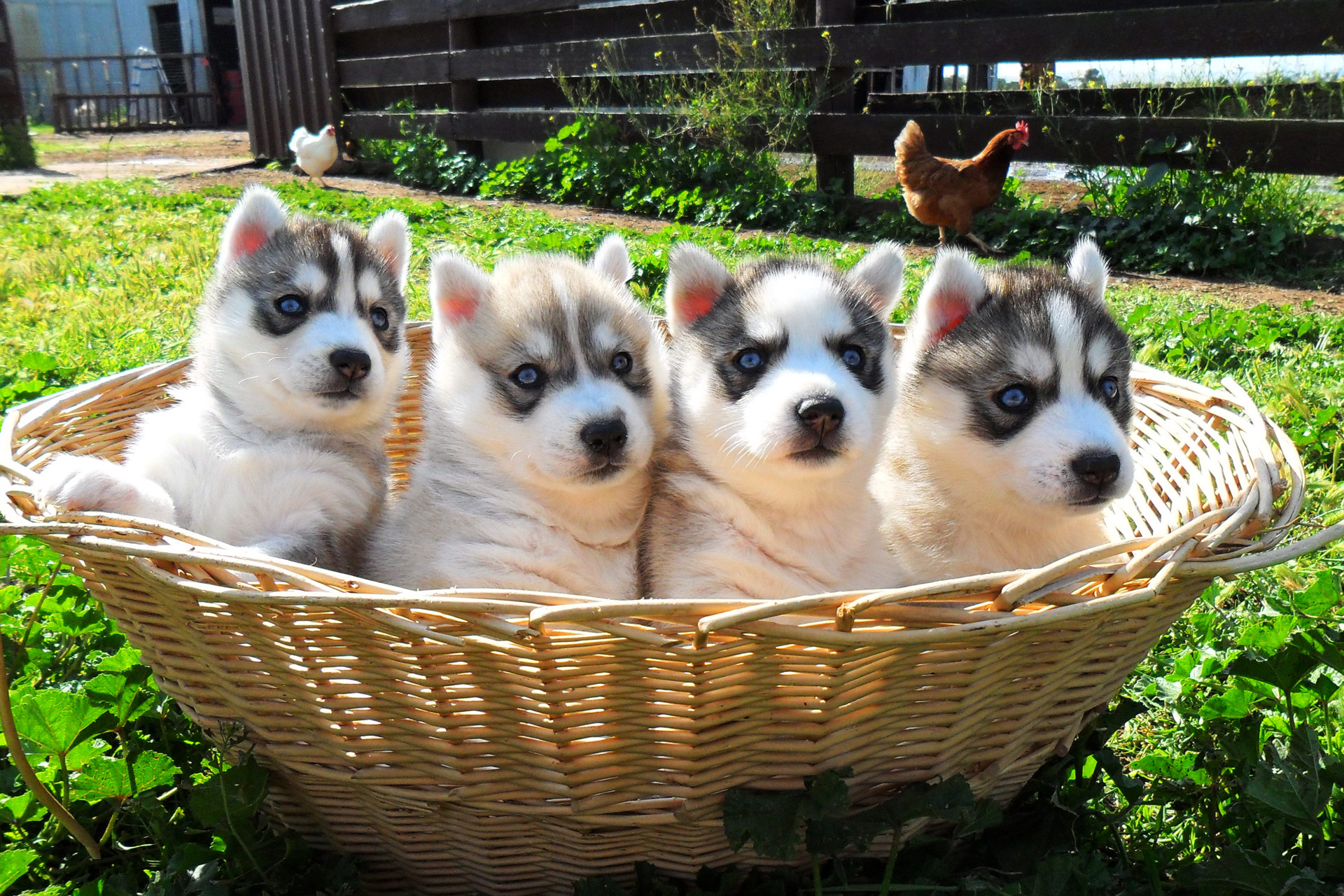
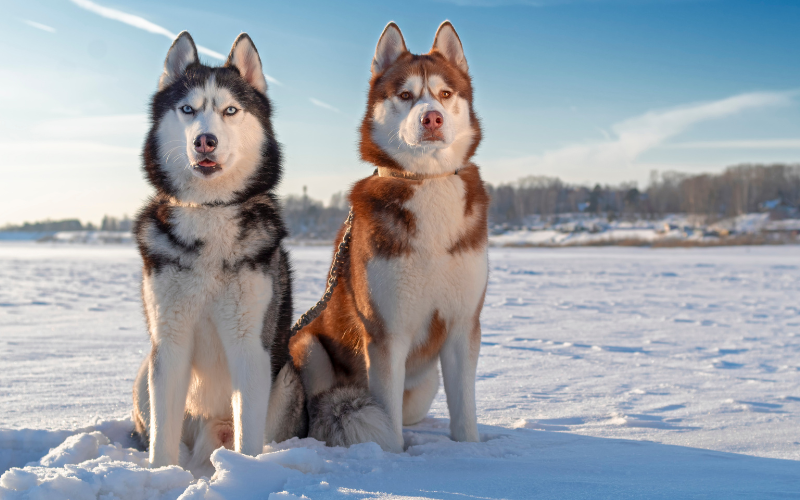
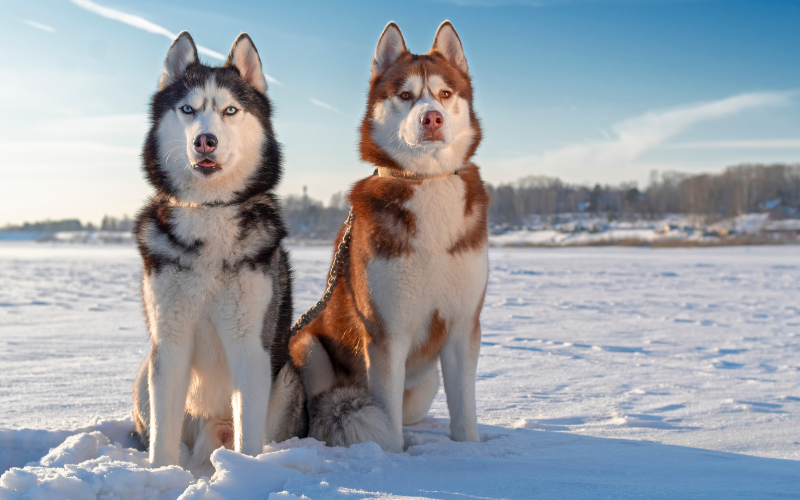
Huskies are medium-sized athletes wrapped in a dense double coat that can be gray, red, black, or pure white. Their almond-shaped eyes—often blue, brown, or a mix—give them a wolf-like stare, while their plumed tail curls gracefully over the back.
Temperament
Friendly to both people and other dogs, Huskies crave company and can become bored if left alone too long. Their independent streak means consistent, upbeat training works best. A secure yard is essential, because these escape artists will dig or jump when adventure calls.
Exercise Needs
Plan on at least one brisk hour of activity daily—running, hiking, or bike-joring—to keep minds and muscles satisfied. Puzzle toys and scent games add mental stimulation that prevents chewed furniture and other boredom habits.
Health Considerations
Common Health Issues
Like any purebred, Huskies carry inherited risks:
– Hip dysplasia: abnormal hip joint development that may lead to arthritis.
– Elbow dysplasia: similar malformation in the front legs.
– Eye disorders: cataracts and progressive retinal atrophy can appear over time.
– Skin sensitivities: allergies sometimes show up as itching or ear infections.
Responsible Breeding
Reputable breeders screen breeding stock for these conditions and share certificates openly. Request documentation of hip, elbow, and eye clearances before committing to a puppy.
Finding a Reputable Breeder
Research
Start with national kennel clubs or regional Husky associations for breeder referrals. Visit premises in person to see clean surroundings, meet at least one parent, and observe puppy interactions. Good breeders ask you as many questions as you ask them.
Questions to Ask
– What health tests do you perform on your dogs?
– May I view the pedigree and health certificates?
– How do you socialize the puppies before placement?
– Do you offer a written health guarantee and lifetime take-back policy?
– What diet and exercise routine do you recommend?
Online Resources
Adoption Websites

Several nonprofit platforms list Huskies in need of new homes. Filter by age, location, and energy level to find a match that suits your lifestyle.
Rescue Networks
Breed-specific rescues often have adolescents or adults already house-trained, sparing you the teething phase. Volunteers can detail each dog’s temperament and exercise requirements, making the transition smoother.
Conclusion
Adding a Siberian Husky to your life means committing to daily exercise, ongoing training, and regular grooming. By choosing a responsible source and preparing your home for an active companion, you set the stage for years of sled-free adventures and affectionate howls.
Future Research
Continued studies on exercise-induced health outcomes, optimal diets for different climates, and the benefits of early neurological stimulation could further improve welfare standards for this spirited breed.