



Title: How Online Cat Rehoming Platforms Support Animal Welfare
Introduction
Animal welfare has become a growing concern worldwide, with communities and volunteers joining forces to improve the lives of companion animals. Among the most visible challenges is the steady rise in the number of cats without stable homes. Digital rehoming platforms have stepped in as practical tools, connecting caregivers with people ready to adopt. This article examines how these online services strengthen animal welfare by easing the pressures created by large numbers of unattended cats.
The Challenge of Cat Overpopulation
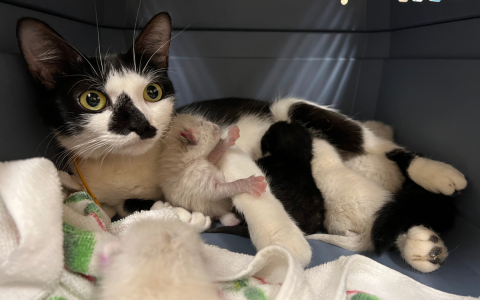
Across towns and cities, free-roaming and abandoned cats are a common sight. When numbers grow unchecked, the animals face hunger, illness, and stress, while neighbourhoods cope with noise, waste, and rising shelter intake. Experts agree that only a fraction of the cats entering care facilities each year find permanent families, leaving many still in need of help.
The Role of Cat Rehoming Sites
Rehoming websites act as bridges between cats who need care and people willing to provide it. Typical services include:
– Posting profiles of cats available for adoption, often with photos and short personality notes.
– Filtering tools that match feline traits—age, energy level, medical needs—with adopter preferences.
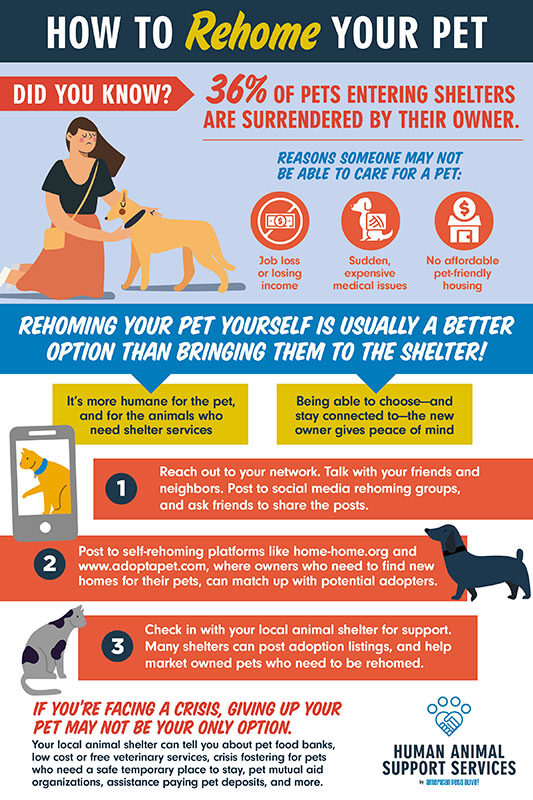
– Guidance articles on responsible guardianship, covering topics such as vaccination schedules, indoor enrichment, and introductions to other pets.
Benefits of Cat Rehoming Sites
These platforms deliver wide-ranging advantages:
– Fewer cats on the street: Every successful adoption lowers the outdoor population and the risks that come with it.
– Better quality of life: Indoor homes provide consistent meals, safety, and social interaction.
– Stronger welfare awareness: Success stories motivate visitors to spay or neuter their own pets and to choose adoption first.
Case Studies and Success Stories
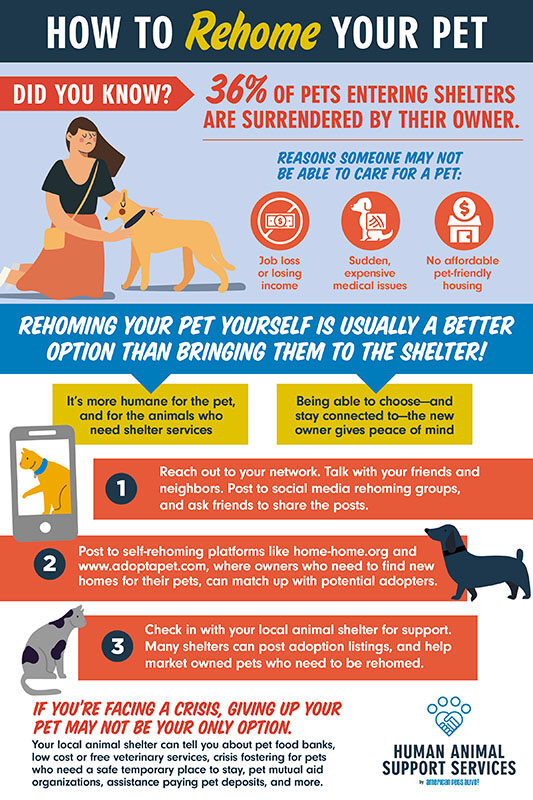
Several well-run groups have placed thousands of cats through online listings combined with local meet-and-greet events. Volunteers report that clear photographs, honest behaviour notes, and prompt replies to enquiries greatly increase the chance of a smooth match.
Challenges and Limitations
Even the most dedicated platforms encounter hurdles:
– Tight budgets: Hosting fees, veterinary checks, and transport costs add up quickly.
– Limited visibility: Reaching audiences beyond core animal lovers requires ongoing marketing.
– Regional rules: Adoption standards, quarantine periods, and transport permits vary, complicating cross-border placements.
Conclusion
Online rehoming networks have become key allies in the effort to secure safe, loving homes for cats. By showcasing adoptable animals and educating the public, they reduce stray numbers and advance overall welfare. Continued cooperation among website operators, veterinarians, local authorities, and adopters will determine how much more progress can be made.
Recommendations and Future Research
Steps that can amplify positive results include:
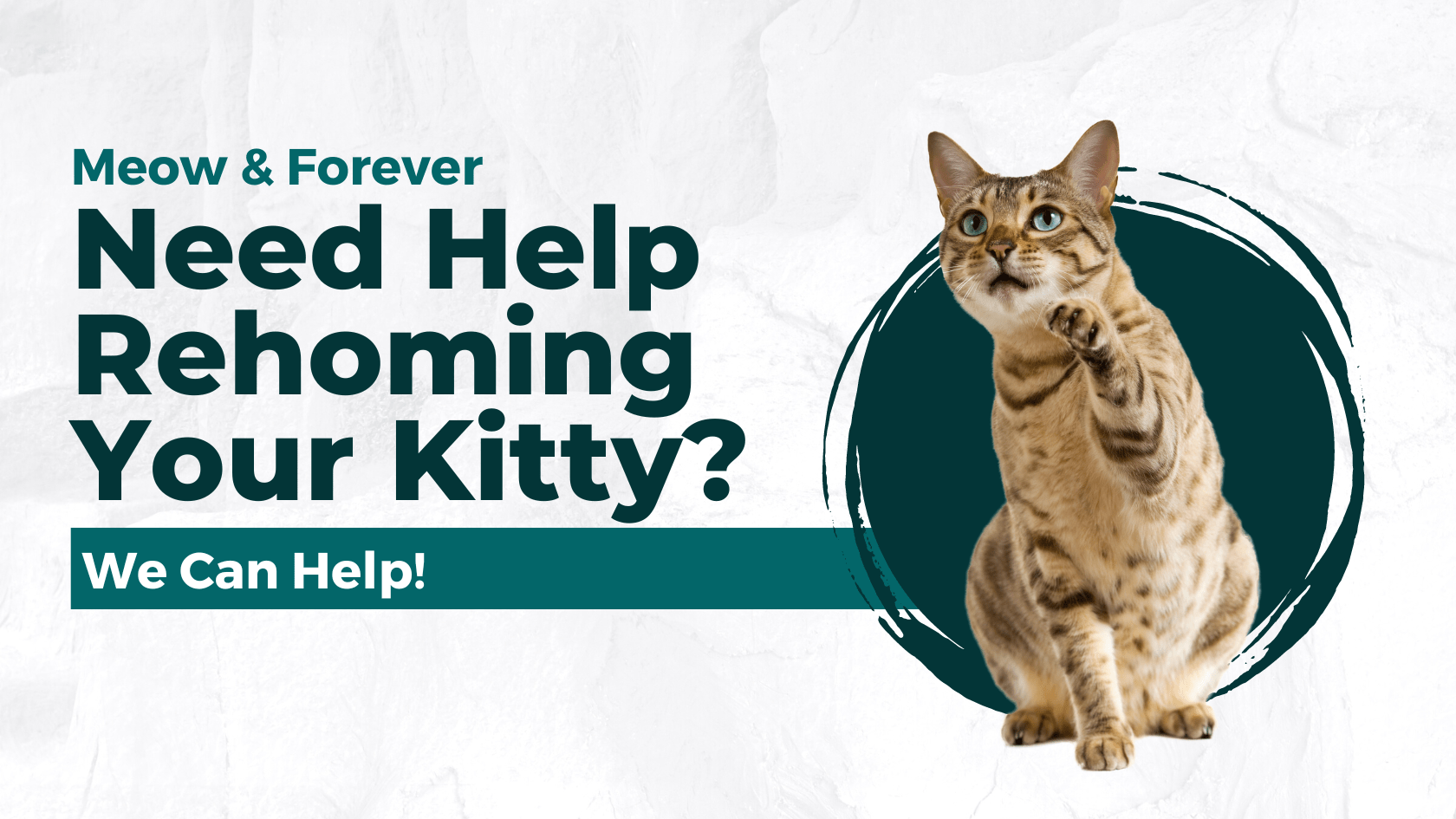
– Awareness campaigns: Social media, school talks, and poster drives can widen the pool of potential adopters.
– Shared resources: Donations, transport volunteers, and reduced-rate clinic partnerships ease financial strain.
– Data-driven studies: Gathering anonymised statistics on length of stay, return rates, and long-term adoption satisfaction can refine best practices.
By supporting these measures, communities can move closer to a future where every cat has a secure and caring home.