




The Role of Dogs as Pets: A Comprehensive Analysis
Introduction
Dogs have shared their lives with humans for thousands of years, and their place in our homes has grown far beyond simple companionship. This overview looks at what dogs bring to everyday life, the responsibilities they create, and the ways they shape communities. By tracing the human-canine bond through history, psychology, and social life, we can see why these animals remain so important.
Historical Perspective
Archaeological clues suggest that dogs were the first domesticated species, gradually moving from campside guards to fireside friends. Early societies relied on keen noses and quick paws for hunting and herding, yet even then, burial sites and artwork hint at affection as well as utility. Over centuries, selective breeding and closer daily contact shifted the relationship toward emotional partnership, laying the groundwork for the modern family dog.
Psychological Benefits of Dog Ownership

Spending time with a dog can lift mood and ease tension. Daily walks encourage exercise, while gentle routines such as feeding and grooming add structure to the day. Many owners describe feeling calmer when stroking a dog’s coat or hearing a familiar bark at the door.
Therapy programs in hospitals, schools, and crisis centers regularly invite calm, well-trained dogs to comfort people coping with anxiety, grief, or loneliness. For individuals facing post-traumatic stress or neurodevelopmental differences, a steady canine presence can reduce sensory overload and provide a safe focal point in crowded settings.
Social Benefits of Dog Ownership
A leashed dog is a natural conversation starter. Neighborhood walks often lead to friendly greetings, shared training tips, or invitations to local parks. Over time, these small exchanges can weave stronger community threads and reduce feelings of isolation.
For those who find social situations daunting, a dog offers a ready topic of discussion and a reason to step outside. Children who struggle with eye contact or turn-taking sometimes practice these skills while playing fetch or giving simple commands, building confidence in a low-pressure setting.
Challenges of Dog Ownership

Sharing life with a dog also demands resources. Food, routine check-ups, parasite control, and occasional emergencies add up, so prospective owners need a realistic budget. Daily exercise, training, and mental stimulation require consistent time slots that can clash with long workdays or frequent travel.
Even well-mannered pets can startle, jump, or nip when frightened. Owners shoulder legal and moral responsibility for preventing bites, containing noise, and cleaning up in public spaces. Insurance policies, obedience classes, and secure fencing are common safeguards.
The Impact of Dogs on Society
On the positive side, visible canine patrols can deter trespassing, while visiting therapy teams boost morale in care homes. Popularity of dog walking nudges people toward healthier daily step counts and more time outdoors.
Conversely, unattended waste can foul sidewalks and waterways, and barking disputes sometimes strain neighborly relations. People with allergies or cultural concerns may feel uneasy around loose animals, highlighting the need for clear shared-space rules.
Conclusion
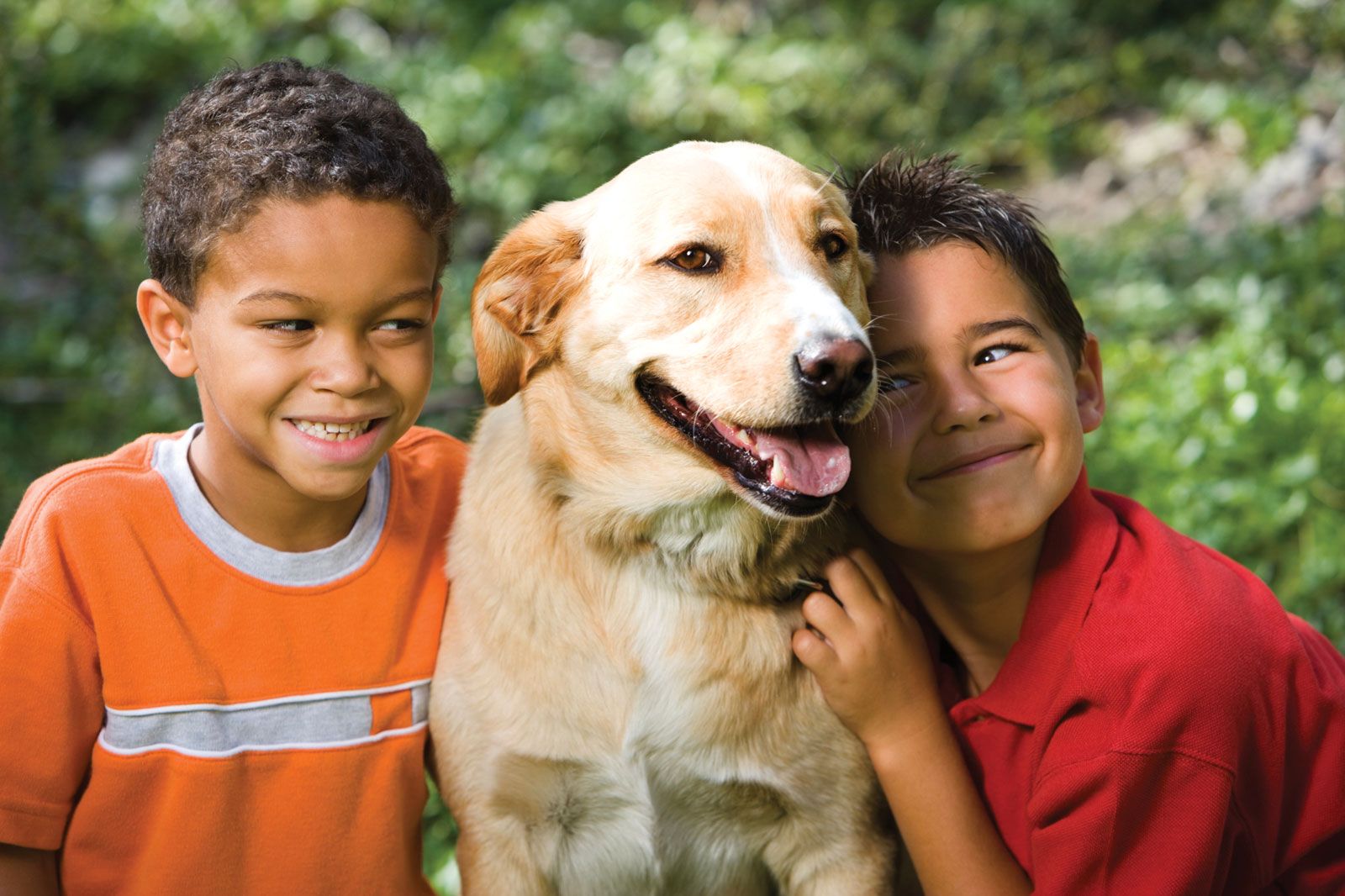
Dogs enrich personal well-being, spark social bridges, and encourage active lifestyles, yet they also create financial, ethical, and environmental duties. Recognizing both rewards and obligations helps communities craft policies that keep pets, people, and the planet comfortable.
Recommendations and Future Research
To support balanced ownership and limit downsides, consider the following steps:
1. Offer widely accessible guidance on training basics, dietary needs, and preventive health care.
2. Invest in shared amenities—well-lit walking paths, waste-bag stations, and affordable training courses—that make responsible care easier.
3. Keep gathering evidence on how canine contact influences stress hormones, social networks, and physical activity across different age groups.
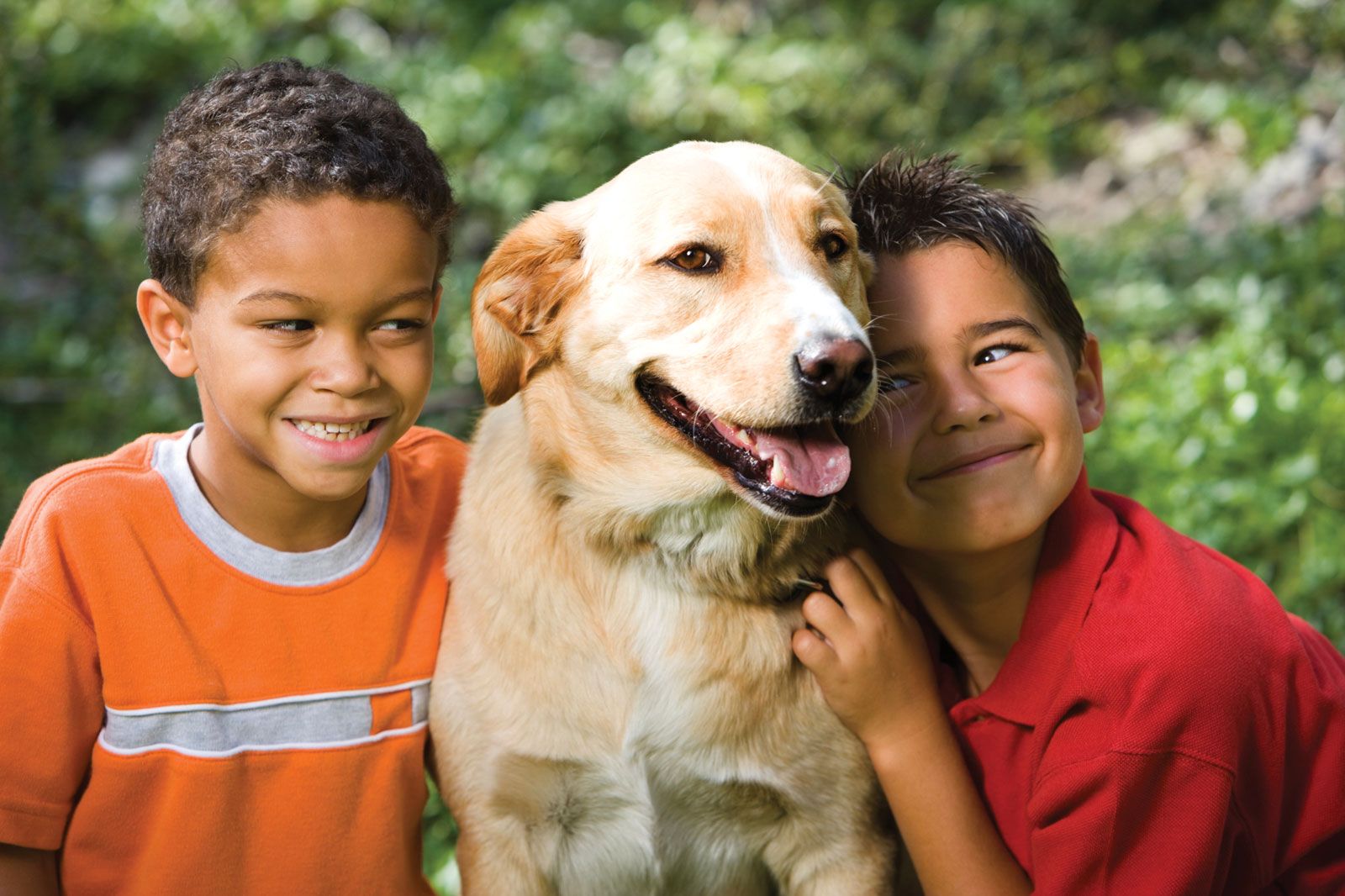
Future studies could explore:
1. Lifelong developmental effects of growing up with dogs in diverse households.
2. Optimal therapy-dog protocols for seniors, students, and people with varied support needs.
3. Sustainable ways to manage waste, reduce allergens, and integrate dogs into increasingly dense cities.
By combining practical support with ongoing research, society can preserve the joys of dog companionship while minimizing friction for everyone involved.