



The Science Behind Best Friend Compatibility: A Friendly Guide
Friendship shapes our daily happiness and long-term well-being. A compatible companion can turn ordinary moments into cherished memories and provide steady support during life’s ups and downs. This article explores why some people click instantly, how simple assessments can hint at lasting harmony, and what anyone can do to nurture deeper bonds.
What “Compatibility” Really Means
Rather than promising a perfect match, compatibility signals how easily two people can understand, respect, and enjoy one another. Common measures include shared temperament, hobbies, core values, and everyday communication habits. When these elements align, friendship tends to feel natural and balanced.
Temperament in Everyday Life
Psychologists often summarize personality in five broad dimensions: openness to experience, conscientiousness, extraversion, agreeableness, and emotional stability. Friends who land in similar ranges usually interpret each other’s reactions with less effort, reducing misunderstandings and friction.
Shared Passions and Principles
Mutual interests supply ready-made activities, while aligned values offer a compass for decisions. Whether it is a love for hiking or a belief in kindness first, overlap in these areas creates a reservoir of positive experiences and mutual respect.
Talking and Listening
Good friends balance speaking up with genuine listening. Compatible styles mean both parties feel heard without constant clarification. Over time, this rhythm builds trust and keeps small issues from snowballing.
Why Compatibility Matters
Paying attention to fit at the start can set the stage for healthier, longer-lasting friendships. Key benefits include:
Meeting Kindred Spirits
Recognizing common ground early helps you invest time in people whose company you will genuinely enjoy, making social life more energizing than draining.
Smoother Conversations
Understanding each other’s default style—direct or diplomatic, playful or serious—lets you adapt without feeling fake, cutting down on awkward moments.
Stronger Emotional Support
When basic patterns mesh well, friends more readily offer and accept help, creating a cycle of goodwill that reinforces the relationship.

Research Highlights
Academic work consistently links similarity with friendship satisfaction. Three simplified takeaways are:
Personality Overlap and Friendship Formation
Multiple studies show that people gravitate toward peers who share comparable levels of traits like agreeableness and openness, leading to quicker rapport.
Common Interests as Social Glue
Research in social psychology finds that shared activities and beliefs foster a sense of “we-ness,” which predicts both enjoyment and longevity in the relationship.
Communication Fit and Conflict Reduction
Investigations into interpersonal communication reveal that friends with matching styles report fewer unresolved disagreements and higher day-to-day comfort.
Putting Insight into Practice
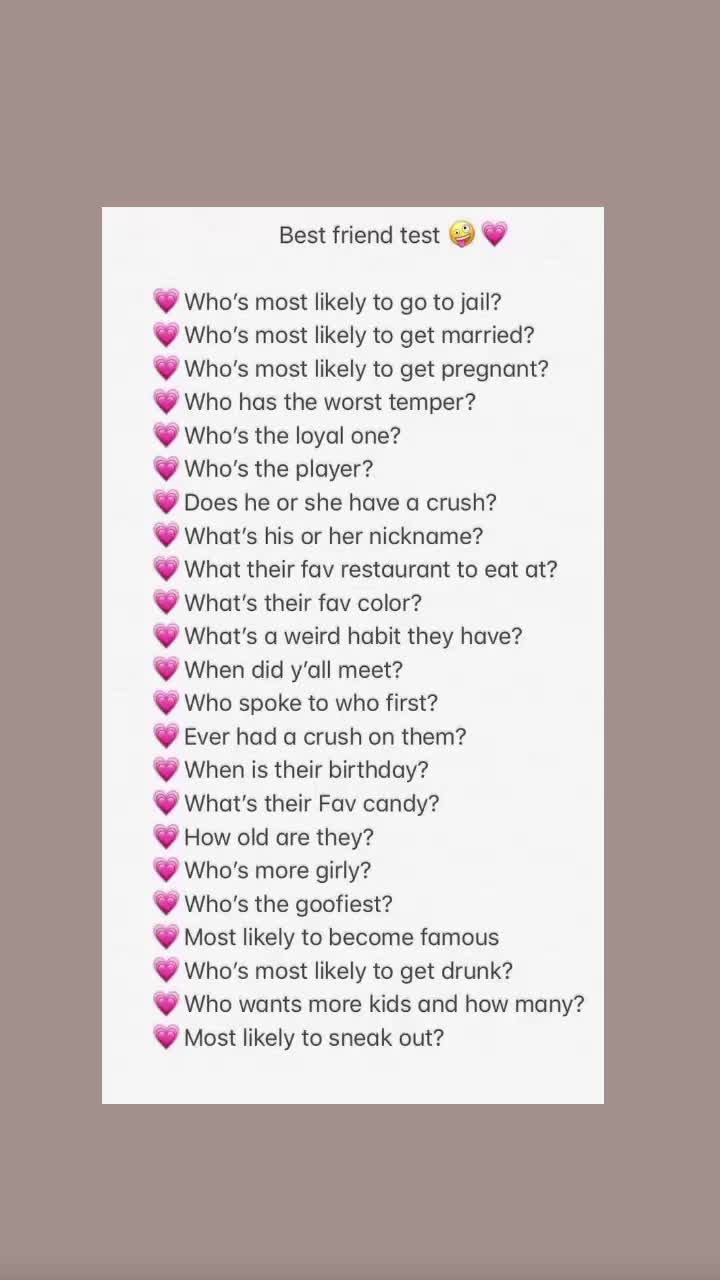
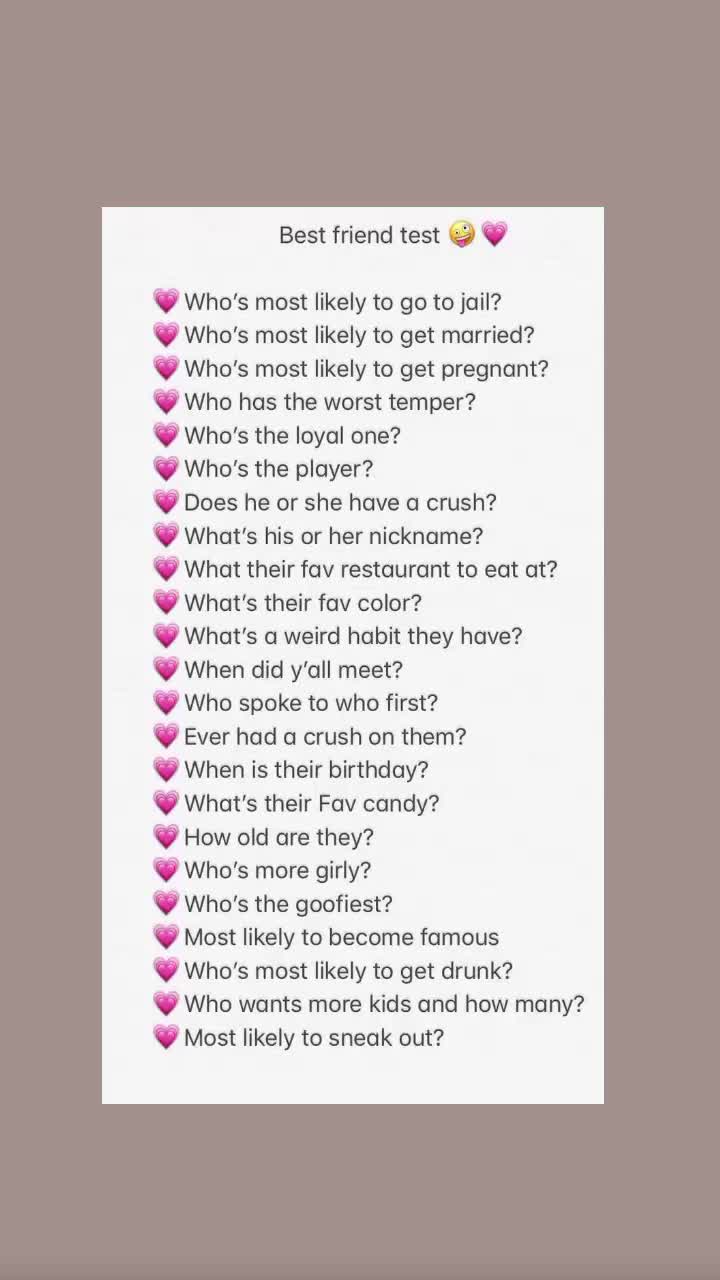
While no quiz can guarantee a perfect buddy, reflecting on personality, passions, values, and communication habits offers useful clues. Use these insights to start conversations, plan joint activities, and address differences early. Over time, deliberate effort plus natural compatibility can turn new acquaintances into lifelong friends.
Final Thoughts
Compatibility is less about ticking boxes and more about noticing where your rhythms naturally align. By staying curious about both similarities and differences, you can build friendships that are supportive, enjoyable, and resilient enough to last for years.
