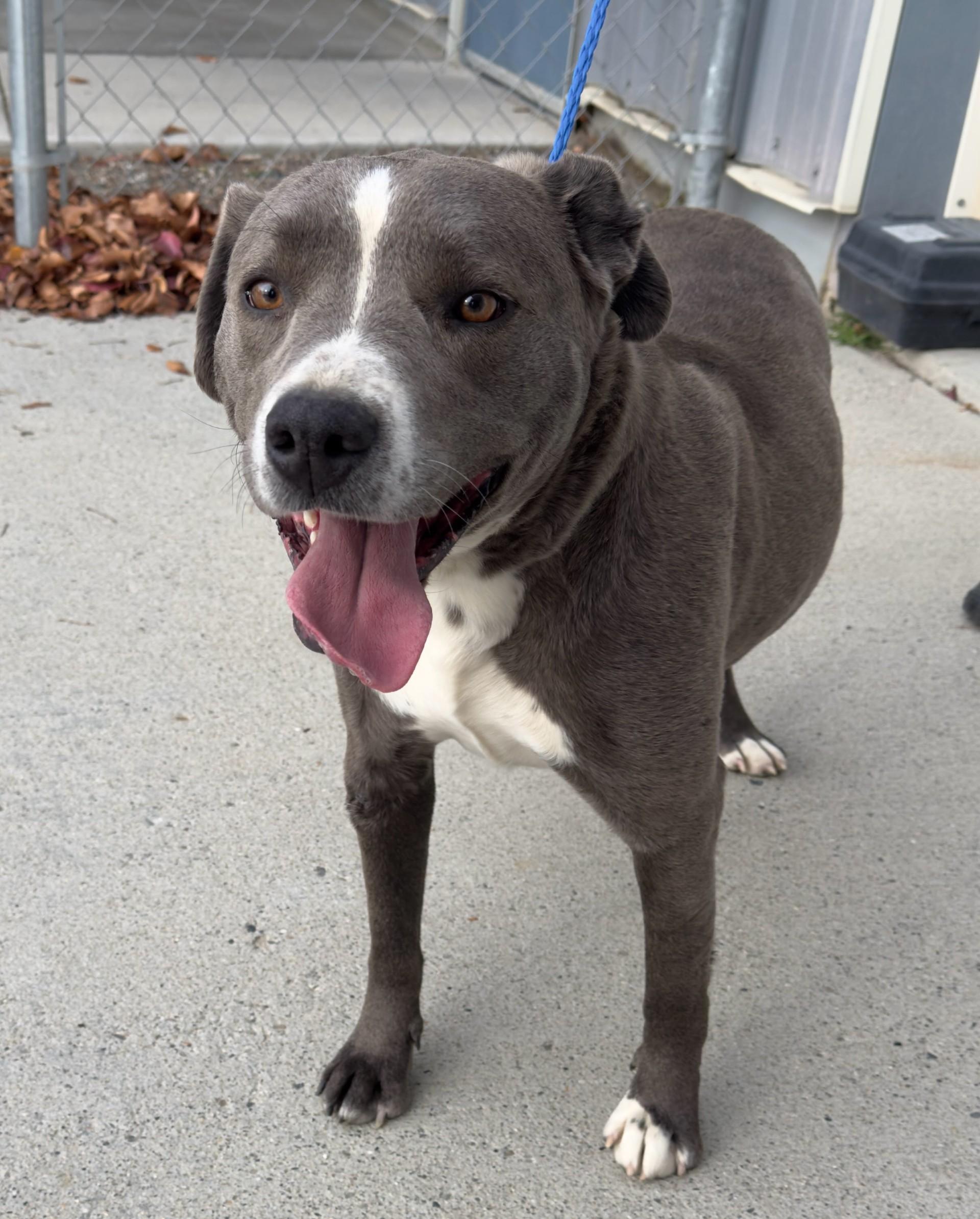

The Impact of a Regional Pet-Rescue Network on Animal Welfare and Adoption
Introduction
A community-based rescue network focused on matching homeless animals with caring families has quietly transformed local adoption trends. This article explores how the program’s outreach, foster partnerships, and volunteer energy have improved welfare standards across the region, offering a template that similar towns can adapt.
The Importance of Animal Welfare
Millions of pets still face abandonment or inadequate care each year, leading to health and behavioral challenges. Grass-roots groups that offer temporary shelter, medical attention, and adoption counseling serve as a safety net, turning vulnerable animals into cherished companions.
A Regional Pet-Rescue Network: A Brief Overview
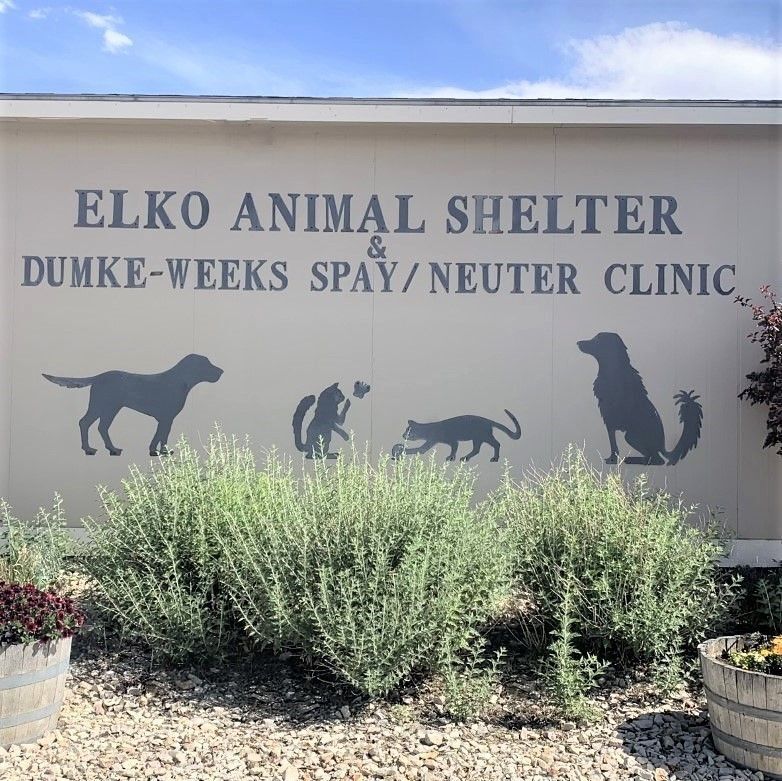
The initiative operates a welcoming hub where dogs, cats, and small critters stay until placed. Coordinating with nearby foster homes and veterinary clinics, the network widens its reach without overcrowding a single facility.
Strategies for Success
The program relies on four practical pillars that keep pets moving toward permanent homes:
1. Community Engagement
Monthly pop-up meet-and-greets at farmers’ markets, school fairs, and sporting events introduce adoptable animals to new audiences while volunteers share quick tips on responsible guardianship.
2. Collaboration with Local Partners
By sharing transport, supplies, and training know-how, the network prevents duplication and ensures that even shy or medically needy animals receive specialized attention.
3. Online Presence
Up-to-date photo profiles, short personality videos, and real-time adoption paperwork shorten the journey from “browse” to “bring home,” especially for working families who cannot visit during weekday hours.
4. Adoption Events
Themed weekend gatherings—often paired with micro-chip clinics or dog-training demos—create a relaxed space for people and pets to connect, resulting in higher same-day placements.
The Impact of the Network
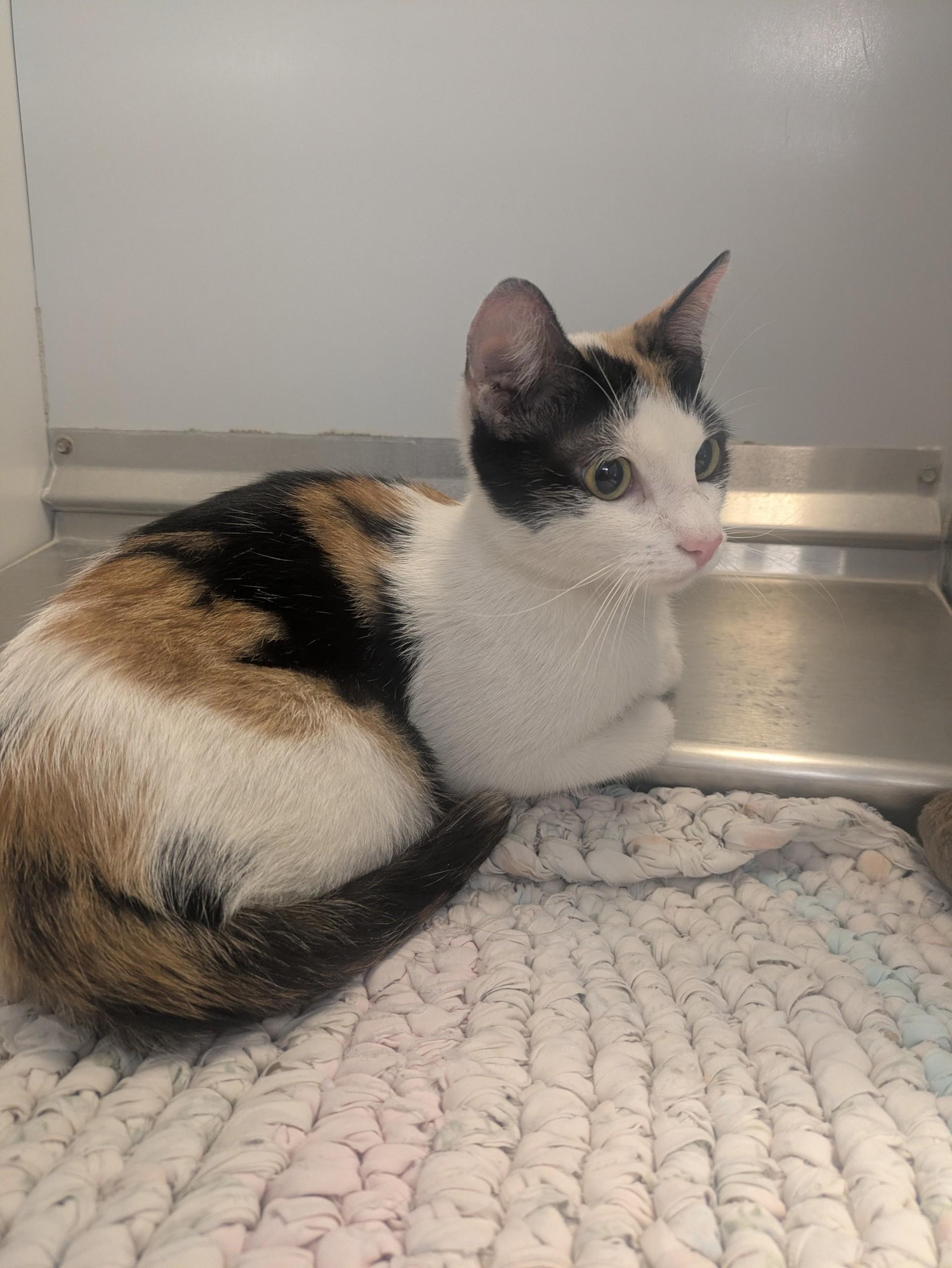
Measurable changes have appeared across the community:
1. Increased Adoption Rates
Year-over-year figures show more animals leaving through front doors than back gates, reducing average length of stay and daily care costs.
2. Improved Animal Welfare
Consistent enrichment routines, veterinary check-ups, and post-adoption follow-ups mean fewer returns and healthier, happier pets.
3. Enhanced Community Engagement
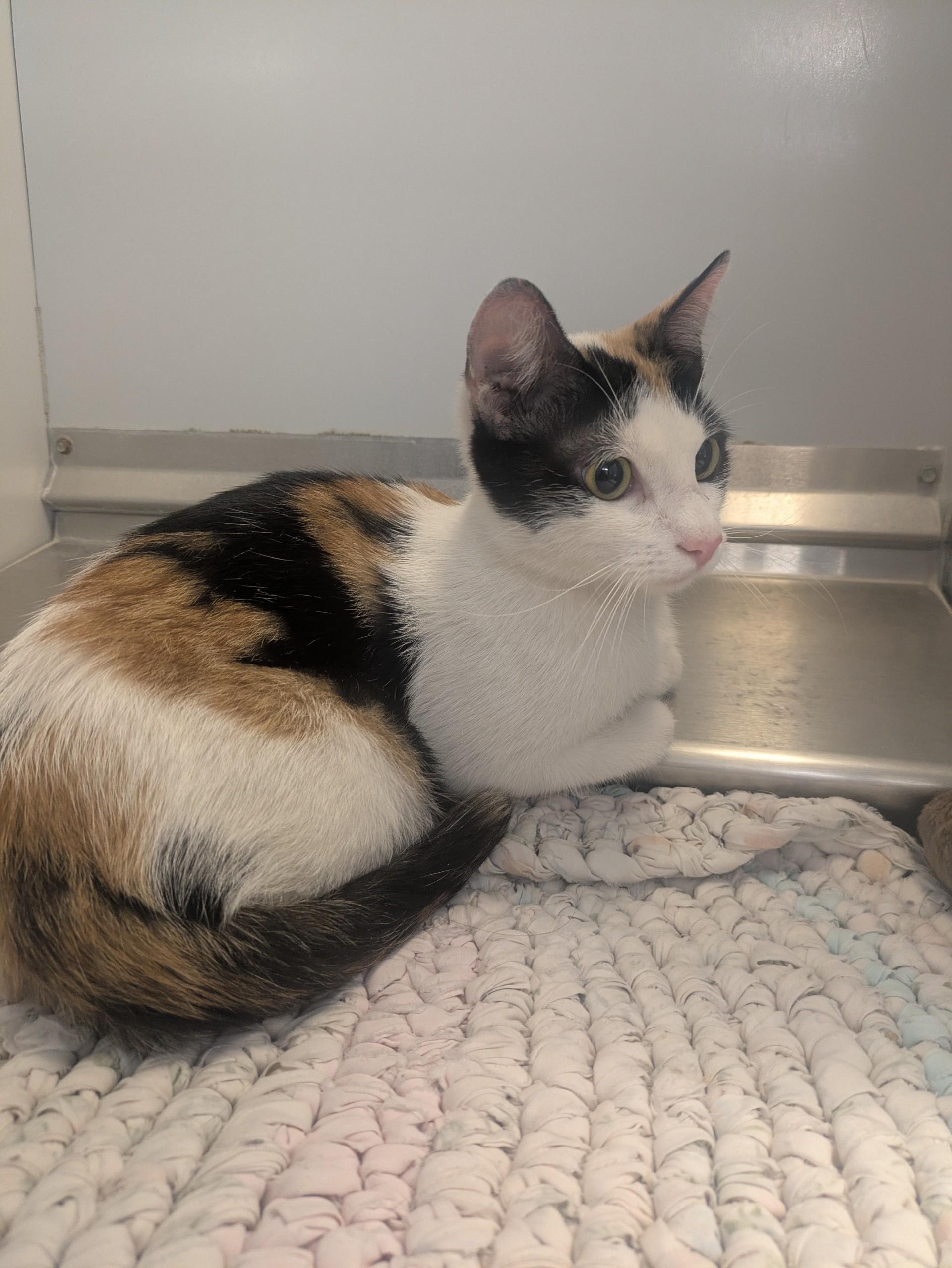
Neighborhoods that once reported strays now call the network first, turning residents into active participants rather than passive observers.
Conclusion
By blending outreach, partnership, and technology, the regional rescue network has rewritten the local story line from surplus to success, proving that committed volunteers can balance heart and efficiency.
Recommendations and Future Research
Looking ahead, three areas deserve attention:
1. Expand Collaboration Efforts
Involve more groomers, trainers, and pet-supply stores to create a wider safety net and share costs.
2. Develop Innovative Adoption Programs
Pilot weekend fostering or “trial sleepovers” that let families test compatibility before signing papers.
3. Conduct Research on Adoption Success Factors
Track follow-up data to learn which support calls, training vouchers, or medical packages best prevent returns, then refine services accordingly.
In conclusion, steady community involvement, smart alliances, and data-driven tweaks can keep the momentum alive, ensuring that every adoptable animal finds a lasting, loving home.