



Can You Adopt or Buy a Dog at PetSmart: A Practical Guide
Introduction
Many future pet parents wonder whether live dogs are sold inside PetSmart stores. The retail chain is famous for food, toys, and grooming, yet its role in placing actual dogs into homes is less understood. This overview explains how dogs arrive at PetSmart, what choices you will see, and how to decide responsibly.
Ethical Concerns
The main worry is the possible link between pet-store puppies and large-scale breeding kennels that keep animals in crowded conditions. When shoppers create demand for conveniently available puppies, such kennels can stay in business, so critics urge the public to think carefully before taking a dog home on impulse.
Large-Scale Breeding and Its Impact
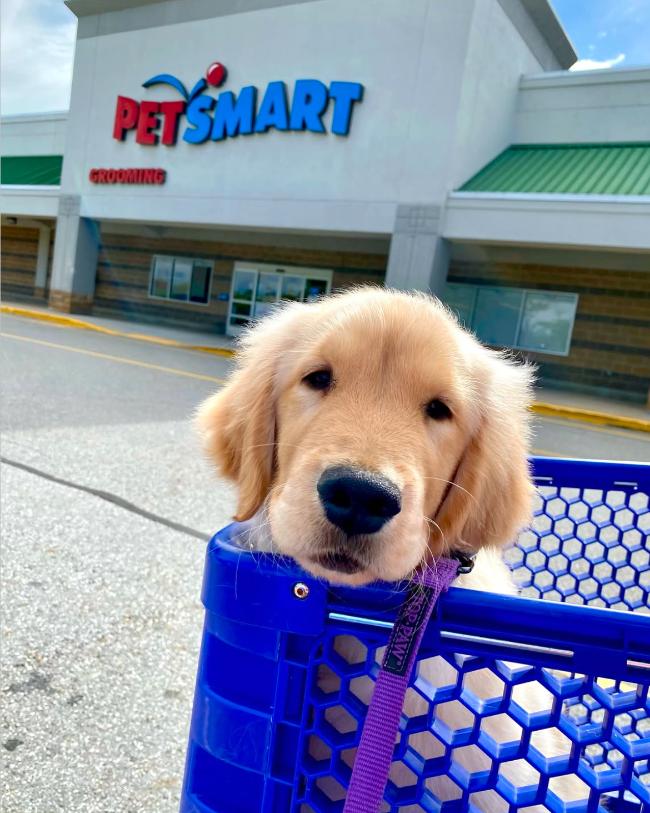
Animal-protection groups report that mass-breeding facilities often supply the pups seen in commercial outlets. Dogs raised there may experience minimal social time, limited vet care, and stressful transport before reaching a display pen, factors that can affect long-term health and behavior.
Alternative Perspectives
Not every dog in a retail setting comes from a problematic source; some arrive through local shelter outreach or registered foster networks. Still, any quick purchase can unintentionally support questionable breeders, so asking clear questions about origin remains essential.
Types of Dogs Available at PetSmart
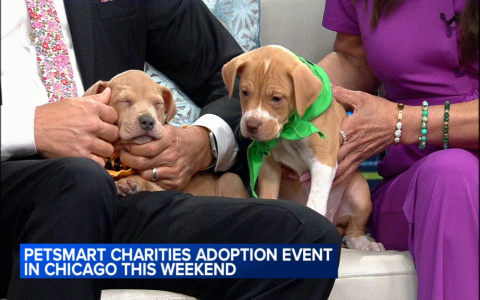
Instead of stocking puppies for sale, most PetSmart locations host weekend adoption events or house adoptable dogs from partner rescue groups. On occasion you might also encounter specific breed clubs offering information, yet the focus is typically on homeless pets rather than retail inventory.
Purebred Dogs
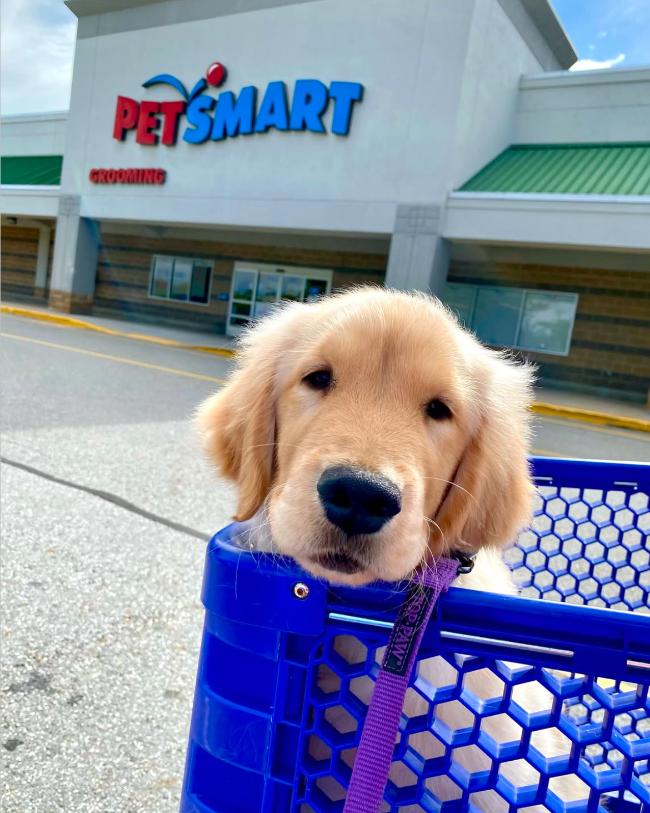
If you have your heart set on a particular breed, rescue organizations devoted to that breed frequently attend adoption days at PetSmart. These dogs are usually older, already spayed or neutered, and assessed for temperament, giving you a responsible way to adopt a purebred.
Mixed-Breed Dogs
Mixed-breed dogs are the most common guests at in-store adoption events. They often come with known personality notes from foster families, and adopting them frees shelter space for incoming animals.
The Pet Adoption Process at PetSmart
When you meet a dog at an adoption fair, the process starts with an application that covers your lifestyle, experience, and home set-up. A volunteer may call your references, and some groups require a brief home visit to be sure the environment is safe and secure.
Benefits of Adoption
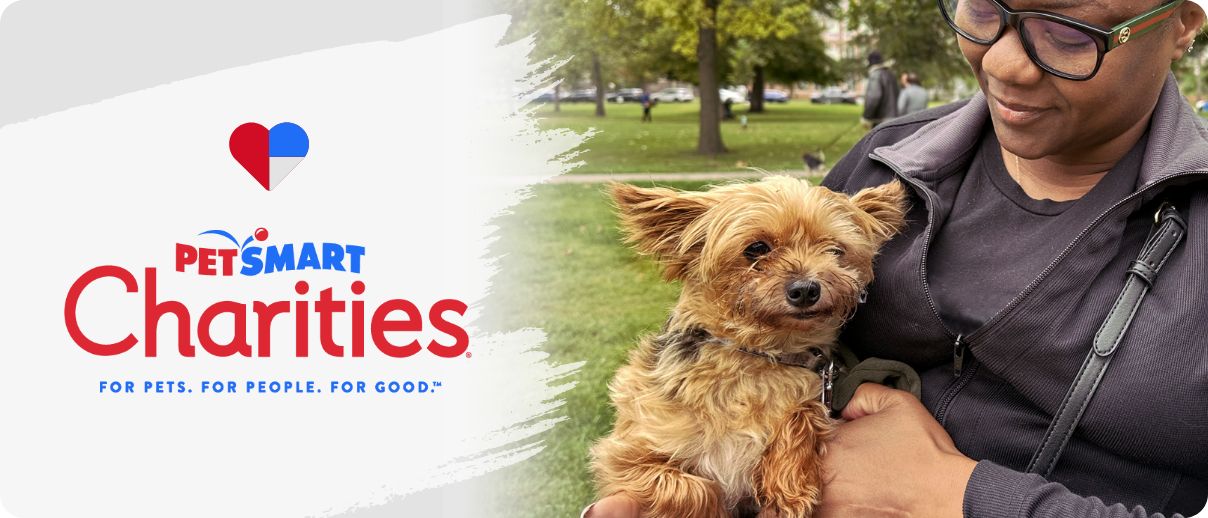
Choosing adoption gives a home to a dog that truly needs one, helps break the cycle of overpopulation, and usually costs less than purchasing from a breeder. Most adopted pets are already vaccinated and micro-chipped, saving you initial veterinary steps.
The Experience of Meeting a Dog at PetSmart
Whether you connect with a dog during an adoption weekend or attend an information session, several factors shape the experience:
Staff Knowledge
Rescue volunteers or store associates can share details about exercise needs, grooming demands, and medical history. Prepare questions in advance so you leave with a clear picture of daily care.
Dog Selection
Because available dogs rotate quickly, you might meet only a handful on any given day. Keep an open mind about age, size, and breed mix; the right match can appear when you least expect it.
Post-Adoption Support
PetSmart provides follow-up resources such as training classes, nutrition consults, and grooming services. Using these offerings can smooth the transition as your new companion settles in.
Conclusion
PetSmart itself does not function as a traditional puppy retailer; instead it partners with shelters and rescue networks to facilitate adoptions. Choosing adoption supports homeless pets and avoids fueling large-scale breeding operations. Visit with patience, ask thorough questions, and focus on finding the dog whose personality fits your life.
Recommendations and Future Outlook
To strengthen welfare standards, PetSmart and similar outlets can continue to:
1. Enhance Transparency: Post profiles that list each dog’s rescue partner, medical history, and known background so adopters can verify sources easily.
2. Promote Adoption: Offer loyalty points or discounts on supplies to customers who adopt, steering demand toward homeless pets.
3. Support Animal Welfare: Expand grant programs for spay-neuter clinics and community education, reducing the number of unwanted litters over time.
Future studies could track adopted dogs’ health and behavior outcomes, helping shelters refine matchmaking practices and demonstrating the long-term benefits of adoption-based models.