




The Maltipoo: A Comprehensive Guide to Growing and Caring for This Adorable Breed
Introduction
The Maltipoo, a charming cross between the Maltese and the Poodle, has captured hearts across the globe. This small companion blends the intelligence and low-shedding coat of the Poodle with the gentle affection of the Maltese, making it an ideal pet for many households. In the following guide, we explore how these dogs grow, how to keep them healthy, and the endearing traits that make daily life with a Maltipoo so rewarding.
The Maltipoo: A Brief History
Designer breeders began pairing Maltese with Poodles several decades ago to produce a cuddly, allergy-friendly lap dog. The mix soon stood out for its playful spirit, portable size, and coat that usually triggers fewer allergic reactions than many other breeds.
Physical Characteristics of the Maltipoo

Size and Build
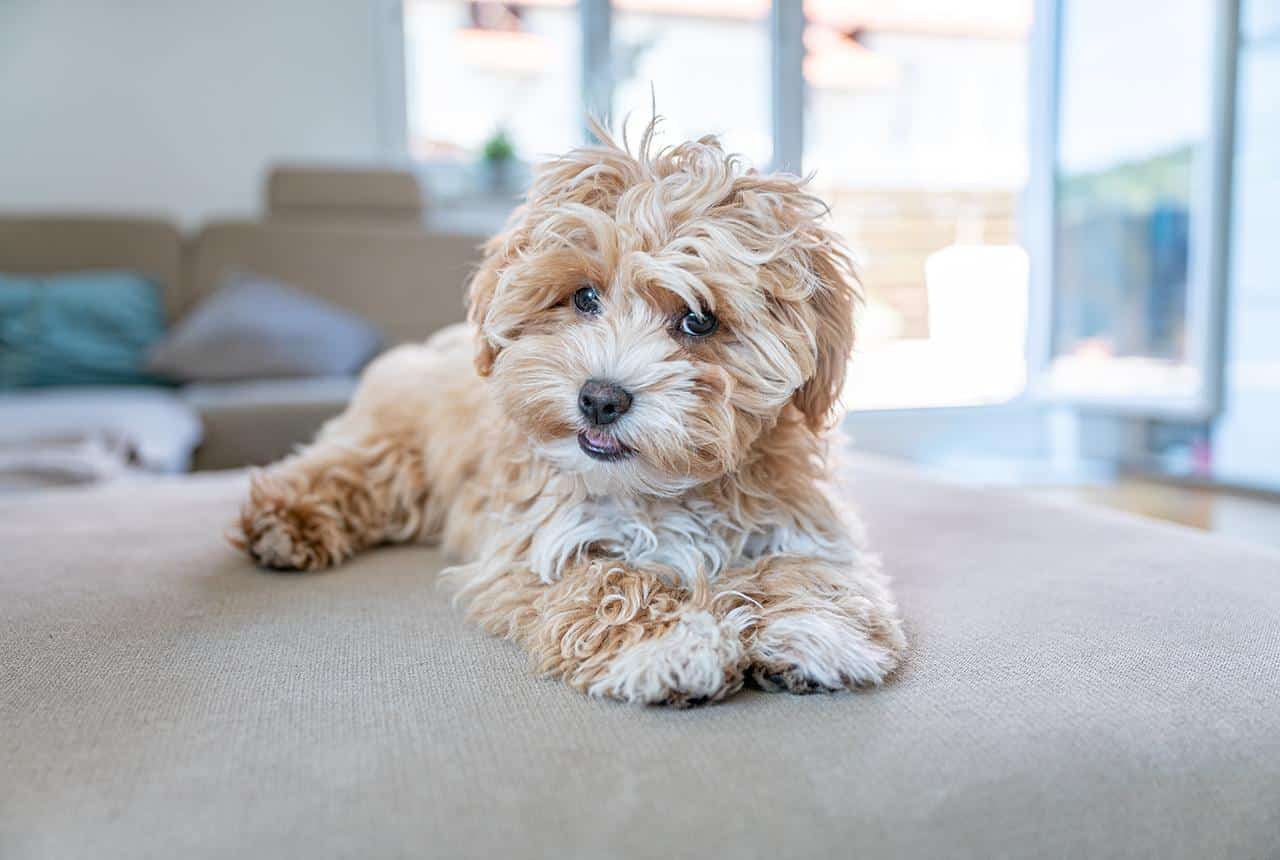
Most adult Maltipoos weigh between 5 and 20 pounds, depending on whether the Poodle parent was toy or miniature. Despite their small stature, they have a sturdy, well-balanced frame that enjoys brisk walks and lively games.
Coat
The coat is typically soft and wavy or curly, often producing less dander than straighter-haired breeds. Common colors include cream, apricot, silver, black, or a mix of shades.
Temperament
Maltipoos are affectionate, quick to learn, and eager to please. They usually get along well with children, other dogs, and even confident cats, thriving on interaction and gentle training.
Growing a Maltipoo
Breeding
If you plan to welcome a puppy, look for a caring breeder who health-tests the parents and raises litters in a home environment. Meeting the mother dog and observing the puppies’ play area can give insight into future temperament.
Feeding
A nutrient-rich diet formulated for small-breed puppies supports steady growth. Offer measured meals at scheduled times, adjusting portions as your veterinarian recommends to maintain a healthy weight.
Exercise

Two brisk walks and several short play sessions each day keep a Maltipoo physically fit and mentally stimulated. Puzzle toys and gentle fetch games indoors work well on rainy days.
Socialization
Introduce your puppy to new sights, sounds, people, and friendly animals during the first few months. Positive experiences build confidence and help prevent shyness or excessive barking later on.
Caring for Your Maltipoo
Grooming
Brush the coat three to four times a week to prevent tangles, and schedule professional trims every six to eight weeks. Clean the corners of the eyes and check ears regularly for wax buildup.
Health
Schedule annual vet visits, keep vaccinations up to date, and discuss dental care—small breeds can be prone to tooth issues. A consistent routine of parasite prevention and a balanced diet go a long way toward a long, healthy life.
Training
Use upbeat praise and tiny treats to teach basic cues such as “sit,” “stay,” and “come.” Short, fun sessions repeated throughout the day work better than one long drill, and patience ensures lessons stick without stress.
Conclusion
With their loving nature and manageable size, Maltipoos fit well into many lifestyles. Provide thoughtful socialization, daily exercise, regular grooming, and routine veterinary care, and you will enjoy the devoted companionship of a happy, healthy Maltipoo for years to come.
References
– General breed guides on small companion dogs
– Veterinary articles on canine nutrition and coat care
– Reputable sources for puppy socialization and training tips
– Trusted pet health websites for ongoing care advice