




Australian Shepherd Adoption Guide: What to Know Before Bringing One Home
Introduction
The Australian Shepherd is celebrated for its sharp mind, adaptability, and devoted nature, making it a favorite among active families and ranchers alike. If you are thinking about welcoming this breed into your life, the following overview will help you understand its needs and find a responsible source for your new companion.
The Australian Shepherd: A Brief History
Despite its name, the Australian Shepherd was refined in the western United States during the late 1800s. Ranchers wanted an agile, weather-resistant herding partner capable of covering vast, rugged acreage. The breed’s nickname came from the imported sheepdogs that contributed to its foundation stock, but the dog we know today was truly shaped on American soil.
Characteristics of the Australian Shepherd
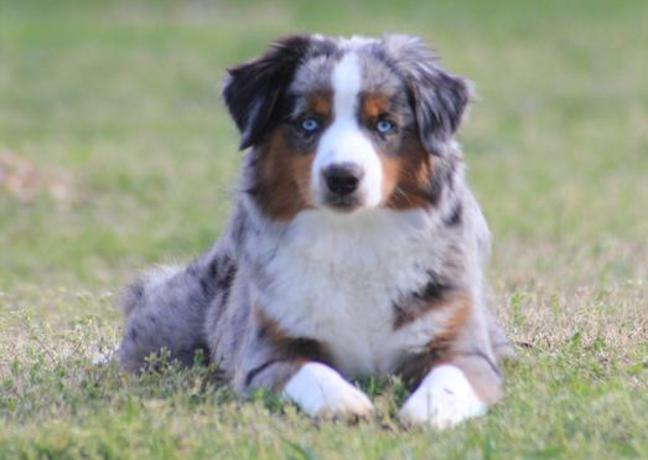
The Australian Shepherd is a medium-sized, athletic dog wrapped in a striking double coat. Below are the traits most owners notice first:
Appearance
– Size: Adults usually weigh 40–65 lb and stand 18–23 inches at the shoulder.
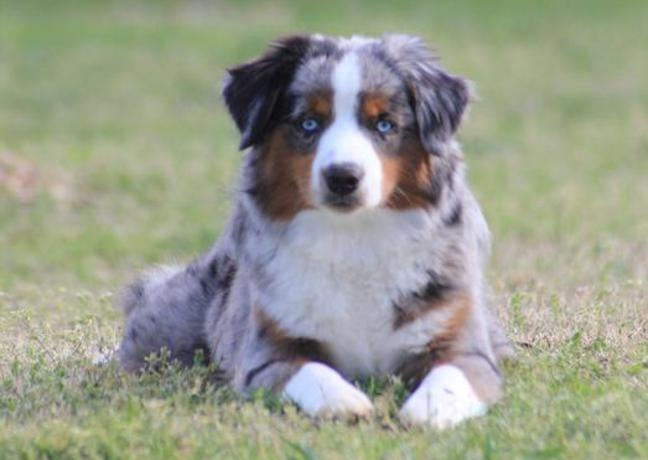
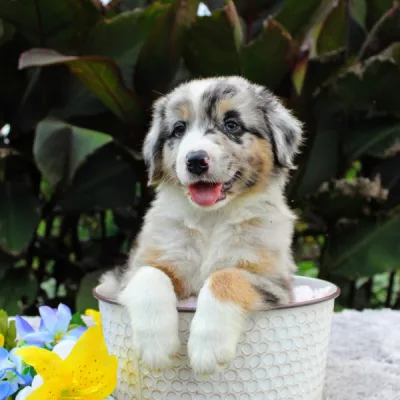
– Coat: The medium-length, water-resistant coat appears in black, red, blue merle, or red merle, often trimmed with white and tan markings.
– Eyes: Eyes may be brown, amber, blue, or even marbled, and many dogs have heterochromia—two different-colored eyes.
Temperament
– Intelligence: Quick learners who thrive on mental challenges such as agility, scent work, or advanced obedience.
– Energy Level: High-drive dogs that need brisk daily exercise plus brain games to prevent boredom.
– Loyalty: They form tight bonds with their people and prefer to be included in every household activity.
Health
– Common Health Issues: Like many purebreds, they can inherit hip dysplasia, certain eye disorders, and epilepsy. Request proof of health testing before committing to a puppy or adult dog.
Finding an Australian Shepherd
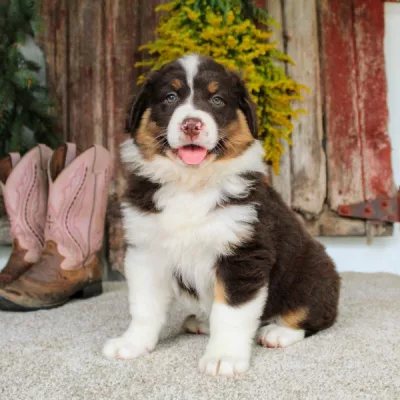
Whether you hope to adopt or purchase, consider these avenues:
Reputable Breeders
A responsible breeder prioritizes temperament and health over color or size. Arrange to meet the mother (and father, if on site), review veterinary records, and ask about socialization practices. Good breeders remain a lifelong resource and will gladly take a dog back if circumstances change.
Rescue Organizations
Breed-specific rescues frequently have adolescents or adults in need of new homes. These dogs are often house-trained, vaccinated, and evaluated for temperament, making adoption a rewarding shortcut to companionship.
Online Platforms
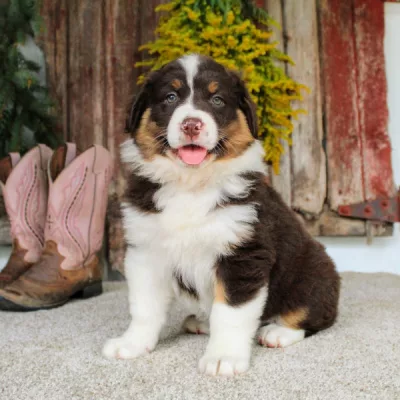
Websites list available dogs nationwide, but verify each listing carefully. Insist on a video call, request recent photos, and never send money before meeting the dog in person or via a trusted transport service.
Conclusion
An Australian Shepherd can be an outstanding partner for hikers, competitors, or families who enjoy an active lifestyle. Take time to locate a source that emphasizes health, socialization, and post-adoption support, and you will gain a loyal friend for years of adventure.
Future Research
Continued study of the breed could explore:
– Genetic Research: Mapping genes linked to hereditary conditions to reduce their prevalence.
– Behavioral Studies: Observing how environment and training shape working versus companion roles.
– Breeder Education: Creating mentorship programs that teach best practices in early puppy development and transparent record-keeping.
By supporting responsible breeding and informed ownership, we help ensure that future generations of Australian Shepherds remain healthy, happy, and deeply connected to the people who love them.