


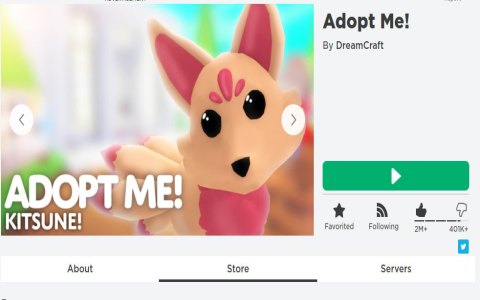

Virtual Pet Communities: A Comprehensive Overview
Introduction
Virtual pet communities have become a favorite online playground where players design, raise, and trade digital companions. These colorful worlds attract both kids and grown-ups by blending creativity, social chat, and light role-play. This overview explores who uses these spaces, what they gain, and what to watch out for, drawing on general observations and expert commentary to highlight their place in today’s connected landscape.
The Concept of Virtual Pet Communities
At their core, these platforms let participants hatch or adopt a pixel pet, name it, dress it, build a home, and stroll through themed neighborhoods. Mini-games, seasonal festivals, and item trading keep the experience fresh, while simple chat tools encourage friendly banter. The result is a relaxed, toy-box atmosphere that feels welcoming to a wide age range.
Age Demographics

Although the setting looks child-friendly, the audience is surprisingly mixed. Casual surveys suggest the largest group falls between early elementary and middle-school years, yet a noticeable slice of teens and young adults also log in regularly, often to collect rare items or simply unwind after class or work.
Benefits of Participation
Joining a virtual pet circle can nurture social confidence. Players practice greeting strangers, negotiating trades, and cooperating on building projects—soft skills that translate to real life. Because the environment is moderated and cartoonish, newcomers can test conversations without the pressures found on open social networks.
Additionally, caring for a digital creature sparks responsibility: pets need feeding, playtime, and rest, mirroring real-world routines in a low-stakes way. Creative tools for decorating dens or designing outfits also invite storytelling and artistic experimentation.
Drawbacks to Consider
Like any online pastime, these worlds can encourage overuse. Extended screen sessions may edge out homework, exercise, or face-to-face family time if boundaries are not set. Some players may feel pressure to acquire limited-edition accessories, leading to frustration or risky third-party trading outside official channels.
Bullying, though limited by filters and moderators, can still appear in subtle forms—excluding someone from a group house, mocking an outfit, or pressuring a peer for free items. Parents and guardians are wise to check in occasionally, keeping dialogue open about respectful behavior online.
Wider Influence on Digital Culture
Beyond individual amusement, these pet-centric games illustrate how gamified spaces shape modern leisure. They normalize friendly avatars, foster global friendships, and showcase user-generated creativity. Developers often borrow the same loop—collect, customize, celebrate—to make educational apps more engaging, hinting at a future where learning and play overlap seamlessly.
Conclusion
Virtual pet communities deliver lighthearted fun alongside chances to socialize, create, and learn gentle responsibility. Balanced use can enrich downtime, yet mindful limits remain important to prevent excessive play or mild peer conflicts. By guiding rather than banning, families can help young explorers enjoy the colorful perks while building healthy digital habits.
Recommendations and Future Research
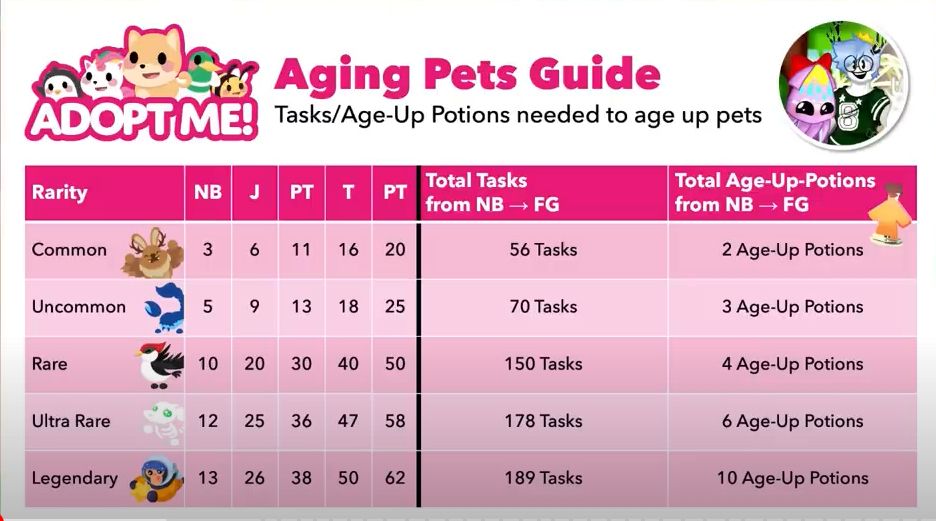
To keep the experience positive, consider the following steps:
1. Encourage built-in safety tools: activate account restrictions, friend approvals, and chat filters provided by the platform.
2. Schedule joint check-ins: set screen-time windows together and invite kids to showcase their newest pet tricks or house designs, turning play into conversation.
3. Support further study: researchers could track how cooperative pet care affects empathy over time, or test whether in-game budgeting of coins improves real-world money skills. Continued exploration will refine best practices for developers, parents, and educators alike.