



The Impact of Community Cat Rescue on Feline Welfare
Introduction
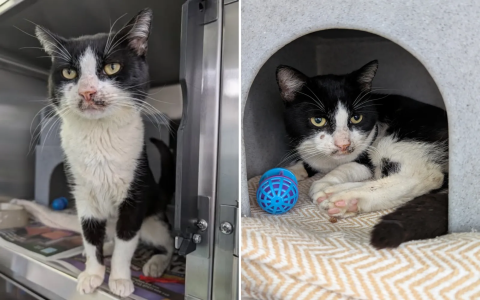
Animal welfare has become a growing concern across communities, prompting numerous groups to take action for creatures great and small. Among these efforts, a dedicated cat rescue program has emerged in a major city, focusing on the rescue, rehabilitation, and rehoming of stray and abandoned cats. This article examines how such a program shapes feline welfare, outlining its daily operations, hurdles, and wider lessons for animal care nationwide.
The Mission and Operations of the Rescue Program
Mission Statement
The program was founded to offer every vulnerable cat a second chance. Its guiding vision is to lower the number of homeless cats by encouraging responsible guardianship and building a reliable support network for animals in need.
Rescue and Care
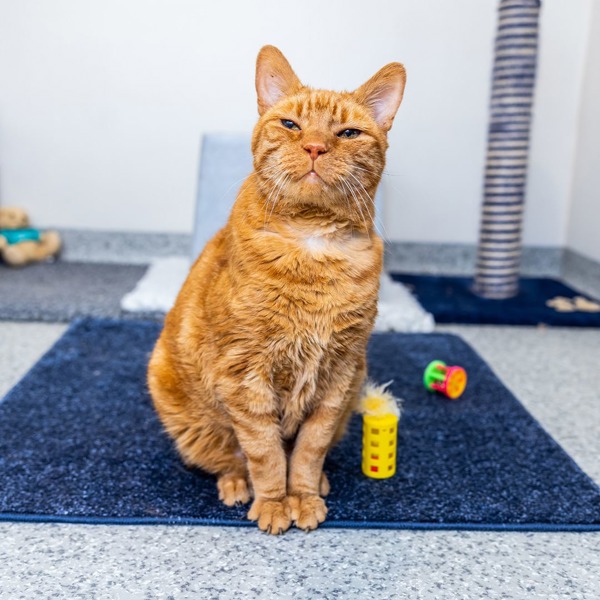
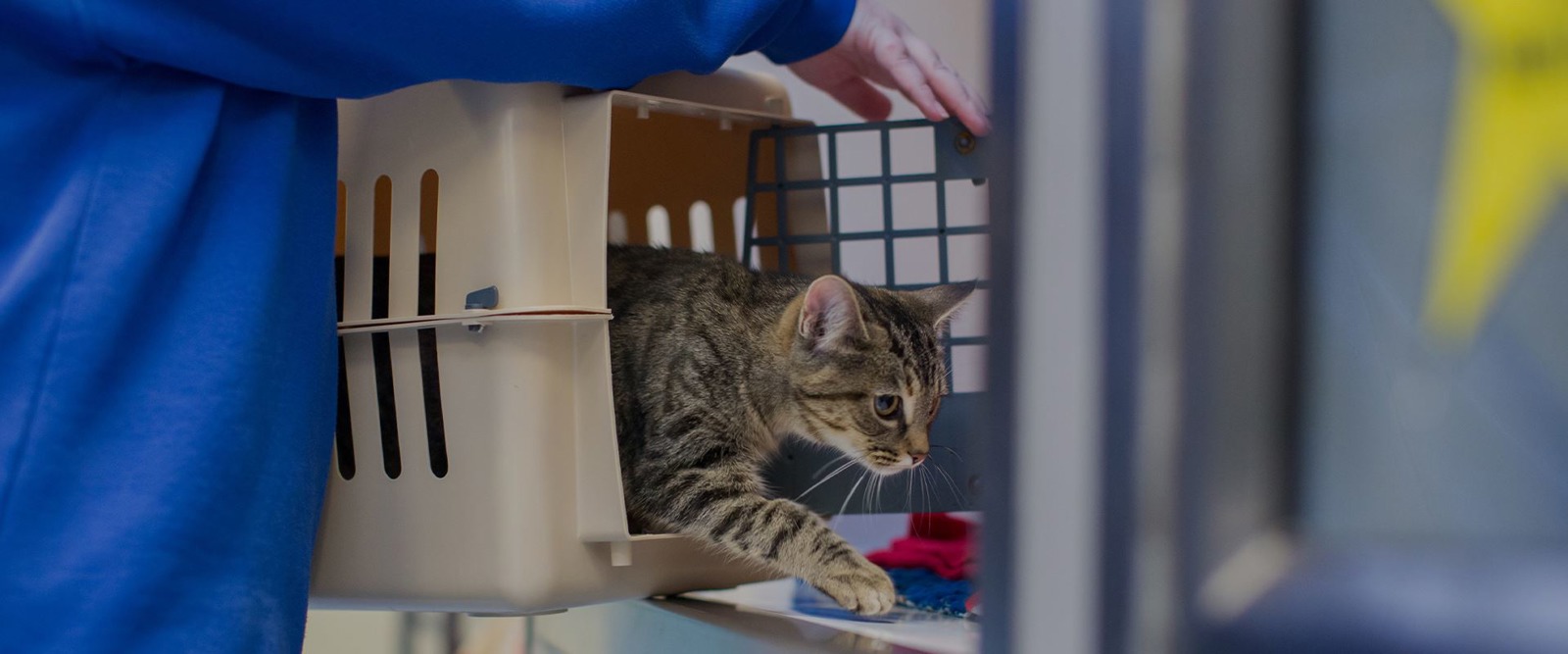
Volunteers respond to calls about cats living on the streets, surrendered pets, and referrals from local agencies. Each incoming cat receives a health check, vaccinations, sterilisation, and any necessary medical treatment before moving to temporary foster homes or the group’s shelter.
The Impact on Feline Welfare
Improved Health and Well-being
Consistent veterinary attention transforms frightened strays into healthy companions. Regular check-ups, balanced diets, and enrichment activities extend life expectancy and restore trust in humans, giving the cats a fresh start.
Rehoming Success Stories
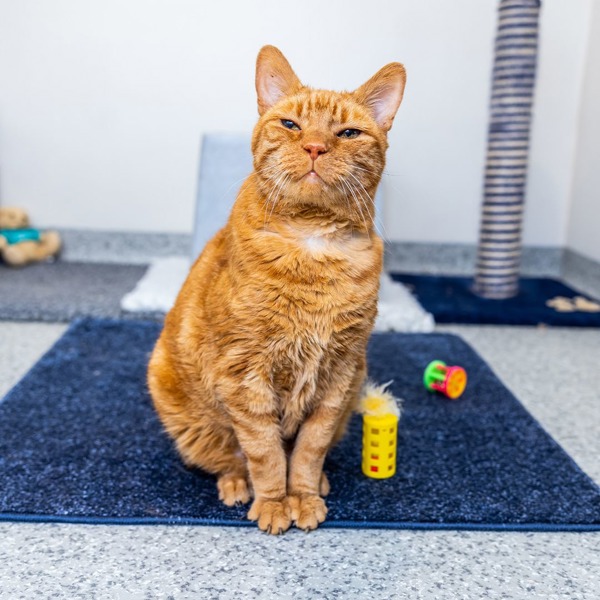
Careful matchmaking between adopters and cats has led to hundreds of permanent placements. Success is measured not only by adoption numbers but also by follow-up calls that confirm the animals are thriving in their new households.
Education and Advocacy
Beyond direct care, the team hosts school talks, social media Q&As, and neighbourhood clinics that stress the value of sterilisation, microchipping, and lifelong commitment. These outreach efforts gradually shift attitudes from indifference to informed compassion.
Challenges and Solutions
Funding and Resources
Like many charities, the program relies on donations, grant applications, and creative events such as virtual auctions and sponsored walks. Transparent reporting and heartfelt stories keep supporters engaged and willing to contribute.
Public Perception
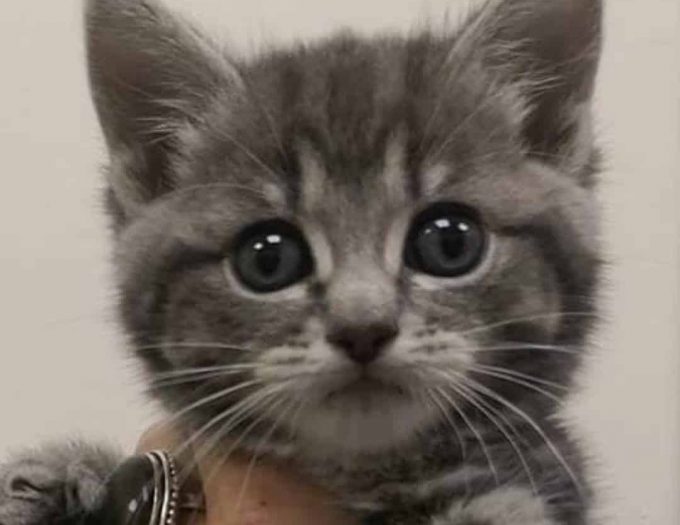
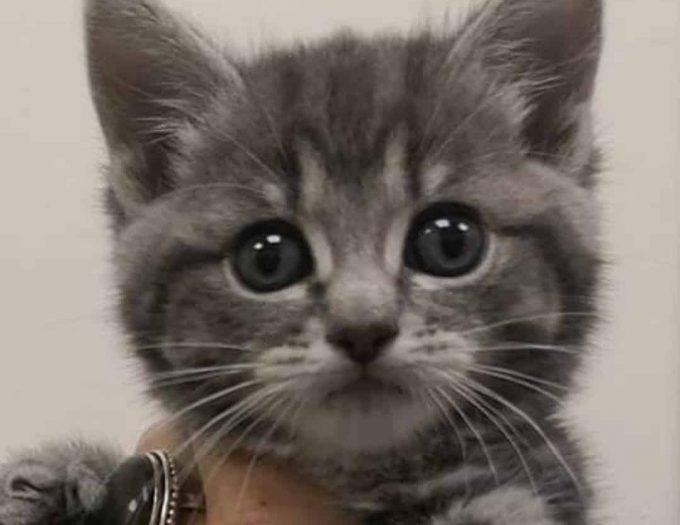
Some residents still view free-roaming cats as nuisances. To counter this, the rescue shares before-and-after photos and personality profiles that highlight each cat’s unique charm, turning wariness into willingness to help.
Broader Implications for Animal Welfare
Model for Other Organizations
The streamlined intake process, volunteer training manuals, and post-adoption support have been shared with neighbouring towns, inspiring similar projects and amplifying the impact well beyond city limits.
Policy Change
Data collected on intake numbers, medical costs, and adoption rates feed into policy discussions, encouraging decision-makers to strengthen identification laws and increase funding for large-scale sterilisation campaigns.
Conclusion
The program’s steady commitment has improved countless lives, proving that coordinated community action can reverse the cycle of abandonment and neglect. Its ripple effects continue to shape a culture where every cat is valued.
Recommendations and Future Research
To deepen its influence, the rescue could:
1. Forge more corporate partnerships to secure steady supplies of food, litter, and veterinary services.
2. Launch interactive online modules that teach children basic feline needs, cultivating empathy from an early age.
3. Collaborate with policymakers to draft clearer welfare standards and swicter penalties for abandonment.
Future studies might track rehomed cats for five years to measure retention, assess the cost-effectiveness of foster versus shelter models, and evaluate how education campaigns alter owner behaviour over time.
In closing, this community initiative illustrates how compassion, paired with practical strategy, can transform animal welfare and inspire lasting change across society.