




Will a Male Cat Harm a Kitten: Understanding Feline Aggression and Behavior
Introduction
Many cat lovers worry about how an adult male cat might react to a tiny newcomer. This article explores why some toms act aggressively toward kittens, what science tells us, and practical steps to keep every feline safe under the same roof.
Factors That Can Trigger Aggression
1. Territorial Instincts
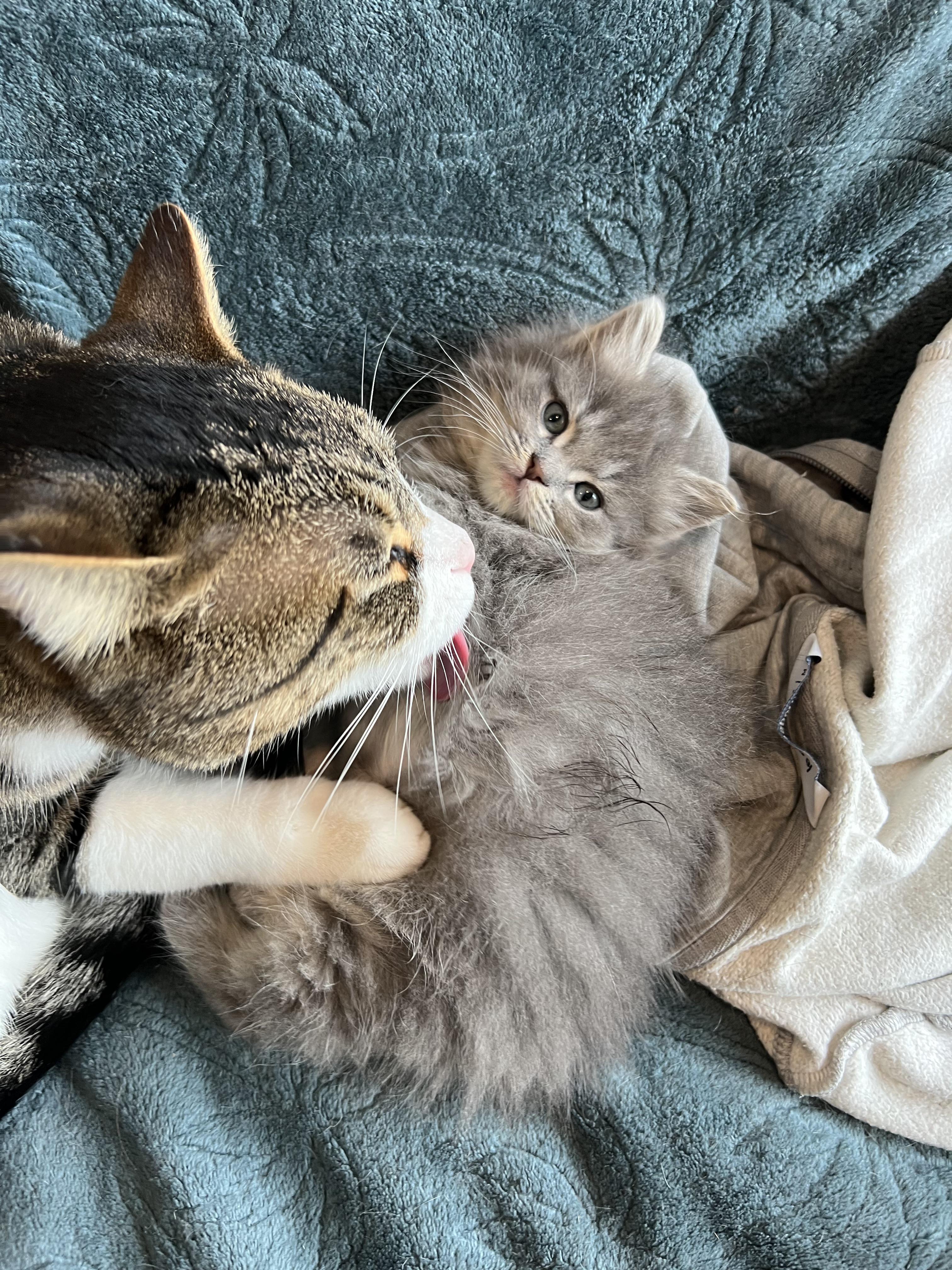
Cats of either sex can be fiercely possessive of their space, but un-neutered males often feel the urge more strongly. A bouncing kitten may be seen as an intruder, prompting hissing, swatting, or worse.
2. Social Rank
In multi-cat homes, each animal jockeys for position. A confident adult may decide the newcomer needs a lesson in hierarchy, especially if resources such as food or favorite napping spots seem scarce.
3. Limited Early Experience
Cats that meet few other animals while young sometimes grow up wary or defensive. Without positive kitten encounters in their own youth, adult males may default to suspicion rather than curiosity.
What Research Suggests
1. Benefits of Neutering
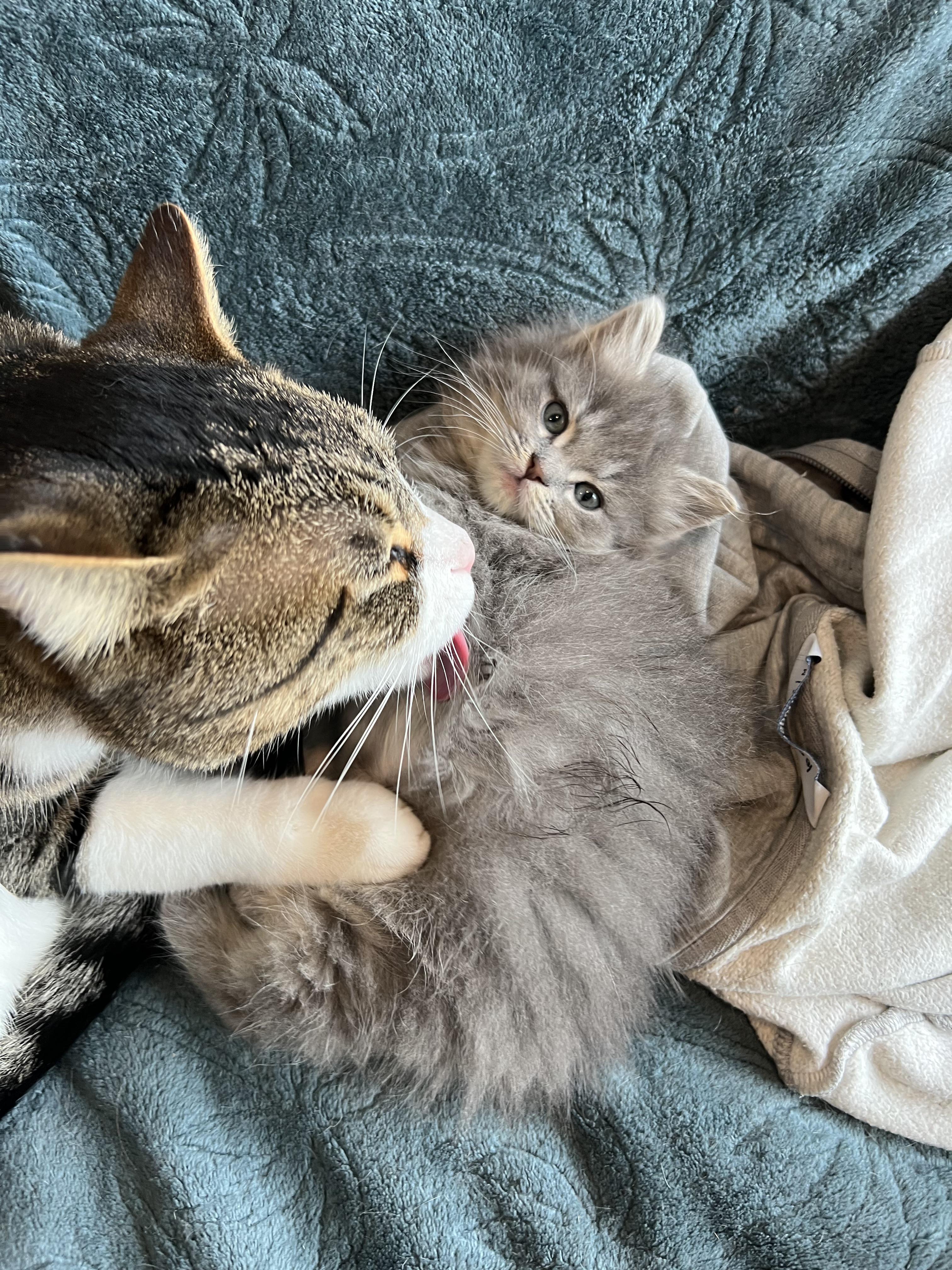
Veterinary studies consistently show that castration lowers hormone-driven aggression. A neutered male is far less likely to view a kitten as either rival or prey.
2. Value of Socialization
Gradual, reward-based introductions during the sensitive period of two to nine weeks can produce more relaxed adults. Even older cats can learn tolerance when sessions are short, calm, and paired with treats.
Practical Ways to Keep Peace
1. Schedule the Snip
Arrange neutering before sexual maturity, typically around four to six months, to curb roaming, spraying, and rough reactions to newcomers.

2. Take Introductions Slowly
Start with scent swapping, then short visual meetings through a baby gate. Increase shared time only when both parties remain relaxed, and always provide an escape route.
3. Duplicate Resources
Offer multiple feeding stations, water bowls, litter trays, and resting places so neither cat needs to compete.
4. Reward Calm Behavior
Whenever the adult stays relaxed near the kitten, offer praise, play, or a favorite snack. Consistency teaches him that good things happen when the little one is around.

Conclusion
Although serious attacks are rare, cautious management prevents most problems. Neutering, patient introductions, plentiful resources, and positive reinforcement create the best odds for a peaceful, lifelong friendship between an adult male and a playful new kitten.