




The Impact of Pet-Recovery Apps: A Comprehensive Overview
Introduction
Losing a companion animal can be deeply distressing. Each year, countless pets wander away from home, prompting an urgent need for reliable tools that bring them back safely. Smartphone applications built for lost-pet alerts have stepped into this gap, offering owners a faster way to spread the word and coordinate searches. This overview examines how these platforms work, the emotional relief they provide, and the obstacles they must overcome to remain helpful.
The Concept of Pet-Recovery Apps
What Is a Pet-Recovery App?
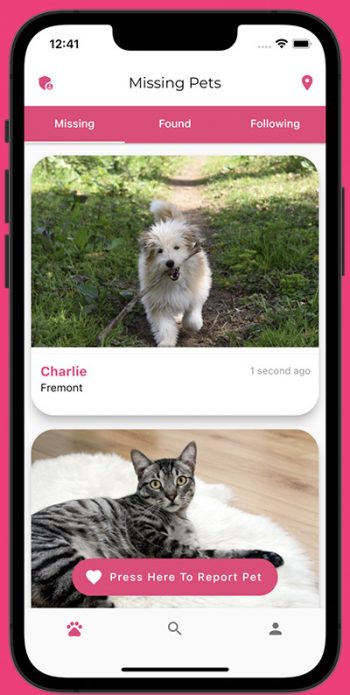
A pet-recovery app is a mobile program that lets owners post notices about missing animals, browse found-pet listings, and communicate with local helpers. Core tools usually include profile creation, image sharing, map-based hints, and crowd-sourced alerts.

Key Features
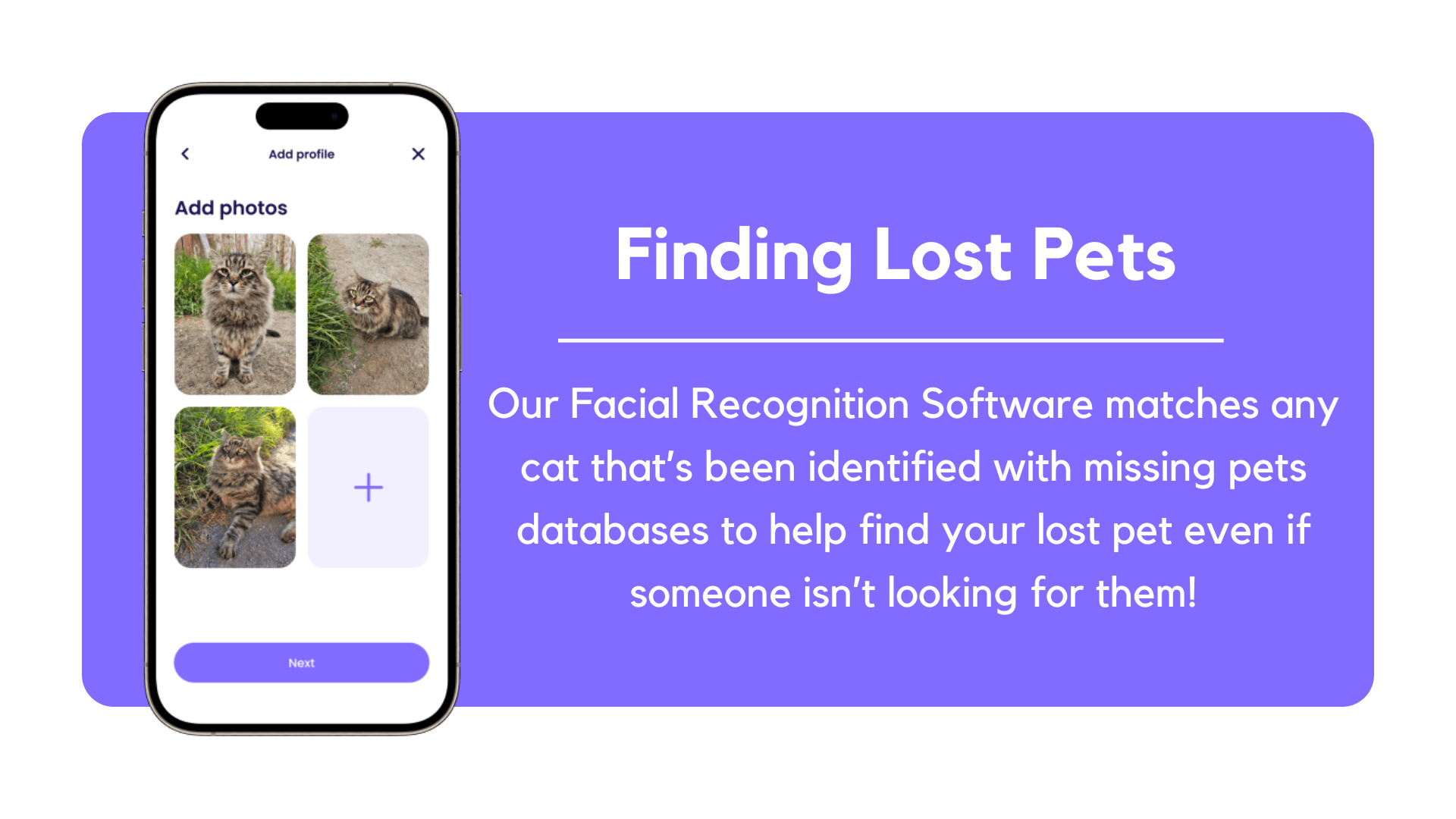
– Profile Creation: Owners can build a quick profile noting species, coat color, size, and any unique markings.
– Photo Sharing: Clear pictures can be uploaded in seconds to speed up recognition.
– Map Hints: Some services let users drop pins where an animal was last seen, narrowing the search area.
– Community Alerts: Posts can be pushed to nearby households, veterinarians, and volunteer groups.
– Shelter Links: Built-in directories connect searchers with local rescues and clinics that might have incoming strays.

The Impact on Owners
Easing Emotional Strain
Instant access to a support network reduces the helplessness many feel when a pet disappears. Step-by-step checklists and ready-made flyers turn panic into action.
Raising Reunion Odds
Because information travels faster online than on telephone poles, animals listed through these apps are returned more quickly and in greater numbers than those publicized only by traditional signs.
Strengthening Neighborhood Ties
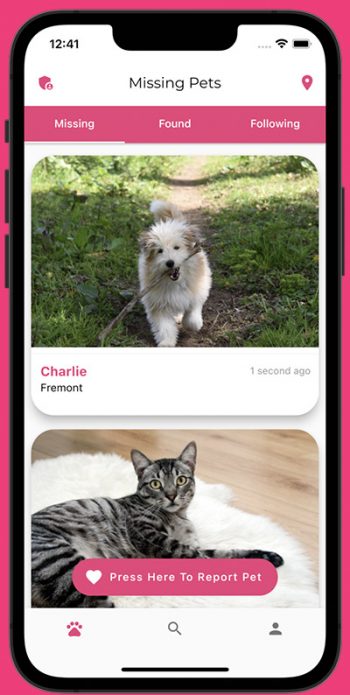
Regular alerts remind residents to keep an eye out, fostering a culture of mutual aid that benefits all local pets, not just the ones who are lost.
Effectiveness
Success Stories
From timid cats trapped in garages to adventurous dogs exploring parks, many families have credited these platforms for happy endings achieved within hours instead of days.
Comparisons with Older Methods
Side-by-side reviews show that digital notices reach a wider audience in less time than paper flyers, cutting average search duration significantly.
Challenges and Limitations
Privacy Worries
Some users hesitate to share home addresses or daily walking routes, fearing misuse of the data.
Technical Hurdles
Weak signals, battery drain, or outdated map data can delay alerts or place markers inaccurately.
Sustained Participation

An app is only as strong as its user base; if neighbors rarely open it, sightings go unreported and the network effect fades.
Conclusion
Pet-recovery apps have become a practical safety net for modern owners, turning heartbreak into hopeful action. By easing stress, widening the search radius, and knitting communities closer, they demonstrate how small screens can deliver big relief. Continued refinement of privacy controls, technical reliability, and daily engagement will determine how much more effective these tools can become.
Recommendations and Future Directions
To keep momentum growing, developers and communities might consider the following:
1. Strengthen Privacy Options: Offer anonymous posting and adjustable location radiuses so users feel safe while sharing.

2. Boost Technical Reliability: Optimize battery use, offline caching, and map accuracy so alerts work even in spotty-coverage zones.
3. Encourage Regular Use: Gamify good deeds—badge systems for verified sightings or shares can turn occasional helpers into daily watchdogs.
Areas worth further exploration include:
1. Cross-Platform Studies: Measure which design choices—photo size, alert range, language tone—yield the fastest reunions.
2. User-Journey Feedback: Track how owners interact with each feature to remove friction points during high-stress moments.
3. Smart-Device Integration: Test automatic alerts from Bluetooth tags or door sensors that notify the app if a pet leaves a safe zone.
By acting on these suggestions and supporting ongoing research, communities can ensure that pet-recovery apps remain a trusted lifeline for every worried owner and a powerful example of technology in service of compassion.