



The Impact of a Local Animal Rescue on Welfare and Community Engagement
Introduction
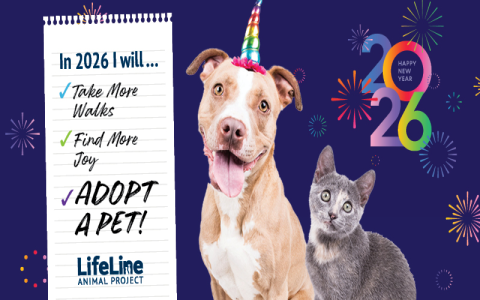
A community-focused animal rescue in a quiet Georgia town has become a symbol of second chances for countless dogs and cats. Operating entirely through donations and volunteers, this non-profit shelters, heals, and rehomes animals who have nowhere else to turn. The following overview examines how the group improves welfare standards and draws residents together, illustrating everyday operations, measurable gains, and plans for tomorrow.
The Role of the Rescue
Rescuing and Rehabilitation
Team members respond to calls from overcrowded shelters, urgent abandonment cases, and neglect situations. Each newcomer is examined by a veterinarian, vaccinated, spayed or neutered, and placed in a calm foster home where behavioral quirks are gently reshaped into adoptable manners.
Community Engagement
Weekend adoption fairs, school talks, and low-cost microchip clinics keep the mission visible. By handing out care leaflets and answering questions on the spot, volunteers normalize adoption, routine vet care, and lifelong commitment to pets.
The Impact on Animal Welfare
Reducing Animal Homelessness
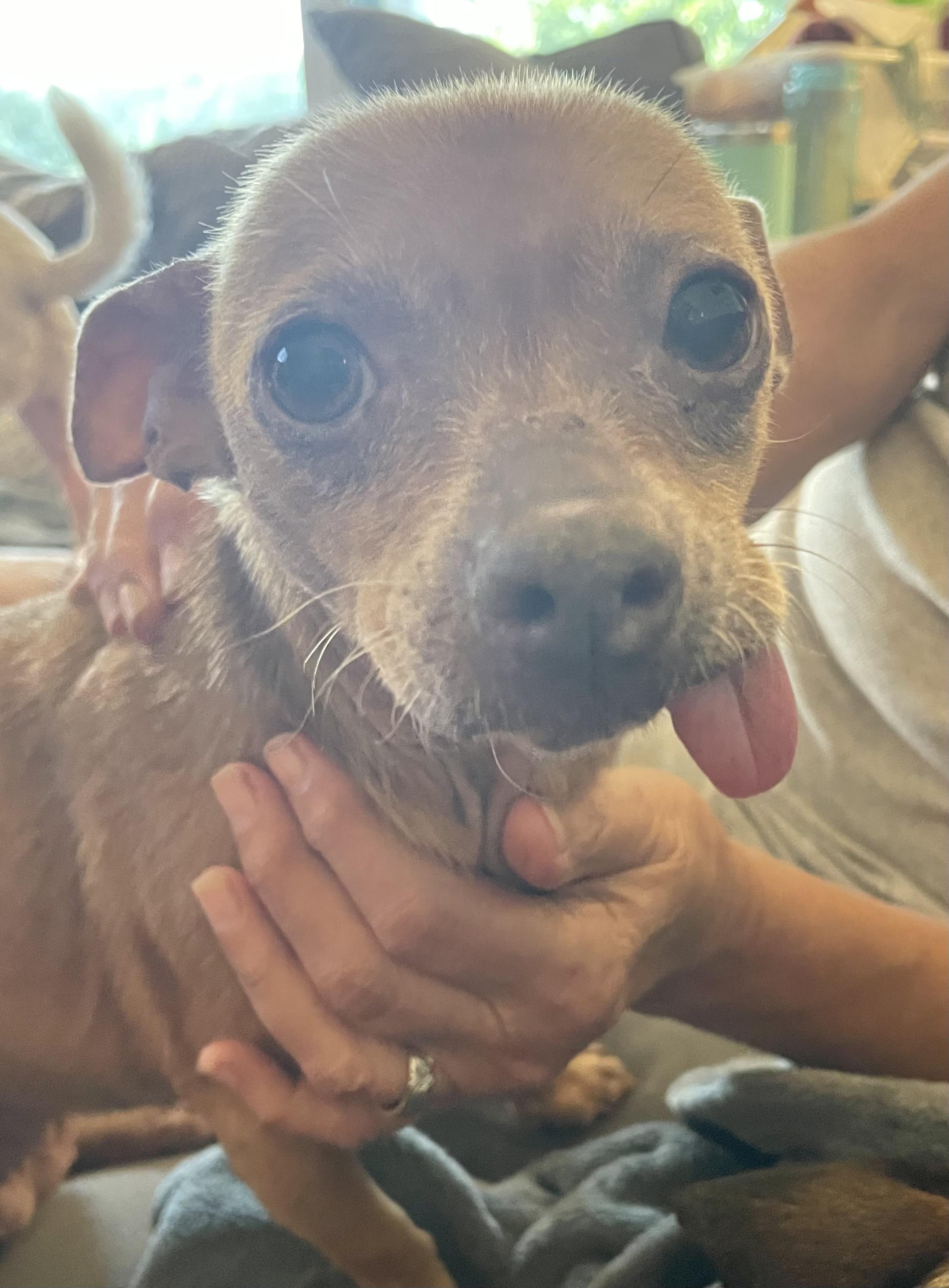
Every successful adoption frees up shelter space and lowers euthanasia rates region-wide. Over time, the steady flow of animals from streets and cages into permanent homes eases pressure on municipal resources and improves overall quality of life for the animals themselves.
Improving Animal Health and Well-being
Medical protocols include full health checks, parasite control, and follow-up boosters. Healthier pets mean fewer contagious diseases circulating in neighborhoods and lower future veterinary costs for new families.
Behavioral Rehabilitation
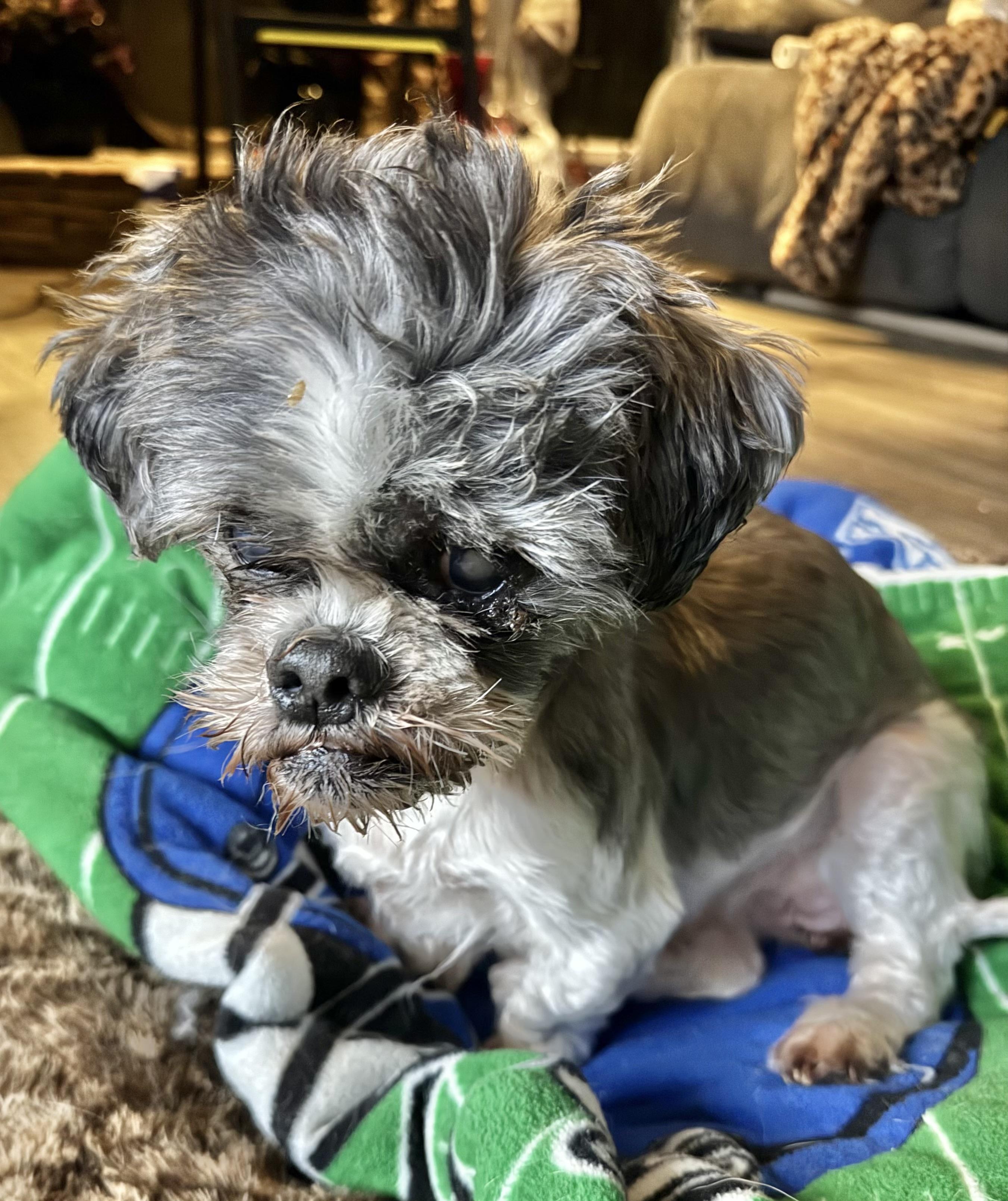
Foster caregivers use positive reinforcement to rebuild trust in shy or frightened animals. Gradual exposure to everyday sounds, people, and other pets raises adoption success rates and reduces returns.
The Impact on Community Engagement
Building Awareness
Colorful flyers in cafés, library bulletin boards, and social media posts keep the conversation active. Residents learn the realities of pet overpopulation and the simple steps—adopt, spay, tag—that solve it.
Creating a Supportive Community
Volunteers swap stories online, celebrate each “gotcha day,” and organize supply drives. The shared goal of helping animals knits together people of all ages and backgrounds, strengthening neighborhood spirit.
Collaborating with Local Authorities
Monthly meetings with animal-control officers streamline transfer procedures and shape ordinances that reward responsible ownership, such as discounted licensing for adopted pets.
Success Stories
Case Study 1: From Neglect to Naptime
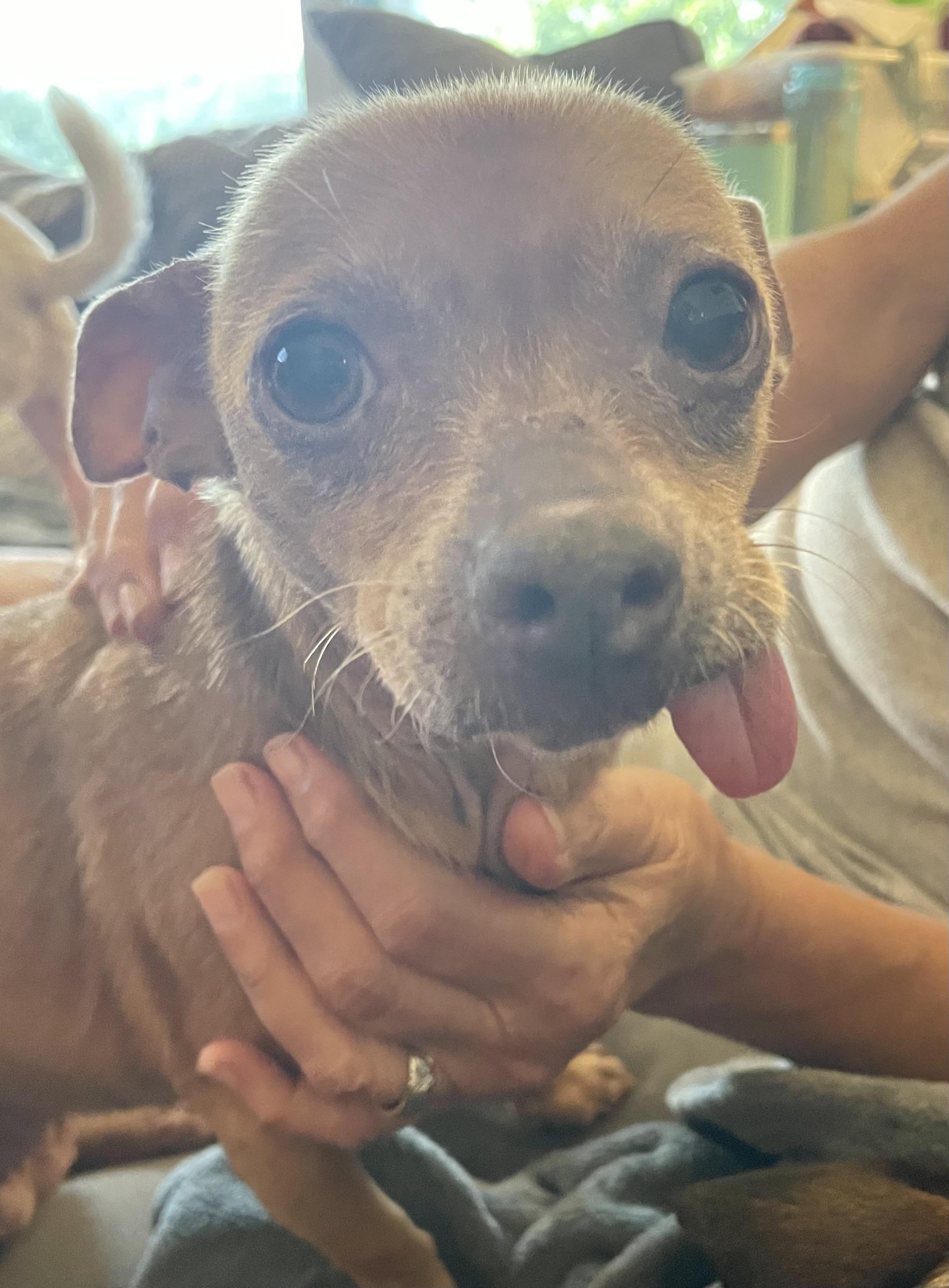
A timid hound arrived underweight and wary. Months of steady meals, gentle walks, and patient training turned him into a tail-wagging family favorite who now spends evenings curled up beside a child’s bed.
Case Study 2: A Cat’s Quiet Victory
Rescued from an unstable environment, a long-haired cat learned to accept human touch through quiet reading sessions in her foster home. She now supervises her adopter’s home office from a sunny windowsill.
Challenges and Future Prospects
Challenges
Rising medical costs, limited kennel space, and an endless stream of animals in need test the group’s capacity every week. Volunteer burnout and seasonal donation dips add extra strain.
Future Prospects
Plans include a small on-site clinic to lower vet bills, expanded youth education programs, and recurring donor circles that provide predictable monthly income. Grant writers are already drafting proposals to turn these ideas into reality.
Conclusion
Through rescue, rehabilitation, and outreach, the organization has brightened countless lives—both two-legged and four-legged. Continued community support promises even wider ripples of compassion across the region.
Recommendations and Future Research
To magnify its impact, the group could:
1. Partner with schools for regular humane-education classes that reach every grade level.
2. Launch a sustaining-donor campaign highlighting monthly giving options starting at the cost of a cup of coffee.
3. Track post-adoption outcomes through simple follow-up surveys to refine behavioral rehabilitation methods.
Future studies might explore how neighborhood adoption events influence local attitudes toward rescue pets and whether community-based welfare work correlates with reduced stray intake over multiple years. Such insights would help the group—and others like it—fine-tune programs and secure lasting change.