
Title: How Online Pet Classifieds Are Reshaping the Companion-Animal Market
Introduction:
The pet sector has expanded rapidly in recent years, and digital classified portals dedicated to re-homing and selling animals have been a key driver of this change. This article examines how such platforms influence adoption rates, commercial breeding, and broader consumer behavior, while also looking at likely next steps for the services themselves.
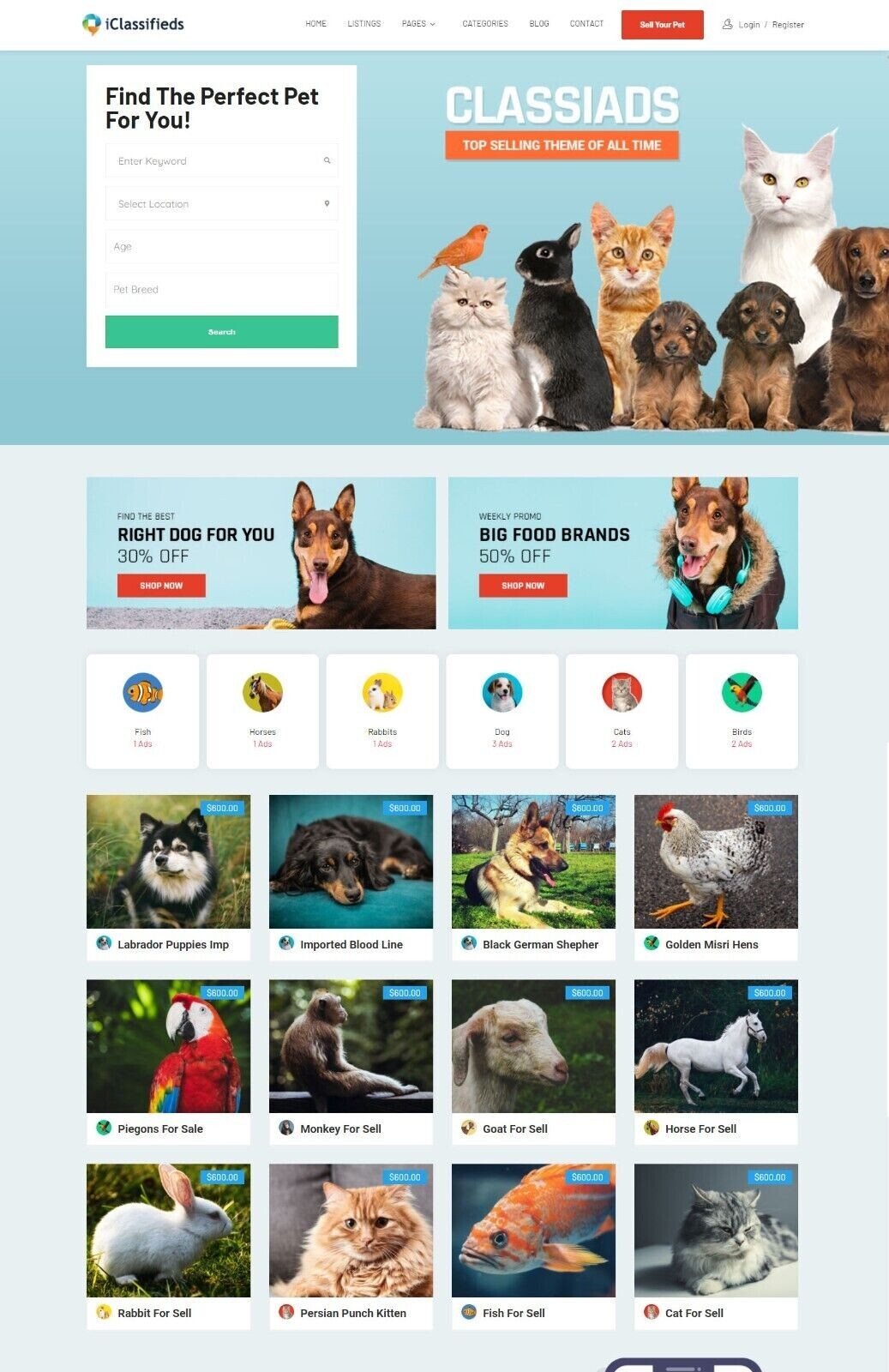
The Rise of Digital Pet Listings
Web-based bulletin boards that link prospective owners with breeders, shelters, and private caregivers have become a mainstream tool. Since the mid-2000s, these marketplaces have evolved from simple ad pages into full ecosystems that support animal adoption, sales of young animals, and the marketing of related supplies.
Boosting Adoption Numbers
One of the clearest benefits is the increase in successful adoptions. By giving rescue groups and foster caregivers free or low-cost exposure, the platforms shorten the average stay of animals in refuges and reduce operational strain on shelters. Industry surveys indicate that pets featured online are more likely to be placed in permanent homes than those relying solely on walk-in visitors.
Commercial Breeding and Market Expansion
On the sales side, transparent listings help ethical breeders reach a wider audience, stimulating demand for healthy, well-documented animals. The resulting turnover supports growth in ancillary sectors—veterinary services, specialty foods, insurance, and accessories—creating employment and encouraging product innovation.
Influencing Modern Pet-Ownership Habits
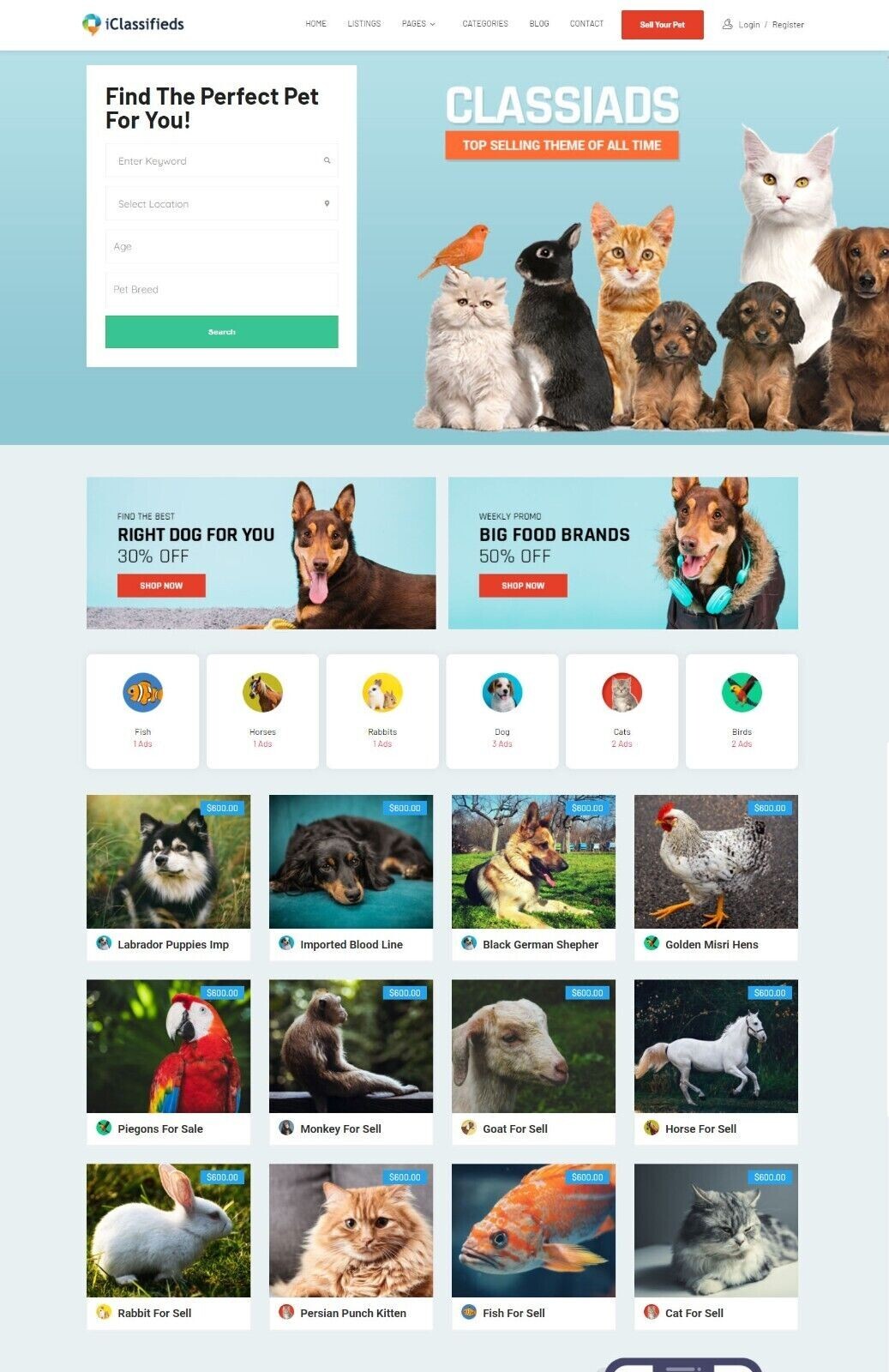
Easy search filters for size, temperament, and energy level empower future owners to choose companions that fit their lifestyles, which in turn raises overall satisfaction and lowers relinquishment rates. Many sites also embed educational articles on vaccination, nutrition, and training, nudging visitors toward responsible guardianship.
Challenges and Room for Innovation
Despite the upside, risks remain: impulse purchases, unclear health histories, and uneven enforcement of welfare standards can undermine trust. Leading portals counter these issues by requiring photo verification, medical check certificates, and user reviews. Looking ahead, features such as real-time video meetings, digital contracts, and escrow payments promise to make transactions safer and more transparent.
Moreover, integration with identity verification and reputation systems could further curb fraud, while mobile-first design and AI-driven recommendations will likely deepen user engagement.
What Lies Ahead
Demand for companion animals shows no sign of slowing, and classified services are poised to grow alongside it. Emerging tools—blockchain-based health records, tele-vet consultations, and algorithmic matching—should streamline ethical sourcing, improve traceability, and enhance the well-being of pets and owners alike.
Conclusion:
Online pet classifieds have become a central artery in the modern companion-animal economy, accelerating adoptions, supporting responsible breeders, and fostering informed ownership. By continuing to prioritize safety, transparency, and education, these platforms can help sustain a healthy, vibrant market that benefits people and pets for years to come.