


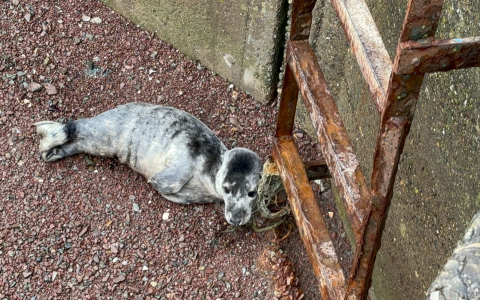

The Impact of Seal Pup Nurseries on Marine Conservation
Introduction
Ocean life depends on intricate relationships among countless species, and marine mammals such as seals are vital threads in that web. Young seals represent the next generation, so their survival shapes the future of coastal habitats. A temperate harbor city, whose shoreline mixes rocky outcrops with quiet coves, has become an important seasonal nursery for these pups. This article examines why protecting these youngsters matters, what dangers they confront, which safeguards exist, and how their fate is linked to wider stewardship of the sea.
The Significance of Seal Nurseries
Newborn seals arrive without insulating blubber and rely completely on maternal care for warmth and rich milk. Sheltered beaches offering gentle slopes, few predators, and plentiful fish give pups the best start. The city’s bays provide such conditions, yet pup counts have drifted downward in recent years, pressured by warming waters, contaminants, and increasing boat traffic.
Challenges Facing Young Seals
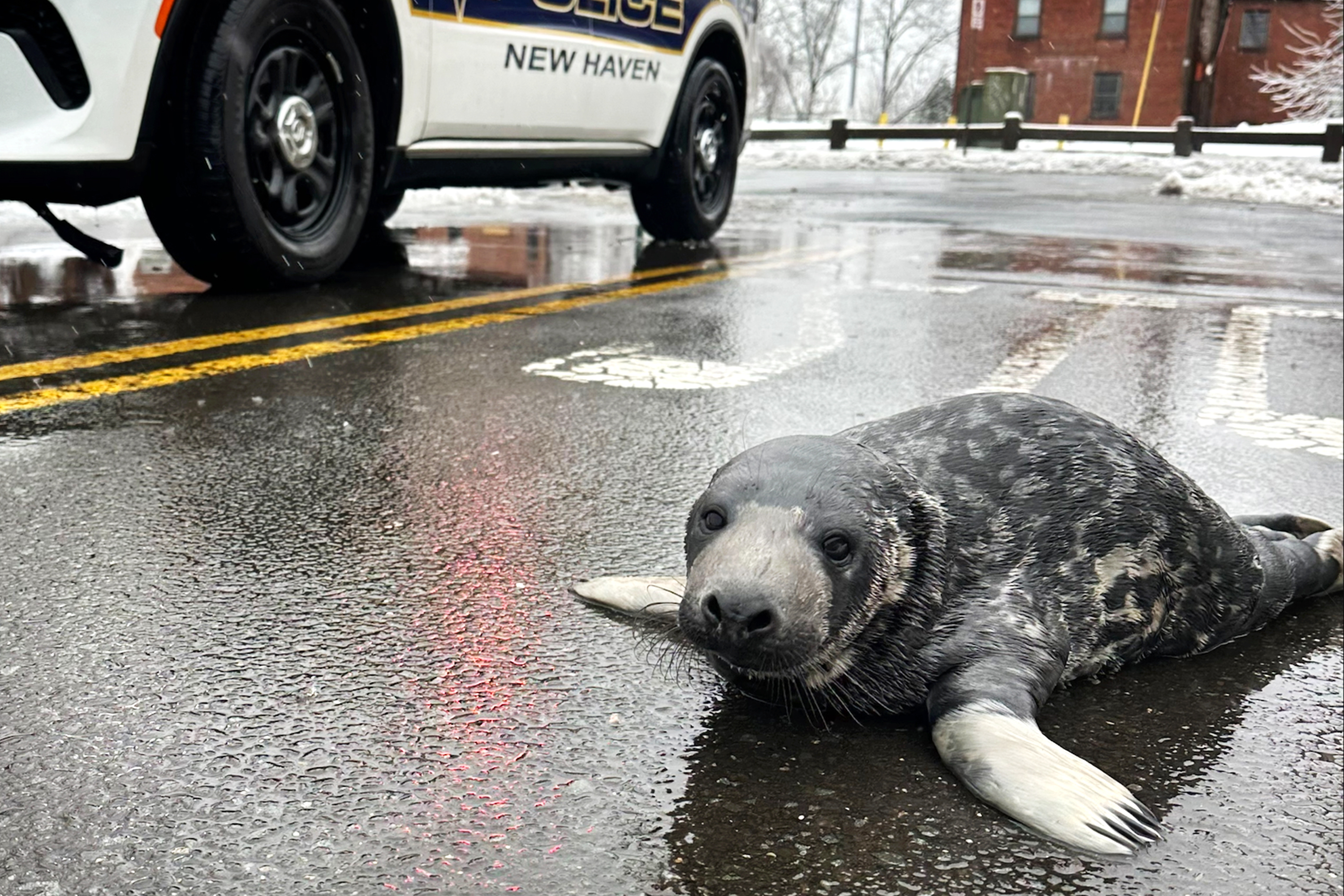
Climate shifts have raised surface temperatures and altered currents, scattering traditional prey. Pups now spend more energy hunting, grow more slowly, and face higher odds of separation from their mothers. Stronger winter storms also wash away resting platforms and can sweep the young out to sea before they are strong swimmers.
Pollution adds another layer of risk. Runoff carries oil traces, micro-plastics, and heavy metals that accumulate in fish and, later, in seal tissue. Such contaminants weaken immune systems and lower breeding success. Meanwhile, expanding recreation and fishing fleets increase the chance of disturbance or entanglement, forcing pups to waste precious calories fleeing busy channels.
Conservation Measures in Place
Authorities have designated portions of the coastline as quiet zones where boat speeds are limited and landing is restricted during the breeding season. These refuges give mothers space to nurse and pups time to build strength. Regular aerial and shoreline surveys track numbers, body condition, and weaning rates, allowing wildlife managers to adjust protections each season.
Outreach campaigns encourage anglers to recycle line, beachgoers to leash dogs, and kayakers to keep a respectful distance. Local schools adopt “seal-watch” days that pair field observations with lessons on ocean health, turning curious youngsters into citizen stewards.
The Role of Seal Nurseries in Marine Conservation
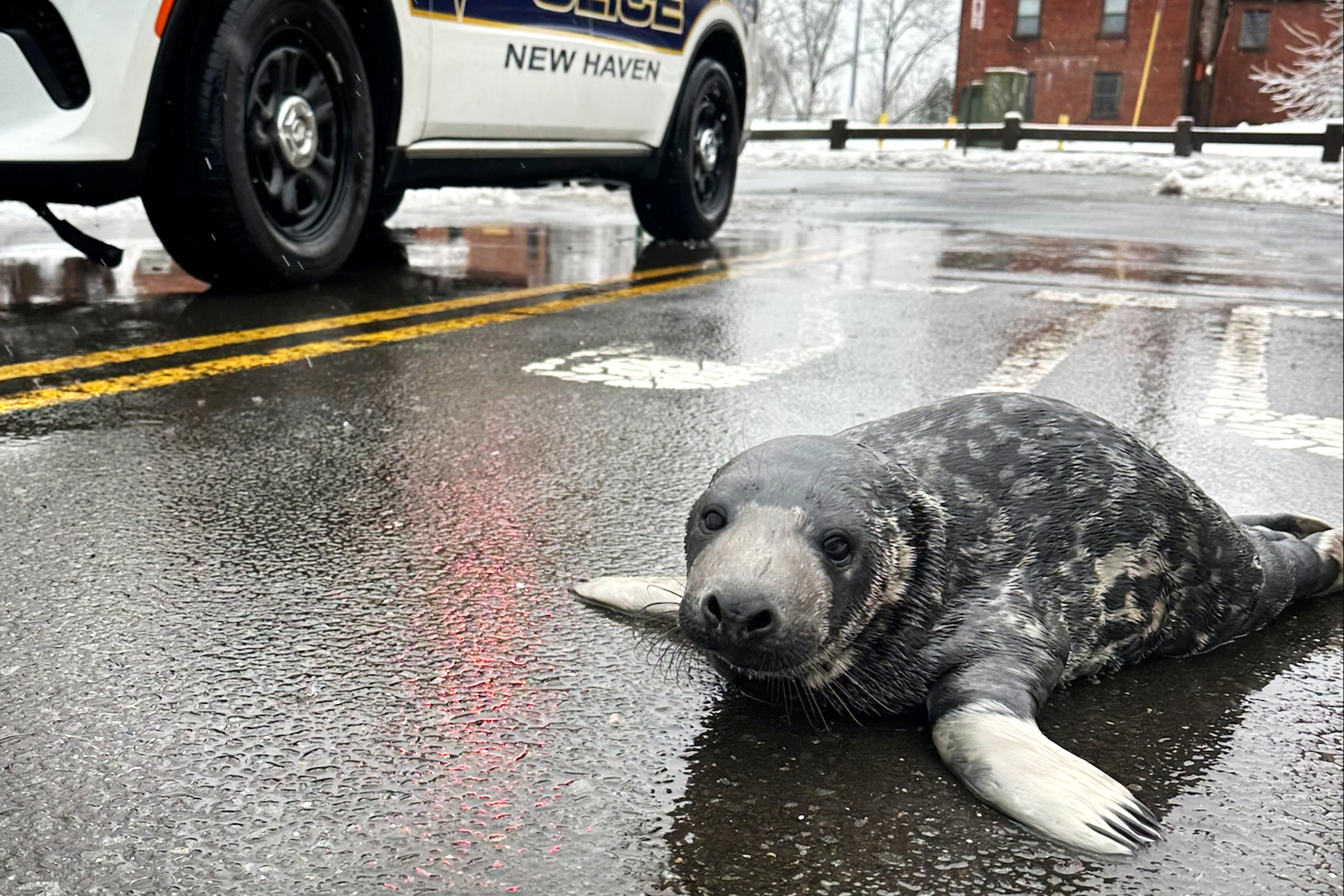
Because seals feed at multiple levels of the food web, their well-being mirrors the state of entire coastal systems. A thriving nursery signals balanced fish stocks, clean water, and intact habitat. When pups prosper, the benefits ripple outward: seabirds find ample prey, tourism grows sustainably, and communities gain a tangible reason to guard wetlands, dunes, and submerged grasses.
Future Directions
Next steps include expanding underwater listening stations that record both seal calls and vessel noise, helping managers pinpoint stress hotspots. Researchers also plan to tag a small sample of pups with lightweight trackers to learn where juveniles roam after weaning, knowledge that could uncover new areas worthy of protection.
Continued cooperation among scientists, fishers, port authorities, and residents will be essential. Simple habits—stowing trash, reducing plastic use, and reporting injured wildlife—multiply quickly when entire neighborhoods embrace them.
Conclusion
Protecting seal nurseries is more than a gesture toward a charismatic species; it is an investment in resilient coastlines and productive seas. By easing the pressures of pollution, disturbance, and climate change today, we give future generations of both seals and people a healthier ocean to share.
