




The Impact of Online Click-to-Donate Platforms on Modern Animal Welfare
Introduction
Online click-to-donate platforms have become a popular way for people to support animal welfare without spending money. By simply tapping a button, visitors generate ad revenue that sponsors use to fund food, medical care, and shelter for animals in need. This article explores how these effortless actions ripple outward—raising awareness, building community, and channeling resources to frontline rescue groups around the world.
Raising Awareness: The Power of the Click
Each daily click presents a new photo or short story—an injured swan, a litter of orphaned kittens, or an aging farm horse awaiting adoption. These bite-sized glimpses into real-life situations turn casual browsers into informed advocates who are more likely to adopt, volunteer, or share posts with friends.
Engaging the Community
Beyond the click, visitors sign petitions, join virtual 5 Ks, or swap tips in comment threads. The result is a global network of people who may never meet yet feel collectively responsible for a shared cause, amplifying messages that might otherwise remain local.
Fundraising and Financial Support
Corporate sponsors pledge fractions of a cent per click, but millions of clicks add up. Monthly totals are published transparently, showing how banner ads translate into truckloads of pet food, spay-neuter vouchers, or emergency surgery funds for small shelters operating on shoestring budgets.
Success Stories and Testimonials
From a retired guide dog receiving cancer treatment to a wildlife sanctuary acquiring land for rescued big cats, the platform’s blog chronicles follow-up reports that prove virtual support produces tangible outcomes, encouraging users to keep coming back.
The Role of Technology in Animal Welfare
Mobile optimization, push reminders, and shareable graphics turn a thirty-second habit into a daily ritual. Geotargeted alerts also connect users with nearby adoption events, illustrating how digital tools bridge the gap between online goodwill and offline action.
Challenges and Criticisms
Skeptics note that clicking can foster “slacktivism,” where people feel they have done enough. Others question whether advertiser dollars could fluctuate, making revenue unpredictable. Balancing effortless clicks with deeper involvement remains an ongoing conversation.
Expert Opinions and Research
Animal-behavior specialists praise the platforms for normalizing adoption and responsible pet ownership on a massive scale, while fundraising scholars highlight the model’s low overhead. Independent audits reveal steady year-on-year increases in both user numbers and meals donated, suggesting genuine impact.
Conclusion
Click-to-donate sites have carved out a unique niche: they convert fleeting online attention into measurable aid for animals. By combining storytelling, micro-donations, and community spirit, they demonstrate that even the smallest digital gesture can help tails keep wagging, paws keep padding, and wings keep flapping.
Recommendations and Future Directions
To deepen their impact, platforms could:
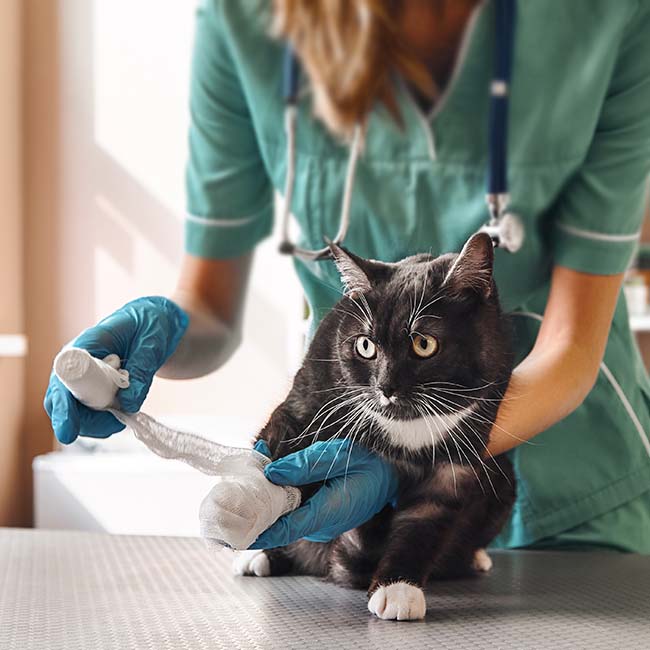
1. Collaboration with Local Organizations: Channel funds to vetted grassroots groups, ensuring resources reach the animals pictured.
2. Educational Initiatives: Offer short courses on pet first aid or wildlife-friendly gardening, turning clicks into knowledge.
3. Research and Evaluation: Publish annual impact dashboards so users see exactly how many vaccinations, adoptions, or habitat restorations their clicks financed.
In short, the simple act of clicking, when multiplied by millions, becomes a steady heartbeat of support for creatures who cannot ask for help themselves—proof that technology and compassion can walk, paw in hand, toward a kinder world.