



The Enigmatic World of the Waiting Cat: A Behavioral Analysis
Introduction
The image of a cat poised in quiet anticipation has fascinated observers for generations. This article explores why felines adopt prolonged, expectant postures, what these behaviors signal, and how they fit into the broader picture of feline life. By reviewing field notes, household anecdotes, and current ethology, we hope to illuminate the subtle drama behind every seemingly motionless stare.
The Concept of the Waiting Cat
Defining the Waiting Cat
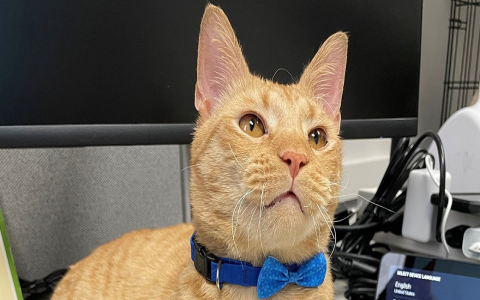
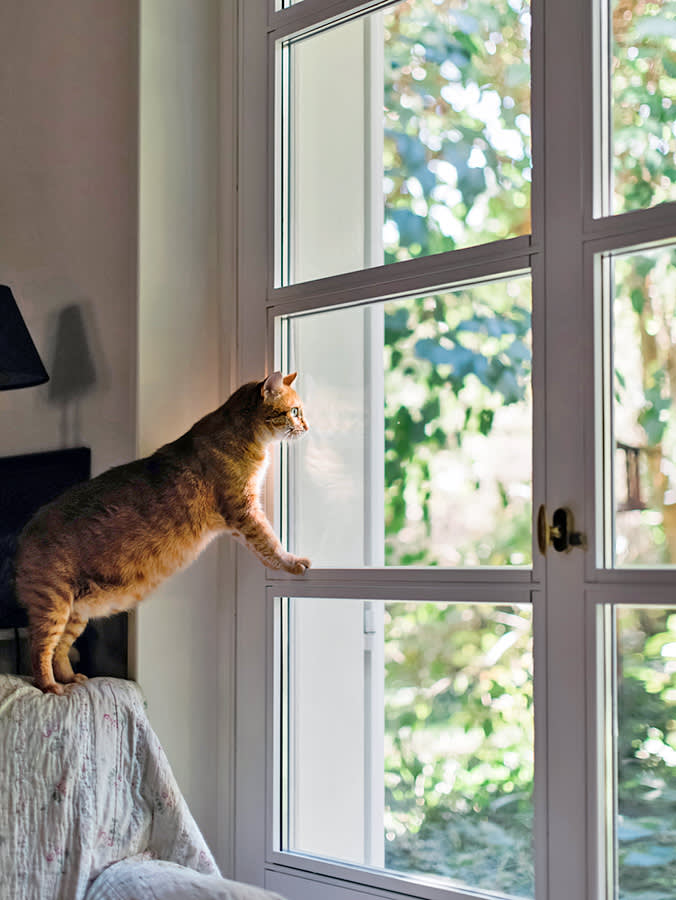
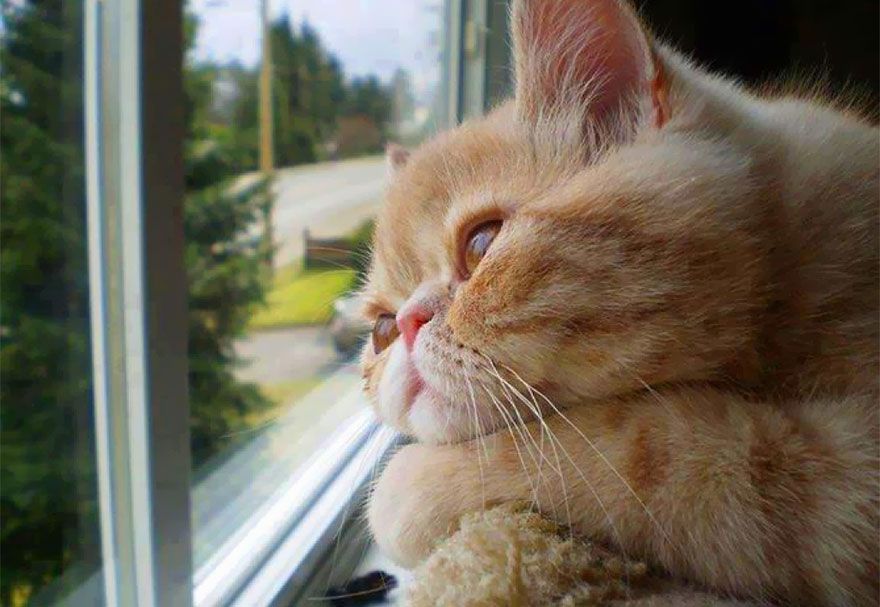
A “waiting cat” is simply one that settles into a chosen spot and fixes its attention on a specific point—be it a doorway, a window, or an empty corner—giving the impression that something momentous is about to occur. This stance is not tied to breed, age, or coat color; it is a universal feline gesture.

Observations in the Wild
Free-roaming cats often repeat the same vigil: perched above a trail used by rodents, tucked beside a thicket where songbirds feed, or motionless near a den entrance. The pose conserves energy while maximizing the chance of a successful move, whether for hunting, mating, or avoiding rivals.
The Psychological Underpinnings of Waiting
Instinctual Behavior
Stillness is a predator’s oldest tool. By freezing, a cat reduces its own visibility and allows prey to step within striking range. The same freeze-frame reflex also buys time to assess an unfamiliar sound or scent, turning waiting into a survival tactic refined over thousands of years.
Social Interaction
Cats also use waiting as a social cue. A resident feline may station itself at a hallway intersection, calmly announcing ownership of the thoroughfare. In multi-cat homes, the first cat to occupy a doorway often controls access, achieving dominance without overt aggression.
Environmental Factors
Positive experiences reinforce location loyalty. If a windowsill once offered a spectacular bird display, a cat will return to that “lucky” ledge day after day, turning memory into routine and routine into ritual.
The Waiting Cat in Domestic Settings
Human-Cat Interaction
Indoors, the same instinct translates into everyday theater: a cat parked by the front door twenty minutes before a family member usually arrives, or crouched beside a toy that moves only when human hands animate it. The pause heightens the eventual payoff, making the reunion or the pounce feel larger than life.

The Role of Routine
Meals, play sessions, and even the sound of the kettle can act as timekeepers. Cats quickly link subtle household rhythms with rewarding events, positioning themselves at the epicenter of anticipated action.
The Impact of Human Interaction
Cats raised with gentle, consistent care often wait with relaxed muscles and softly blinking eyes—signs of trust. Those startled by unpredictable handling may choose higher ground or partial concealment, turning the same behavior into a guarded pause rather than an open invitation.
The Waiting Cat in Literature and Art
Symbolism in Literature
Writers have long borrowed the cat’s silent vigil as a metaphor for patience, fate, or the uncanny. From nursery rhymes to modern novels, the seated observer becomes a mirror for human hopes and anxieties, amplifying tension simply by refusing to move.
Artistic Depictions
Sculptors capture the forward tilt of the ears; painters highlight the contrast between dappled fur and sunlit floorboards. Each still image invites viewers to imagine what has just happened—or what might happen next—turning a mundane moment into narrative suspense.
Scientific Research on the Waiting Cat
Behavioral Studies
Motion-activated cameras and non-invasive tracking show that the average outdoor cat spends surprising portions of its day simply watching. Researchers interpret these pauses as evidence of complex cost-benefit calculations: energy saved now versus opportunity seized later.
Comparative Analysis
Similar motionless surveillance appears in species from lynx to leopards, suggesting that the strategy emerged early in feline evolution and persists because it works across habitats as different as snowy forest and suburban backyard.
The Waiting Cat and Human Emotions
Emotional Resonance
People often project their own feelings onto a cat’s vigil: loneliness, hope, or meditative calm. Recognizing this reflex can deepen empathy and remind owners to provide mental stimulation at the exact moment their pet’s expectant gaze turns into restless frustration.
The Power of Observation
Sharing a room with a waiting cat invites humans to slow their own pulse and notice details—shadows shifting, rain tapping glass, dust motes drifting. The cat becomes a quiet teacher of mindfulness, demonstrating that sometimes the most productive action is attentive stillness.
Conclusion
The waiting cat offers a window into the elegant economy of feline life: minimal movement, maximum awareness. Understanding this behavior enriches our appreciation of cats as both companions and evolved predators, perfectly adapted to seize the moment—when the moment finally arrives.
Recommendations and Future Research
Continued study could refine our knowledge of feline cognition and improve welfare guidelines. Priority topics include:
1. Genetic markers that correlate with prolonged waiting tendencies.
2. How habitat complexity shapes waiting strategies in wild and indoor populations.
3. Age-related changes in patience and the factors that maintain or erode it.
4. The therapeutic potential of synchronized quiet time between cats and humans.
Exploring these questions will deepen the bond between species and celebrate the quiet power of the pause.