


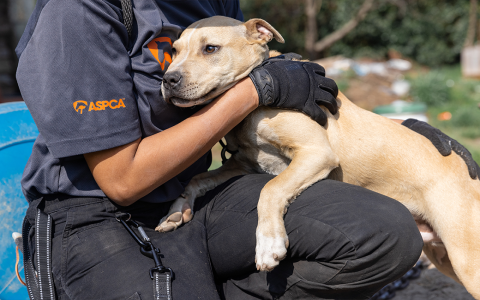

The Importance of Dog Rescues: A Comprehensive Analysis
Introduction
Dog rescues have become an essential part of animal welfare efforts worldwide. As more dogs are left without homes, organizations that shelter and rehabilitate them play a key role in safeguarding their well-being. This article explores why dog rescues matter, looking at their influence on animal welfare, community health, and society in general. By reviewing their background, obstacles, and rewards, the discussion offers a broad view of this important topic.
The History of Dog Rescues
Efforts to help homeless dogs began taking shape in the nineteenth century, when small groups started offering basic shelter in crowded cities. Over the decades, these initiatives grew to include medical care, behavior support, and adoption services. Today, rescue networks operate in many regions, supported by volunteers, veterinarians, and foster families.
Challenges Faced by Dog Rescues

Rescue groups continue to confront several difficulties. A steady flow of abandoned animals stretches limited space and budgets, while finding reliable funding and trained caregivers remains an ongoing concern. Public wariness can also complicate matters; dogs roaming the streets are sometimes seen as nuisances rather than animals in need, making it harder to win community backing.
Another hurdle involves changing attitudes toward pet care. Until more owners choose adoption and commit to lifelong responsibility, the cycle of abandonment is likely to persist.
The Impact of Dog Rescues on Animal Welfare
By offering food, shelter, and veterinary attention, rescues dramatically improve life for countless dogs. Many animals that once struggled on the streets recover physically and emotionally, eventually joining safe, affectionate homes. These successes reduce overall shelter overcrowding and encourage higher standards of care across the animal sector.
Education campaigns run by rescue teams also promote sterilization, identification, and routine health checks, helping to lower future intake numbers.
The Role of Dog Rescues in Public Health

Healthy, vaccinated dogs mean healthier neighborhoods. Rescues routinely administer shots and treatments that curb the spread of preventable disease. Fewer strays on the roads also lessen the chance of bites or traffic incidents, creating safer shared spaces for people and pets alike.
The Benefits of Dog Rescues to Society
Beyond direct animal care, rescue work strengthens community spirit. Adoption events, school talks, and volunteer days encourage empathy and cooperation among residents. Participants often gain communication, fundraising, and organizational skills that serve them in other areas of life, while the joy of seeing a dog find a new home fosters a culture of kindness.
Conclusion
Dog rescues improve individual animal lives, support public health, and enrich communities. Although challenges remain, continued cooperation among volunteers, local authorities, and caring citizens can expand these positive effects. Supporting adoption, responsible ownership, and rescue programs is a practical way to build a more compassionate society for both dogs and people.
Recommendations and Future Research
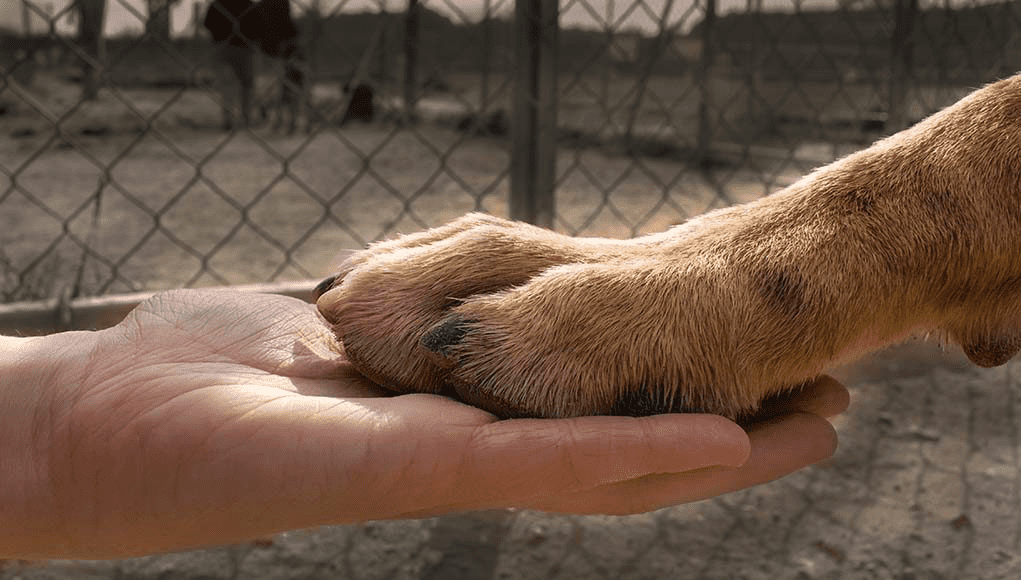
To strengthen dog rescue efforts, the following steps are suggested:
1. Broaden financial support through donations, grants, and partnerships with pet-related businesses.
2. Encourage teamwork among shelters, veterinarians, and civic leaders to create unified, humane population management plans.
3. Invest in ongoing public education that highlights adoption benefits and the lifelong commitment pets require.
Future studies could examine:
1. Long-term well-being of adopted dogs and satisfaction levels of their families.
2. Comparative effectiveness of spay-and-neuter campaigns, community feeding programs, and adoption drives.
3. Social and economic advantages—such as reduced healthcare costs and increased civic engagement—linked to vibrant rescue networks.
Pursuing these recommendations and research avenues can help dog rescues evolve, ensuring healthier, happier communities for animals and humans together.