




The Importance of Puppy Adoption in a Thriving City
Introduction
Every major city with a big heart for animals faces the same quiet crisis: more dogs arrive in shelters than leave them. In one such city—known for its historic streets and tight-knit neighborhoods—puppy adoption has become a bright spot in the wider effort to protect animal welfare. This article looks at why choosing adoption matters, what it gives to families, and what obstacles still stand in the way.
The Significance of Puppy Adoption
Reducing Overpopulation
Shelters across the country take in millions of dogs each year, and puppies make up a large share of that number. When people adopt rather than shop, they free up kennel space, ease pressure on staff and volunteers, and slow the cycle of accidental litters. Every adoption is one less dog relying on scarce shelter resources.
Providing Second Chances
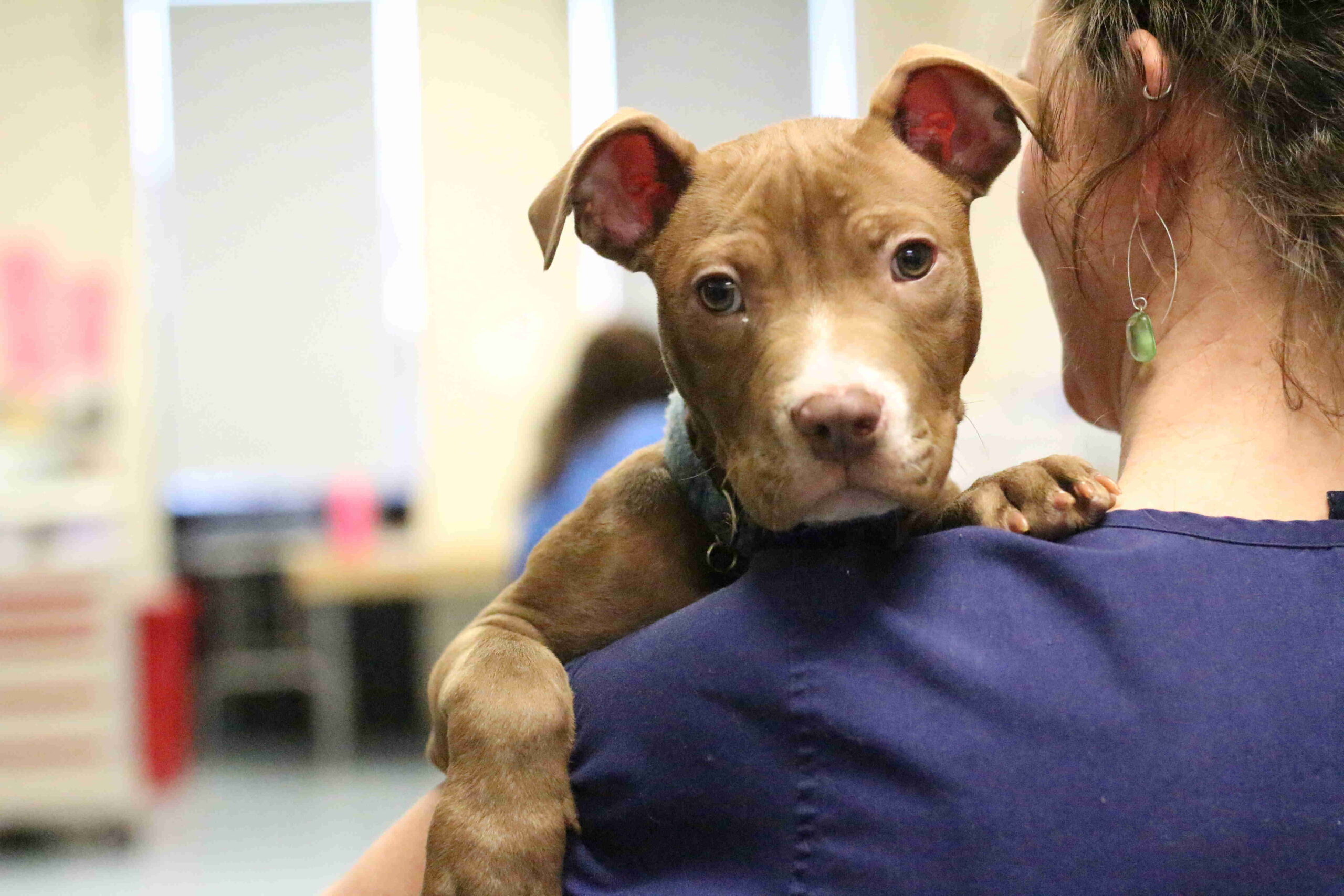
Many puppies land in shelters through no fault of their own—a move, a financial setback, or simply being born to an unplanned litter. Adoption turns an uncertain future into one filled with walks, belly rubs, and stability. In return, adopters gain a loyal companion who repays kindness with daily affection.
Promoting Animal Welfare
Adoption fees help shelters pay for food, vaccines, and medical care, while the act itself models responsible pet ownership. Families who adopt are more likely to spay or neuter, keep up with routine vet visits, and become advocates for humane treatment within their own circles.
Benefits of Puppy Adoption
Emotional and Psychological Benefits
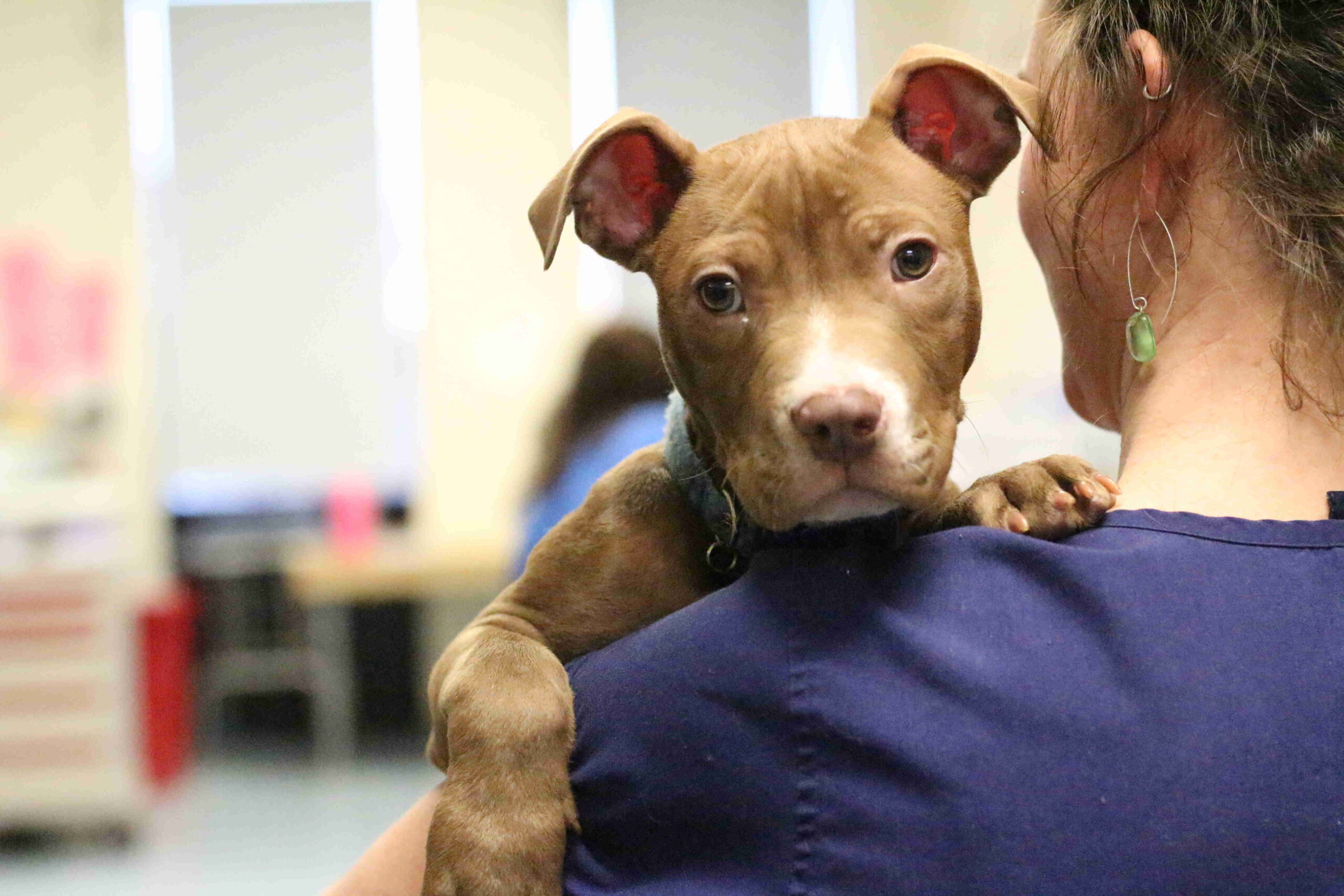
Science keeps confirming what dog lovers already feel: puppies lower stress, ease loneliness, and add structure to daily life. Morning walks turn into exercise, evening play sessions become laughter therapy, and the simple rhythm of caring for another being can lift moods after the toughest day.
Economic Benefits
Adoption packages typically include initial vaccinations, microchipping, and spay/neuter surgery—services that would cost hundreds if arranged separately. By adopting, families bring home a healthy starter pet and keep their budget intact for toys, training classes, and future check-ups.
Challenges of Puppy Adoption
Limited Resources
Shelters run on donations, grants, and modest fees. When funds dip, staffing shrinks, enrichment programs stall, and medical care is rationed. Even the most dedicated teams struggle to give each puppy the time and attention it deserves without steady community support.

Public Awareness
Myths persist: shelter dogs are “damaged,” puppies are always available from breeders, or adoption paperwork is too complicated. Until these ideas are replaced with clear facts—healthy puppies wait in shelters every day—some families will never consider adoption as their first choice.
Conclusion
Opening a home to a shelter puppy is a small act that ripples outward: one life is saved, shelter space is freed, and a community moves closer to a day when every dog has a bed instead of a kennel floor. By choosing adoption, supporting local programs, and sharing positive stories, residents can turn compassion into lasting change for animals and people alike.