


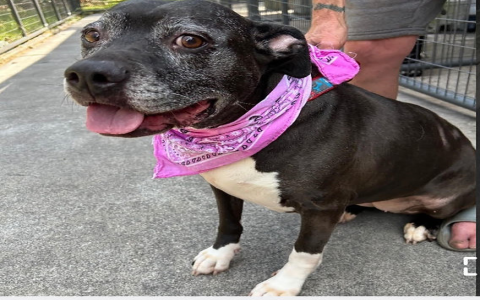

Title: The Impact of Leading Dog Rescue Organizations on Animal Welfare
Introduction:
Animal welfare has become a major focus in recent years, with countless groups striving to improve the lives of companion animals. Among them, leading dog rescue organizations stand out by offering shelter, medical care, and a fresh start to abandoned and stray dogs. This article examines why these groups matter, how they influence animal welfare, and what lies ahead for canine rescue work.
The Role of Leading Dog Rescue Organizations
Leading dog rescue organizations are committed to saving at-risk dogs. They pull animals from crowded shelters, city streets, and neglectful situations, then place them in safe environments until permanent homes can be found. Their core functions include:
1. Rescue: Teams actively locate dogs in jeopardy, often coordinating with municipal shelters to remove animals scheduled for euthanasia.
2. Temporary Housing: Rescued dogs receive clean, stress-free kennels or foster homes where daily needs are met.
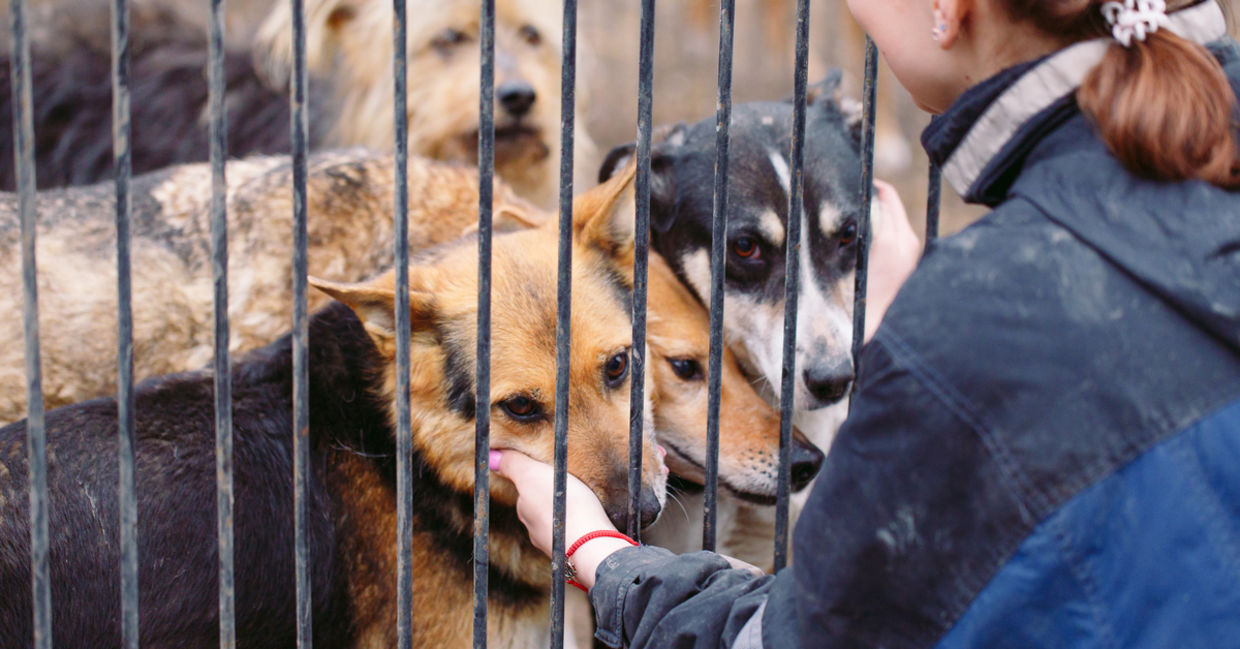
3. Veterinary Care: Injuries, illnesses, and malnutrition are treated promptly through partnerships with local clinics.
4. Behavior Support: Skilled volunteers and trainers help shy or traumatized dogs rebuild trust and learn basic manners.
5. Adoption Services: Staff screen applicants, arrange meet-and-greets, and provide post-adoption guidance to ensure successful matches.
The Impact on Animal Welfare
The ripple effects of these efforts extend well beyond individual dogs:
1. Lower Euthanasia Rates: By transferring dogs out of overcrowded facilities, rescues reduce the number of healthy animals put down for space.
2. Healthier Pets: Routine vaccinations, spay/neuter surgeries, and parasite control create robust adoptees.
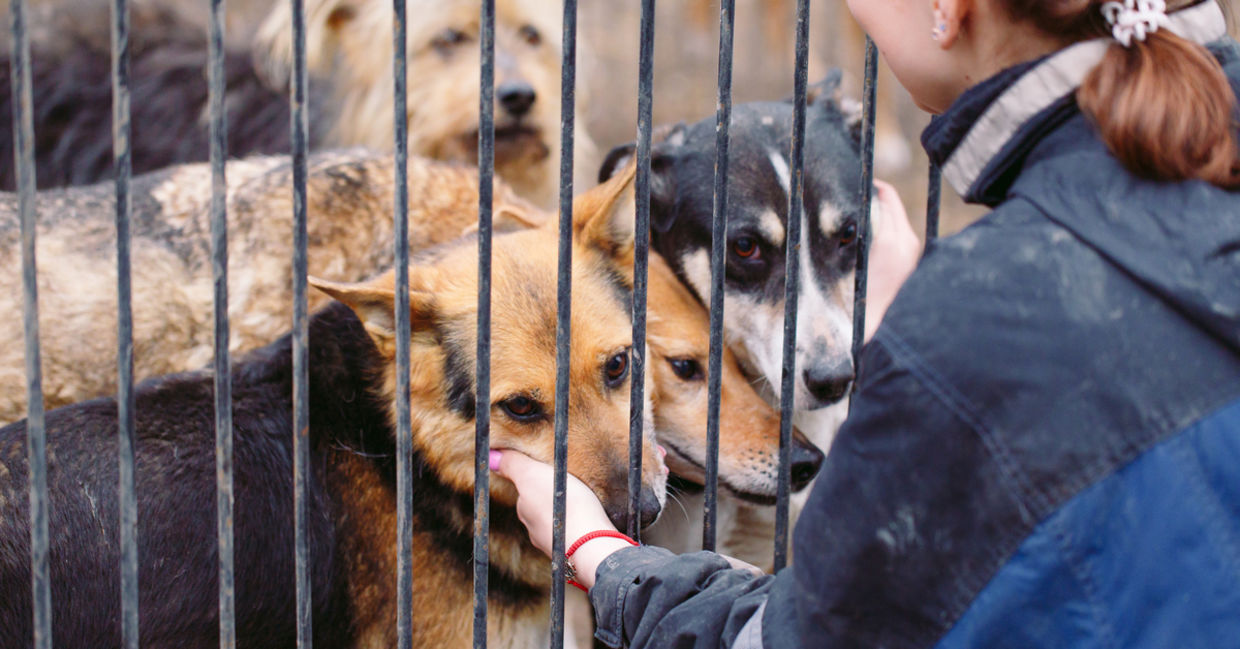
3. Public Awareness: Success stories shared online and at events inspire compassion and spotlight responsible ownership.
4. Stronger Bonds: Families who adopt often report deeper empathy for animals and increased community involvement.
5. Education: Pre-adoption counseling teaches new guardians about exercise, nutrition, and lifelong commitment.
Challenges and Solutions
Even the most effective groups face hurdles:
1. Limited Funds: Donations can be unpredictable, stretching budgets for food, medicine, and utilities.
2. Persistent Overpopulation: Despite low-cost sterilization programs, unwanted litters continue to arrive.
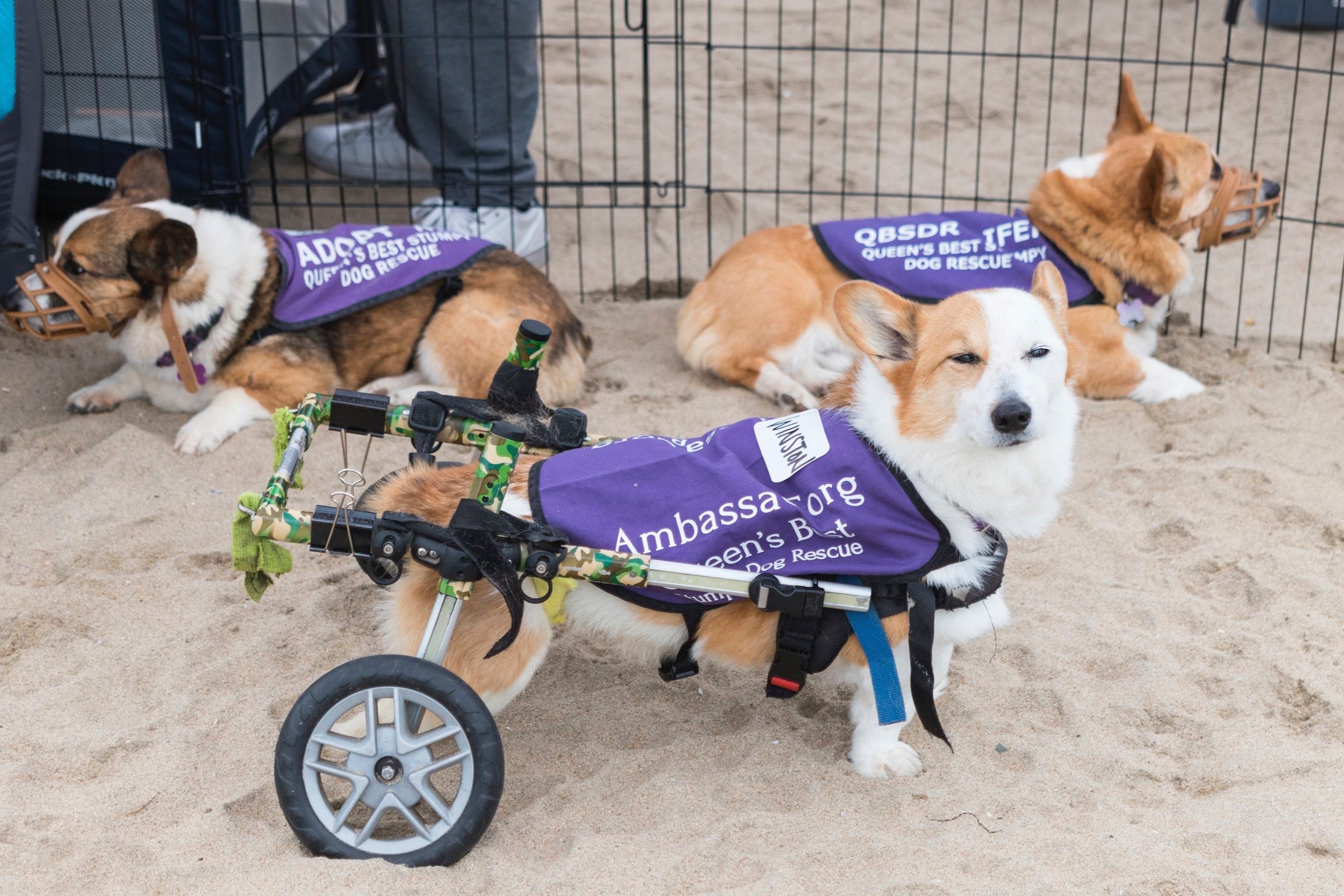
3. Low Visibility: Many residents remain unaware of local rescue services, reducing adoptions and volunteer help.
To counter these issues, organizations can:
1. Expand Outreach: Regular social media posts, school talks, and weekend adoption events keep the mission visible.
2. Partner with Municipalities: Joint transport and foster initiatives ease shelter burdens and share resources.
3. Diversify Fundraising: Monthly donor clubs, online auctions, and corporate sponsorships create steadier income.
4. Build Community Networks: Neighborhood watch for strays, volunteer dog-walking groups, and local business discounts foster grassroots support.
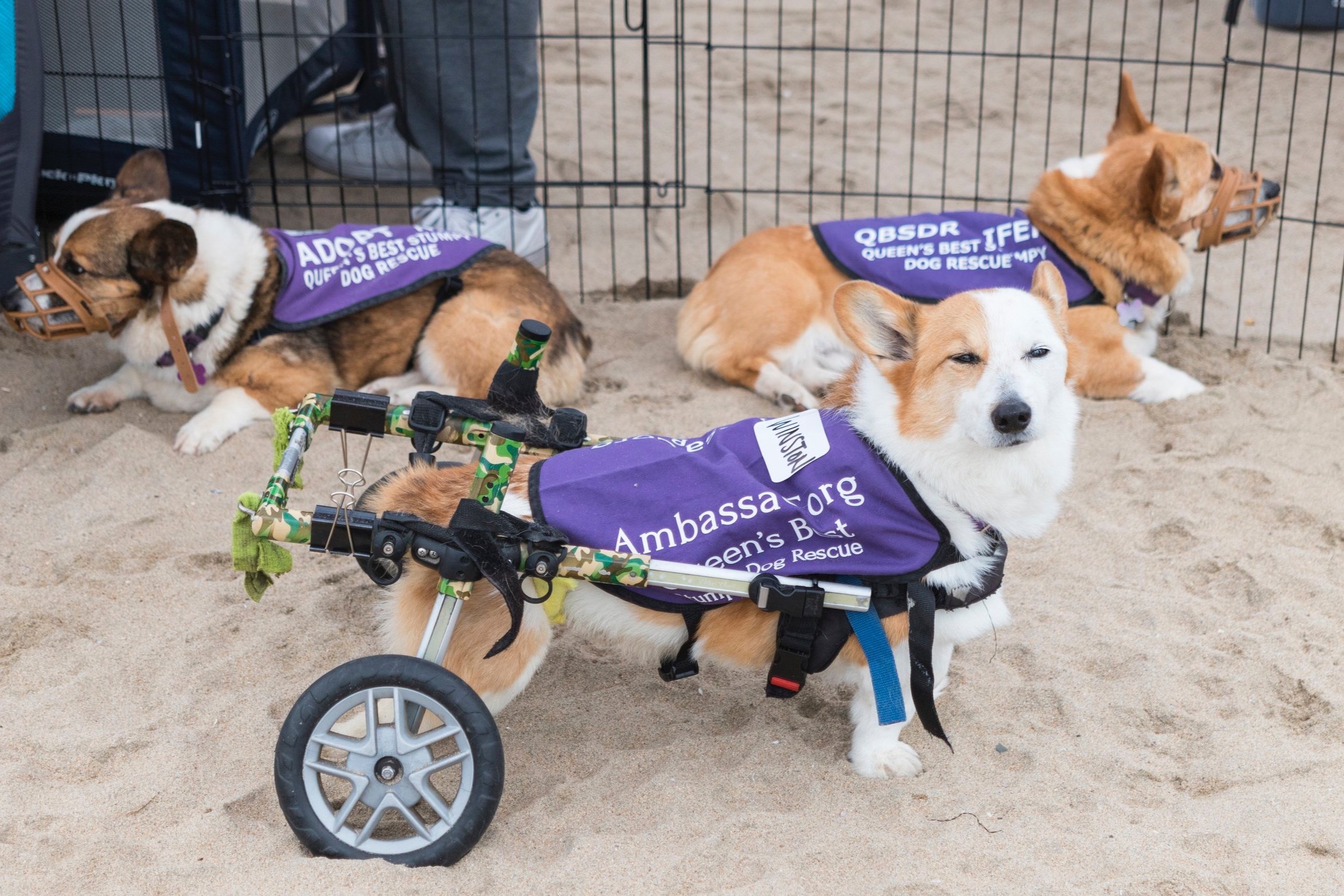
The Future of Dog Rescue Efforts
Sustained progress will depend on collaboration between rescues, veterinarians, policymakers, and the public. Key strategies include:
1. Early Education: School curricula that highlight empathy, proper pet care, and the consequences of abandonment can shape future attitudes.
2. Data-Driven Programs: Sharing intake and outcome statistics helps identify hotspots and measure intervention success.
3. Supportive Legislation: Advocating for mandatory microchipping, breeder oversight, and affordable veterinary access reduces influx.
4. Cross-Organization Alliances: Regional coalitions can coordinate large-scale transports, bulk purchasing, and unified adoption events.
Conclusion:
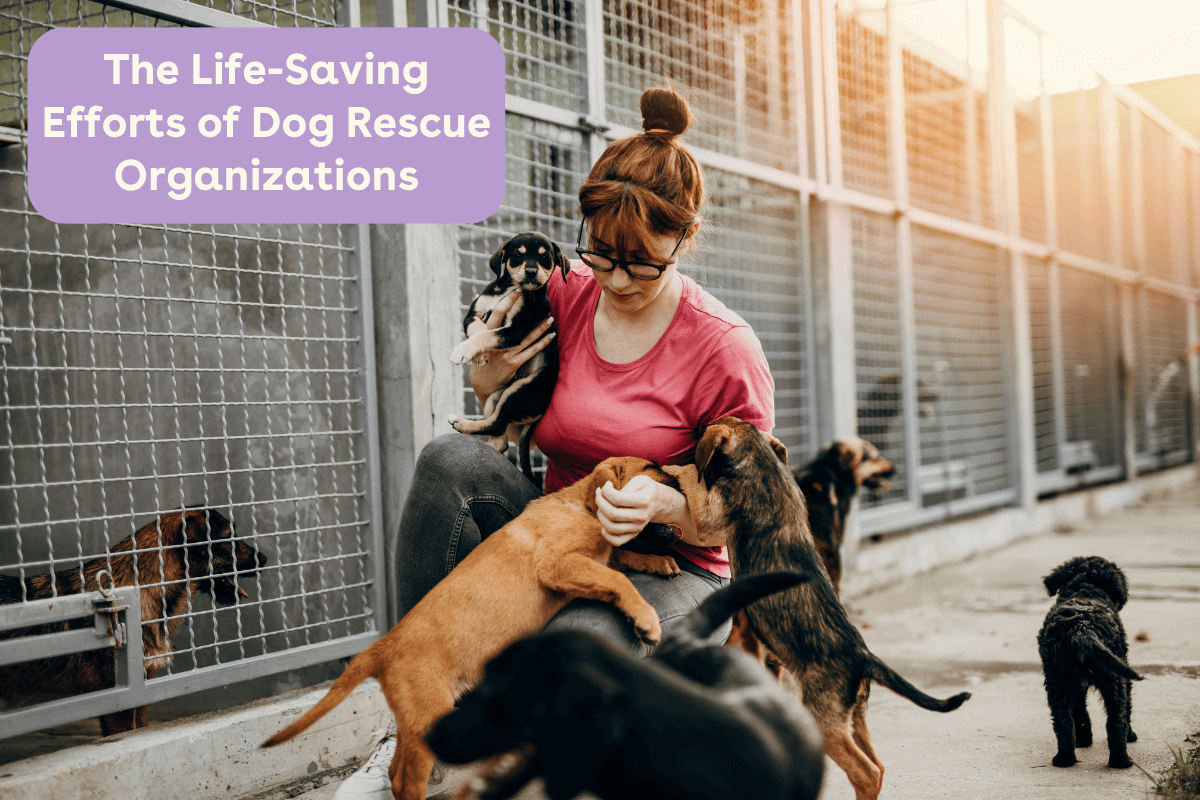
Leading dog rescue organizations serve as a safety net for society’s most vulnerable canines. Through rescue, rehabilitation, and rehoming, they save lives, promote humane values, and inspire responsible guardianship. By tackling obstacles with creativity, securing broader backing, and uniting with like-minded partners, these groups can expand their reach and ensure a brighter future for dogs everywhere. Public recognition and ongoing support remain essential to sustain this life-saving work.