



Introduction
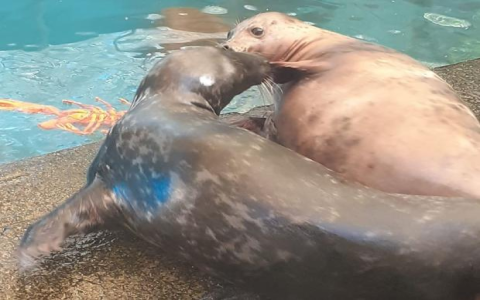
Seals are captivating marine mammals that inspire curiosity and affection in people everywhere. Their playful nature often prompts the question: what would happen if you tried to touch one? This article examines the possible outcomes, the hazards for both parties, and the moral questions raised by close contact with wild seals.
The Risks of Petting a Seal
Health Risks
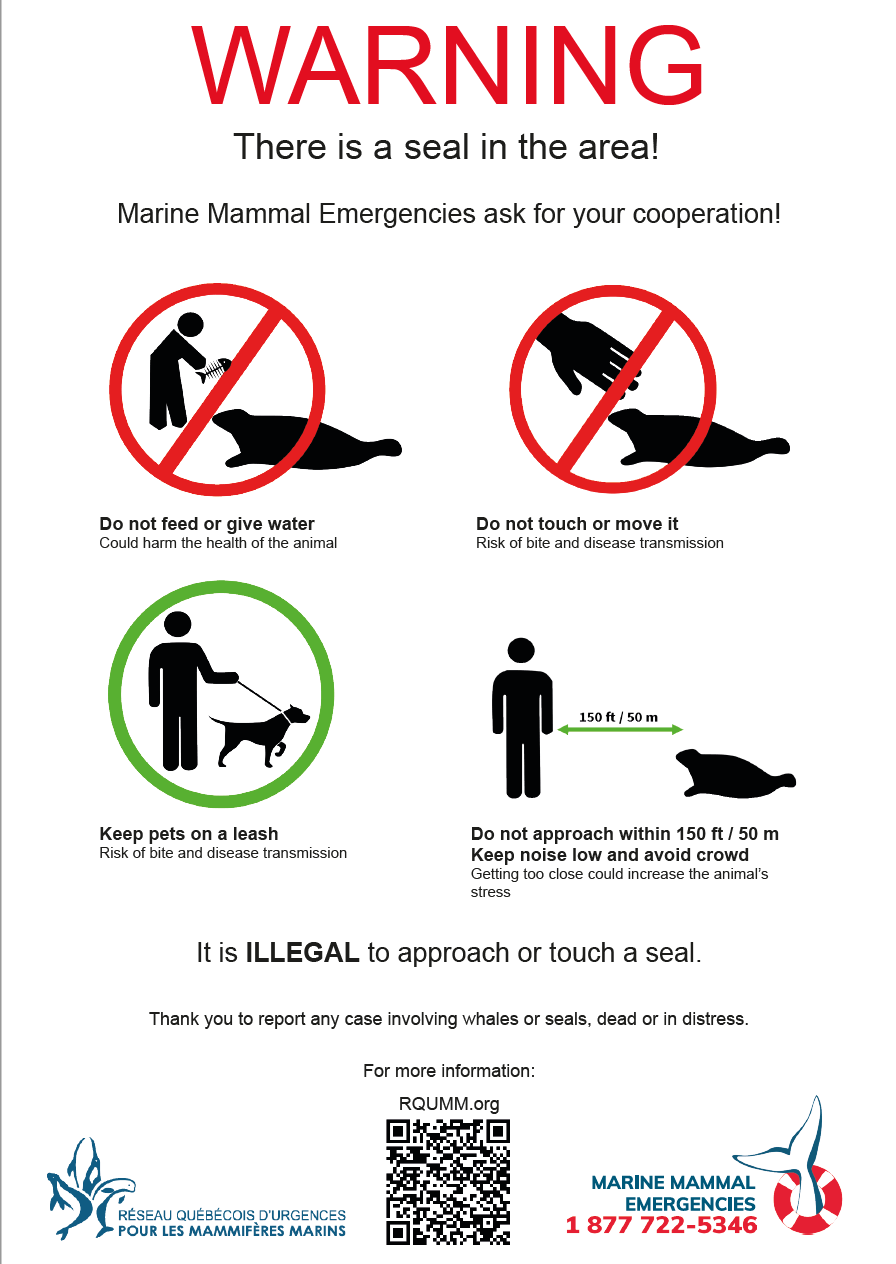
Close contact can expose people to zoonotic bacteria or viruses carried by seals. Although transmission is uncommon, pathogens can spread through saliva, bites, or scratches. Even a gentle encounter may end with a nip if the animal feels cornered.
Touching a seal can also harm the animal itself. These creatures react instinctively to perceived threats; a sudden hand on their fur may trigger stress hormones, flight, or defensive aggression that leaves either party injured.

Environmental Risks
Many seal colonies rest on protected shorelines where human disturbance is regulated. Approaching too closely can breach local wildlife laws and interrupt feeding, nursing, or mating routines that entire populations depend on.
The Benefits of Petting a Seal
Emotional Benefits
Watching seals from a respectful distance can still create a powerful sense of calm and wonder. Observers often report reduced anxiety and a deeper appreciation for ocean life simply by witnessing natural behaviors.
Educational Benefits
Guided, non-intrusive encounters—such as those offered by certified eco-tours—allow visitors to learn about seal ecology, diet, and conservation challenges without direct contact, fostering respect that lasts long after the trip ends.
Ethical Considerations
Consent
Wild animals cannot agree to human touch. Interacting on our terms overrides their autonomy and can habituate them to people, increasing future conflict.
Conservation
Every unnecessary approach chips away at the animals’ energy reserves and can separate pups from mothers. Cumulative disturbance weakens colony health and underpins wider ecosystem balance.
Case Studies and Research
Case Study 1: Temperate Island Colony
Researchers monitoring a well-known island rookery discovered that repeated visitor contact elevated stress hormones in breeding females, leading to lower pup-survival rates the following season.
Case Study 2: Tropical Archipelago Population
On a remote equatorial shore, scientists documented altered haul-out patterns after tourists began reaching for resting seals. The animals shifted to less-optimal resting sites with higher predation risk.
Conclusion
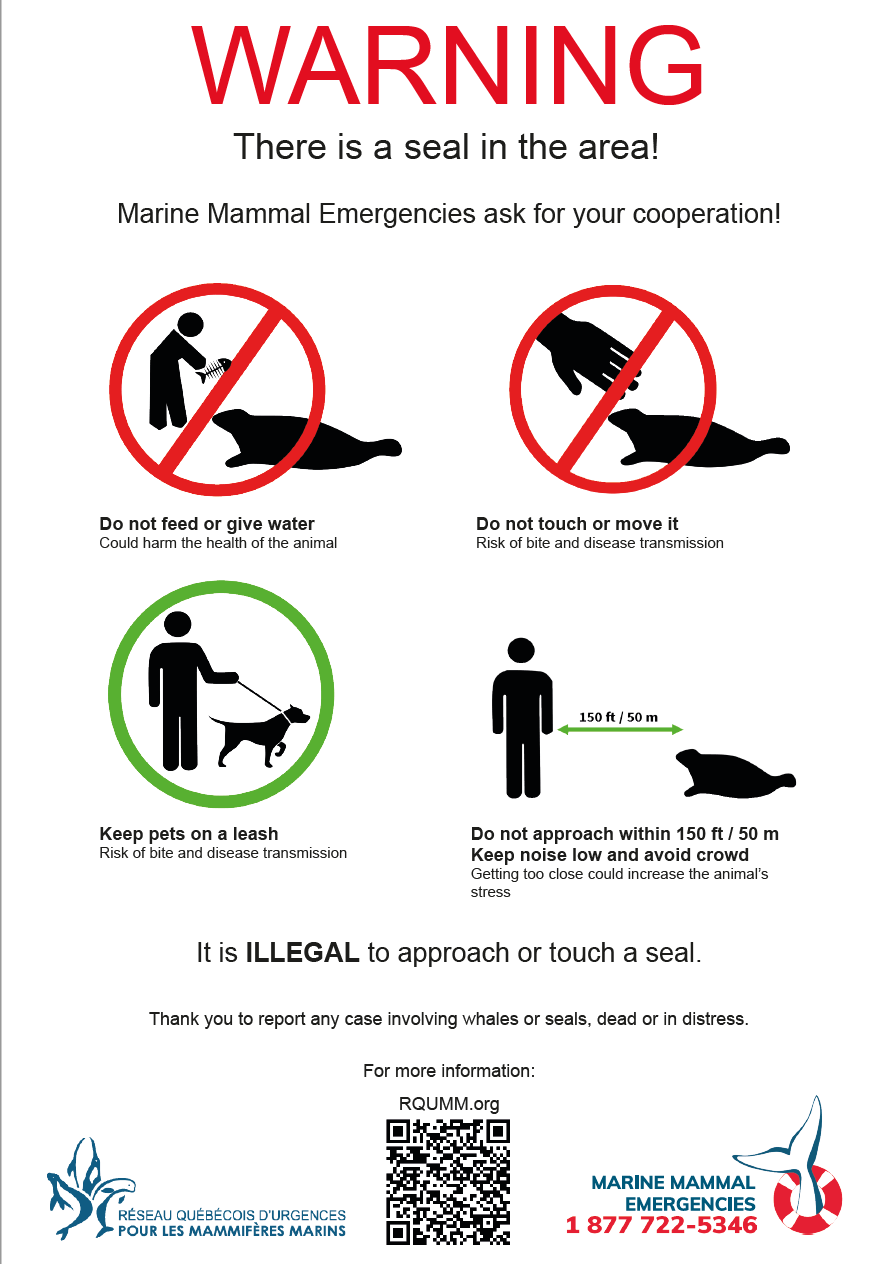
Petting a seal might seem harmless, yet the practice carries measurable dangers for human safety, animal welfare, and population stability. Emotional rewards and learning opportunities can still flourish through responsible observation that keeps both people and seals safe.
Until firmer guidelines emerge, the safest course is to admire from afar, support habitat protection, and share knowledge that encourages others to do the same. Informed choices today safeguard the thrill of seeing seals thrive in the wild for generations to come.