
Free Cat for Adoption: A Compassionate Approach to Pet Ownership
Introduction
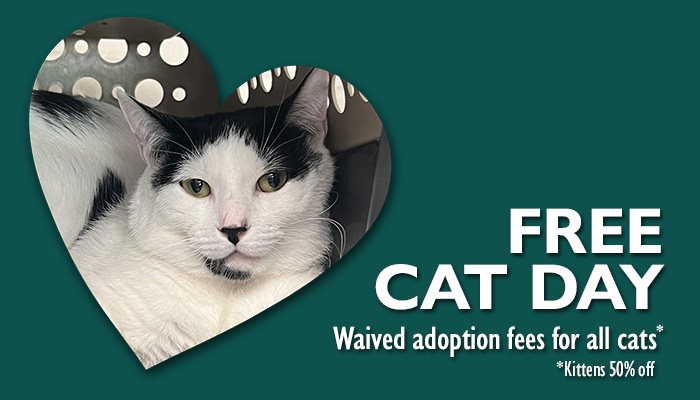
Offering cats for adoption without an upfront fee has become increasingly popular, mirroring a wider commitment to animal welfare and the wish to give abandoned or stray cats a secure, loving home. This article examines the rewards and responsibilities that come with adopting a cat whose guardians simply ask for a safe environment rather than a purchase price, showing how the arrangement benefits both the animal and the wider community.
The Importance of Adopting a Free Cat
Reducing Animal Homelessness
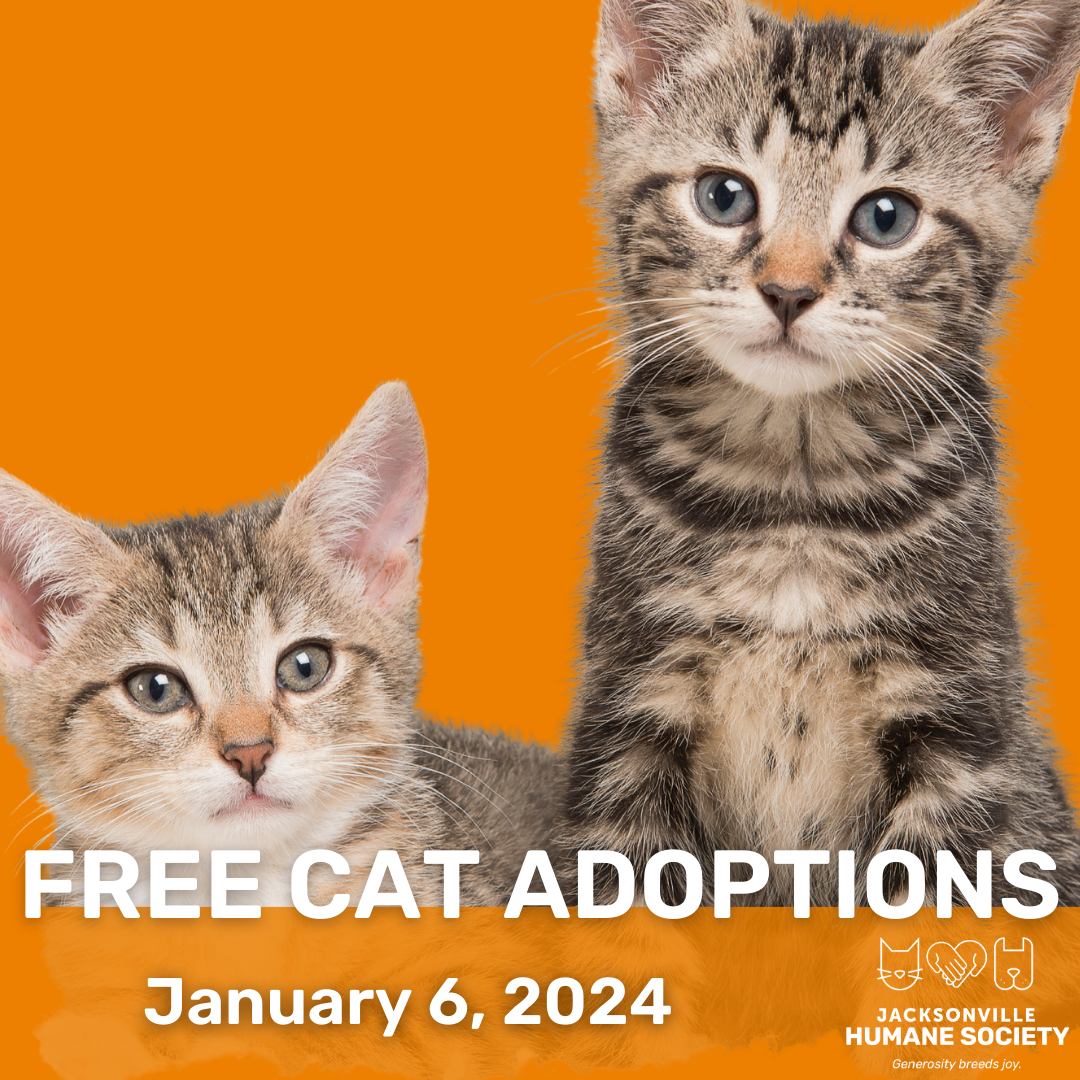
Every year, countless cats arrive at shelters after being lost, abandoned, or born on the streets. Choosing to adopt a cat that is offered free of charge opens up shelter space and moves one more animal off the streets, lowering the risk of overcrowding and the difficult decisions that can follow.
Promoting Animal Welfare
Many cats offered for free adoption have experienced neglect or hardship. Bringing such a cat into a stable home provides immediate access to consistent meals, veterinary attention, and affection, dramatically improving the animal’s quality of life and demonstrating society’s commitment to humane treatment.
Benefits of Adopting a Free Cat
Cost-Effective
Because there is no purchase price, initial costs are limited to essentials such as vaccinations, micro-chipping, and spay or neuter surgery—expenses that new owners would face sooner or later with any cat. This lower barrier allows more households to welcome a pet without a large upfront payment.
Unique Personality and Charm
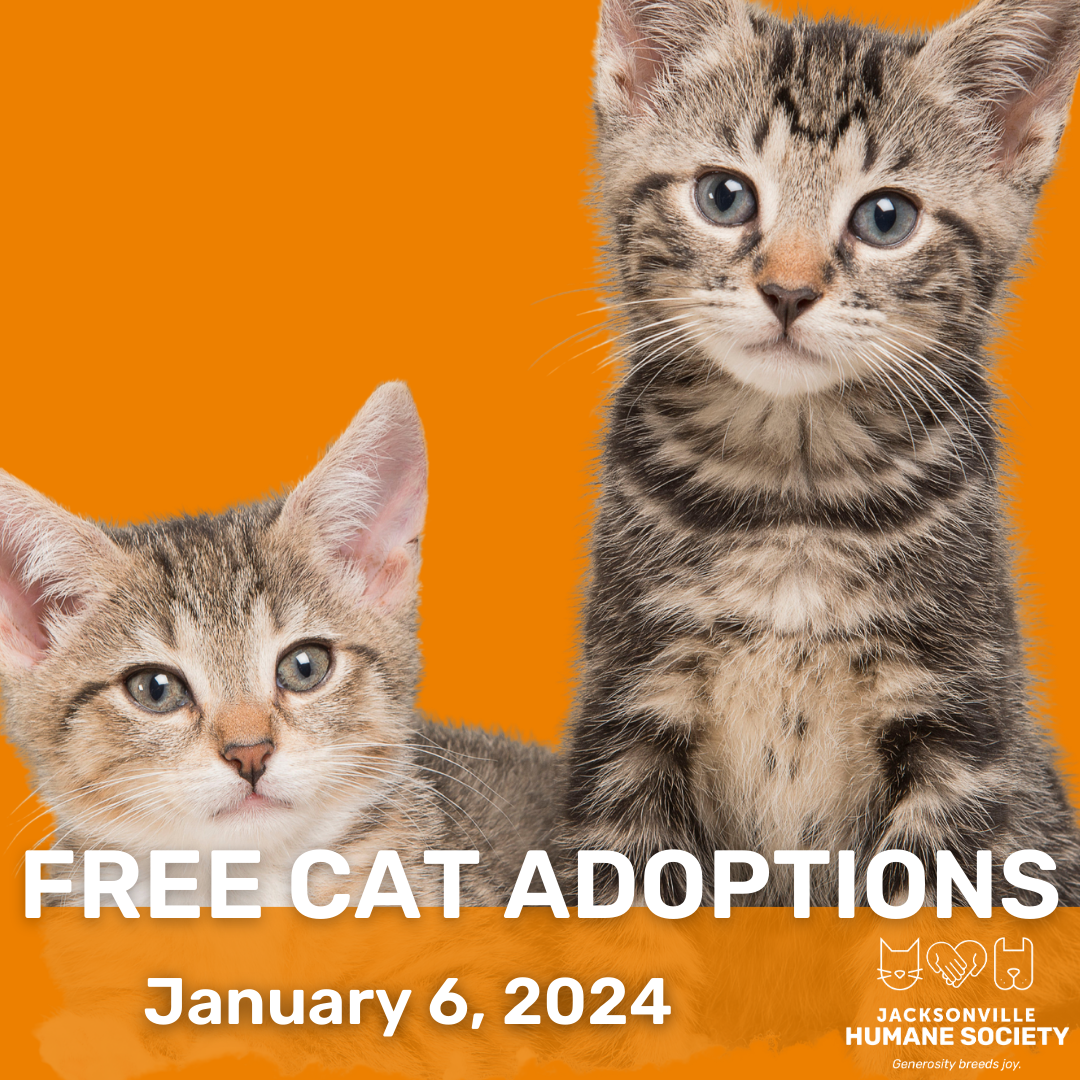
Cats who have overcome hardship often develop deep bonds with their new families. Their gratitude frequently shows in affectionate behavior, creating a rewarding companionship that many owners describe as especially heartfelt.
Challenges of Adopting a Free Cat
Health and Behavioral Issues
Some cats may arrive with untreated medical conditions or anxiety-driven habits. Prospective adopters should budget for an initial veterinary exam and be ready to provide patience, gentle training, and, if necessary, professional behavioral guidance.
Time and Commitment
Feeding, grooming, play sessions, and routine health care continue for the cat’s entire lifetime—often fifteen years or more. Families should weigh their schedules and long-term plans to ensure they can offer steady care before taking an animal home.
Success Stories
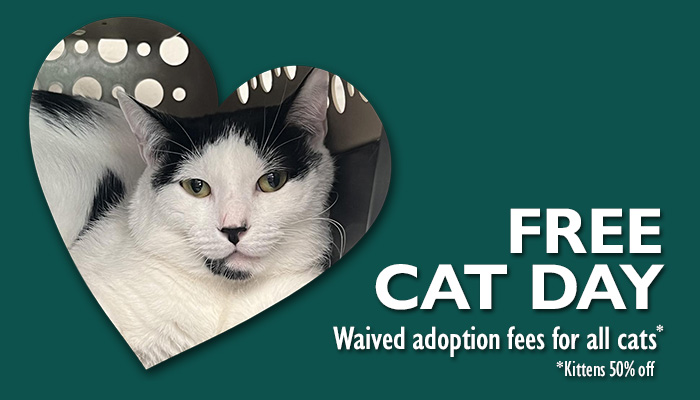
Shelters regularly report that cats once labeled “timid” or “under-socialized” blossom in quiet, patient households. Online forums are filled with photos and anecdotes of former strays who now nap on sofas, greet visitors confidently, and provide daily comfort to children and seniors alike.
Conclusion
Adopting a cat offered without a fee is a practical, humane way to fight pet homelessness while gaining a devoted companion. The initial savings do not diminish the value of the animal; instead, they invite more people to experience the joys of responsible pet ownership. With realistic expectations and a willingness to invest love and care, families discover that the gratitude of a rescued cat is priceless.
Recommendations and Future Research
Shelters and rescue networks are encouraged to highlight success stories, run regular adoption events, and share clear guidance on the first steps of integrating a new cat. Partnerships between veterinarians, pet-supply brands, and local authorities can further ease the transition by offering low-cost starter packages for newly adopted animals. Continued studies on post-adoption outcomes—covering health, behavior, and owner satisfaction—will help refine support programs and ensure that every free adoption becomes a lifelong match.