




The Easiest Places to Adopt From: A Comprehensive Guide
Introduction
Adoption is a life-changing journey that can bring lasting happiness to both children and parents. Yet the road to adoption often feels overwhelming, especially for first-time applicants. This guide highlights regions where procedures tend to be smoother, explains why some countries are more accessible, and offers practical tips to help families move forward with confidence.
Factors Influencing Adoption Easiness
1. Adoption Laws and Policies
Clear, consistent rules make a huge difference. Nations that publish transparent timelines, require reasonable paperwork, and allow court dates to be scheduled promptly usually shorten the wait for families. When requirements are spelled out in plain language, prospective parents can prepare accurate dossiers without costly do-overs.
2. Availability of Children in Need of Families
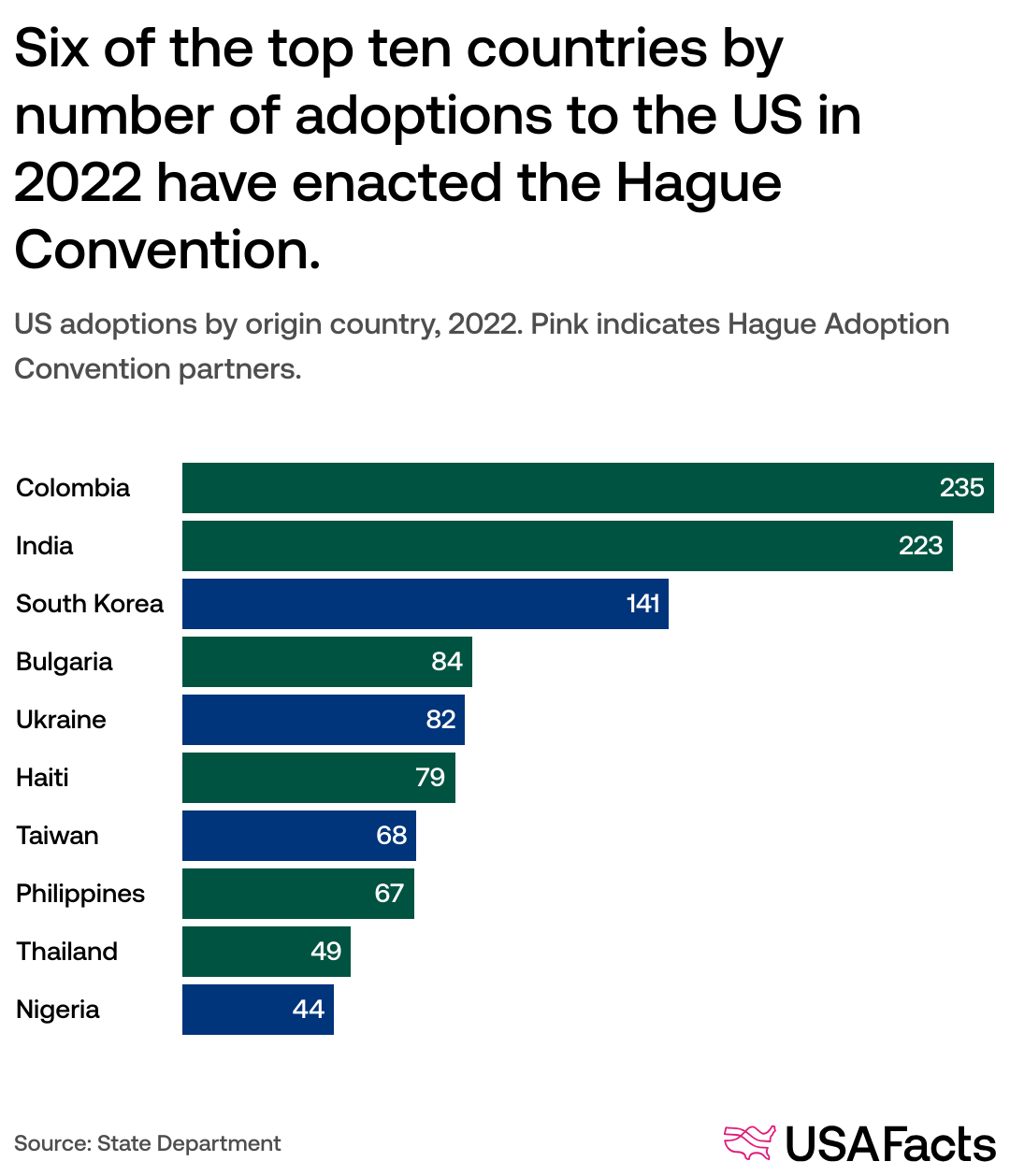
Regions with sizable numbers of children living in institutional or foster care often have more predictable matching processes. A larger pool can reduce the time between home-study approval and referral, provided the sending country keeps its processes open to foreign applicants.
3. Cultural and Social Attitudes
Communities that view adoption as a positive path to permanence tend to offer stronger post-placement support. Social-service workers, medical professionals, and school systems in these areas are generally experienced in addressing adoptive families’ questions, which smooths the transition for everyone.
Easiest Places to Adopt From
1. The United States
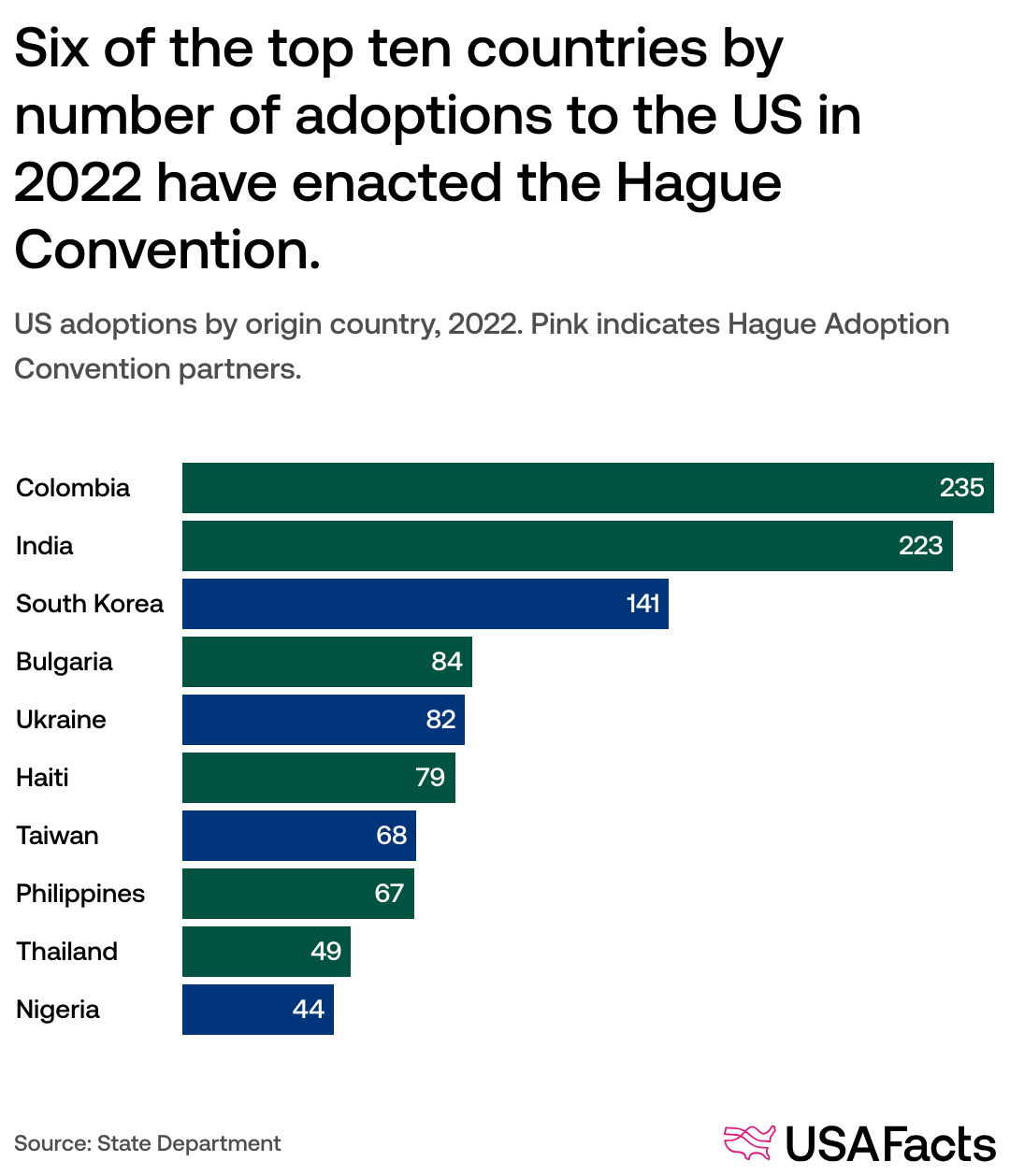
Domestic adoption in the U.S. benefits from standardized home-study requirements, abundant licensed agencies, and multiple pathways—private infant, foster-to-adopt, and kinship. Interstate procedures are well mapped out, and most states provide detailed fee disclosures up front.
2. Canada
Each Canadian province runs its own program, yet all follow similar core steps: a supervised home study, mandatory training, and centralized waiting lists. The emphasis on openness means many birth and adoptive families meet before placement, reducing uncertainty later.
3. The United Kingdom
Local authorities handle most adoptions, and a national register speeds matching across England, Scotland, Wales, and Northern Ireland. The process is highly regulated, but timelines are published online, and financial support for special-needs adoptions is widely available.
4. South Korea
Long-standing international programs operate through government-authorized agencies. After a home study and child referral, families typically travel once to complete the adoption in court. Post-placement reports are required, yet the steps are routine and well documented in English.
5. China
The central authority manages a single national list, so waiting times are posted publicly and updated monthly. predictable criteria—age of applicants, marital status, and family size—make it straightforward to estimate when a referral might arrive.
Conclusion
Choosing a country with clear procedures, ample professional support, and an established track record can turn a daunting process into a manageable series of steps. By researching each nation’s requirements early, families can align their expectations and move toward welcoming a child sooner.
Recommendations and Future Research
Policymakers and child-welfare experts should keep sharing data on processing times, costs, and post-adoption services. Continued collaboration between governments, agencies, and universities can refine best practices, shorten delays, and—most important—ensure every child finds a safe, loving, permanent home.
In conclusion, starting the adoption journey in a jurisdiction known for transparent, family-friendly procedures gives prospective parents the best chance of focusing on what truly matters: building a lifelong bond with their child.