




Title: The Community Value of Neighborhood Sales: A Balanced Overview
Introduction
Neighborhood sales—often called yard or garage sales—offer households a simple way to clear clutter and earn modest cash. Across many towns, these events have grown steadily, drawing buyers and sellers of all ages. This overview explores how such sales influence local economies, the environment, and social life, using one New England city as a reference point.
Economic Impact
Small-scale sales can inject fresh spending into a locality. Sellers convert unused goods into ready money, while buyers find affordable necessities. Industry observers note that a typical weekend sale can yield a few hundred dollars, funds that often return to nearby cafés, gas stations, and shops when visitors combine errands.
Beyond pocket money, these gatherings support micro-enterprises: artisans who refurbish furniture, teens who resell vintage clothing online, or bakeries that set up coffee stands. The ripple effect keeps dollars circulating locally and can encourage seasonal hiring for setup, transport, or advertising services.
Environmental Impact
Reselling household items extends product life and delays landfill trips. Every lamp, book, or toy that changes hands represents raw materials and energy saved from manufacturing something new. Visualize the collective weight of goods diverted in a single weekend; the volume can equal the weekly trash output of several blocks.
Regular participation also nudges residents toward mindful consumption. Shoppers who hunt for pre-owned goods often adopt repair habits, share tools, and favor durable designs, gradually lowering community-wide demand for single-use products.
Social Impact
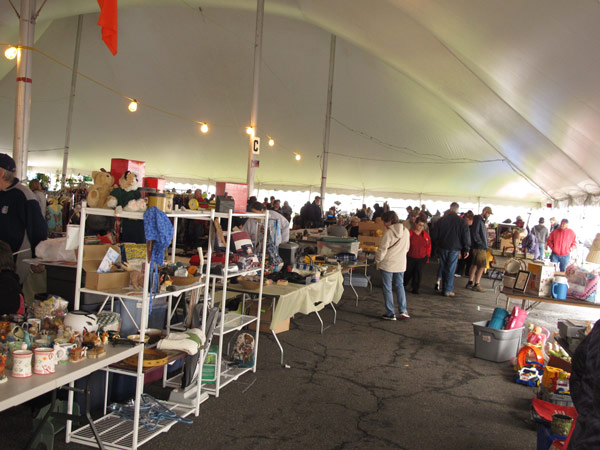
On a Saturday morning, sidewalks turn into informal meeting spaces. Neighbors chat over boxes of DVDs, parents trade parenting tips, and newcomers learn local history from longtime residents. These low-pressure interactions build familiarity that later translates into cooperation on school drives, park clean-ups, or emergency preparedness.
Many sales earmark a portion of proceeds for food banks, animal shelters, or youth sports. Donors feel immediate impact: a stroller sold today can fund tomorrow’s community meal program, strengthening the habit of giving without writing large checks.
Challenges and Solutions
Success brings logistical headaches—cluttered lawns, late-day leftovers, and occasional misplaced items. Clear labeling, pre-sorted tables, and advertised closing times keep traffic smooth and reduce clean-up. Some towns offer communal drop-off points for unsold goods, ensuring leftovers reach thrift outlets rather than trash bins.
Safety concerns range from petty theft to traffic congestion. Simple measures—well-lit yards, visible cash boxes, and coordination with local patrols—deter problems. Publishing a shared neighborhood map of sale locations also calms vehicle flow and prevents road blockages.
Conclusion
When thoughtfully arranged, neighborhood sales deliver triple dividends: modest income, waste reduction, and stronger community ties. Challenges remain manageable through planning and cooperation. As these events continue to multiply, residents, volunteers, and small businesses share responsibility for keeping them friendly, safe, and sustainable.
This discussion underscores how an ordinary weekend ritual can yield extraordinary collective benefits. By refining practices and sharing lessons, towns everywhere can ensure that yard sales remain a cherished, eco-smart tradition.

Recommendations and Future Research
To amplify positive outcomes, communities might consider the following steps:
1. Encourage joint promotions among sellers, cafés, and local causes to widen appeal and pool resources.
2. Create simple online calendars and printable maps so shoppers plan efficient routes, cutting car trips and emissions.
3. Offer brief guides on pricing, display, and donation drop-offs, raising overall quality and reducing post-sale waste.
Areas ripe for further study include:
1. Long-term tracking of how money earned at yard sales circulates through nearby businesses.

2. Quantifying landfill diversion achieved by regular resale events across different seasons.
3. Measuring changes in neighborly trust and civic participation linked to recurring community sales.
Pursuing these questions will help municipalities refine policies and celebrate the humble yard sale as a tool for resilient, connected neighborhoods.