


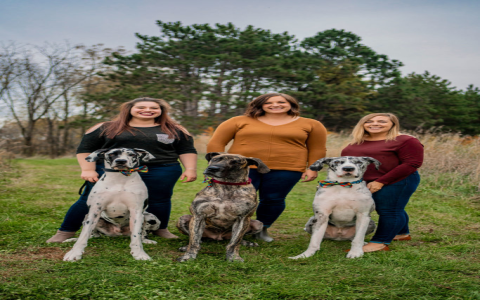

Great Dane Haven: A Ray of Hope for Gentle Giants
Introduction
Great Dane Haven is a volunteer-run charity devoted to rescuing, rehabilitating, and re-homing Great Danes who have lost their families or never had one. Since its founding, the group has offered a fresh start to numerous dogs and the households that welcome them. This overview highlights why the charity matters, how it changes canine and human lives, and what its work says about the wider world of animal welfare.
The Significance of Great Dane Haven
Because of their impressive size and sensitive nature, Great Danes often end up in situations they cannot handle alone: families underestimate the cost of care, landlords impose weight limits, or medical needs outstrip an owner’s budget. Great Dane Haven steps in to provide safety, veterinary attention, and patient training until a better match can be found.
The Impact of Great Dane Haven

The impact of Great Dane Haven can be seen in several ways:
1. Rescue and Rehabilitation
Teams respond to calls from shelters, Good Samaritans, and law-enforcement partners. Each dog receives a health check, vaccinations, spay or neuter surgery, and any specialized treatment required. Volunteers then work on basic manners and confidence-building so the dog can relax and show its true personality.
2. Re-homing
Adoption counselors interview prospective families, check references, and arrange meet-and-greets. They look for homes that understand giant-breed needs—space, moderate exercise, joint-friendly diets, and plenty of companionship—so the adoption succeeds for the long term.
3. Education and Outreach
Free webinars, school visits, and social media posts explain nutrition, exercise, and the financial commitment these dogs require. By setting realistic expectations, the charity reduces the number of Danes who cycle back into rescue.
The Broader Implications of Animal-Rescue Work
When a single-breed group helps dogs, the benefits ripple outward:
1. Promoting Animal Welfare
Every dog pulled into foster care frees shelter space and resources for other animals, raising the standard of care community-wide.
2. Strengthening the Human-Animal Bond
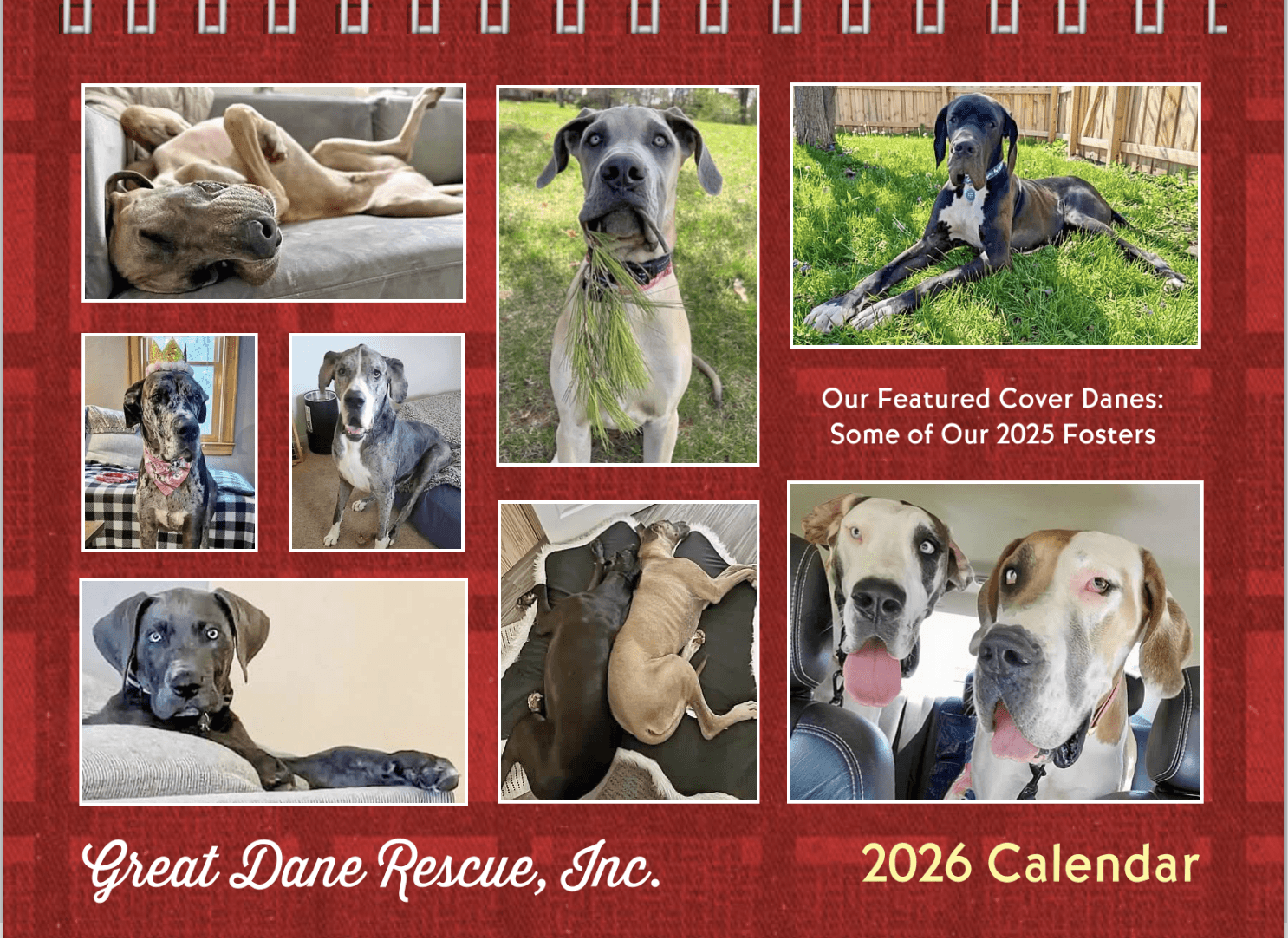
Adopters often describe the experience as life-changing: a rescued Dane offers loyalty and calm, while the family gains daily exercise, social connections, and the joy of watching a timid dog blossom.
3. Encouraging Responsible Ownership
Pre-adoption counseling and post-adoption support teach owners to budget for food, prevent health issues, and train with kindness—lessons that carry over to any pet they may own in the future.
Conclusion
Great Dane Haven illustrates how targeted, compassionate action can transform both ends of the leash. By restoring health and hope to dogs who outgrow their first homes, the organization nurtures a culture in which large-breed adoption is celebrated and prepared for, not feared.
Recommendations and Future Directions
To extend this positive impact, stakeholders can:
1. Expand public-education campaigns that explain the true cost and rewards of living with a giant dog.
2. Build networks among veterinarians, trainers, and transport volunteers to move at-risk Danes quickly to safety.
3. Track adoption outcomes—health, behavior, and retention—to refine matching processes and share best practices with similar rescues.
By supporting these steps, communities can ensure that more gentle giants spend their lives surrounded by understanding, well-prepared families.