




The Australian Shepherd in the Pacific Northwest: An Overview
Introduction
The Australian Shepherd, celebrated for its sharp mind, agility, and adaptability, has won hearts across the United States, especially in the Pacific Northwest. This overview explores the breed’s background, traits, and influence on regional life, offering insight into why it remains a favorite companion and working partner.
The History of the Australian Shepherd in the Region
Despite its name, the Australian Shepherd was refined in the United States. Ranchers and shepherds valued its herding talent, and the dog soon became a fixture on farms throughout the Northwest. Early settlers relied on these quick-thinking dogs to move livestock across varied terrain, from coastal meadows to mountain valleys. Over decades, the breed proved itself indispensable, earning a permanent place in rural and suburban homes alike.
Characteristics of the Australian Shepherd

The Australian Shepherd is a medium-sized, athletic dog wrapped in a weather-resistant double coat that comes in several striking colors. Below are the qualities that set the breed apart:
Intelligence and Trainability
Consistently ranked among the brightest breeds, the Australian Shepherd learns commands rapidly and thrives on mental challenges. Owners often channel this intellect into agility, flyball, scent work, or advanced obedience, but the same keen mind also excels in service and therapy roles.
Energy and Activity Level
This is not a couch-potato dog. Daily runs, hikes, or extended play sessions keep an Aussie content. When exercise is skipped, pent-up energy may surface as chewing, barking, or inventive mischief.
Temperament
Loyal and affectionate with its people, the breed can be watchful around newcomers. Early socialization softens any reserve and curbs the instinct to herd running children or other pets by nipping at heels.
The Impact of the Australian Shepherd Locally
From farm fields to family rooms, the breed shapes regional life in noticeable ways:
Agricultural Industry
On smallholdings and large ranches, these dogs still gather cattle, sheep, and even free-range poultry, reducing labor costs and stress on livestock. Their presence allows producers to manage herds humanely and efficiently.
Pet Ownership
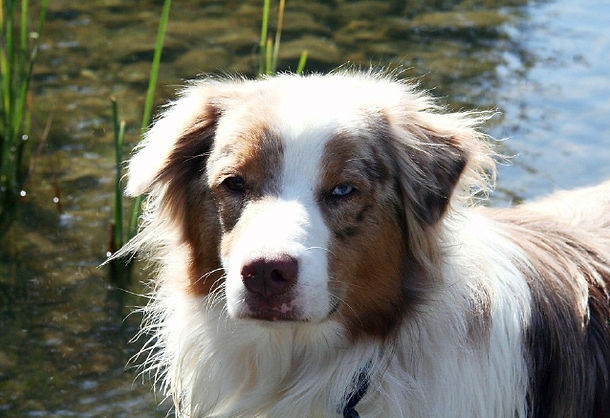
Urban and suburban families prize the Aussie for its ready smile and willingness to join weekend adventures. Local parks regularly host meet-ups where owners swap training tips and organize group hikes.
Economic Impact
Demand for well-bred puppies, training classes, specialty gear, and canine sports events injects steady income into the local economy. Groomers, veterinarians, and pet-supply stores all benefit from the breed’s popularity.
Challenges and Concerns
No breed is perfect, and prospective owners should weigh the following issues:
Health Issues
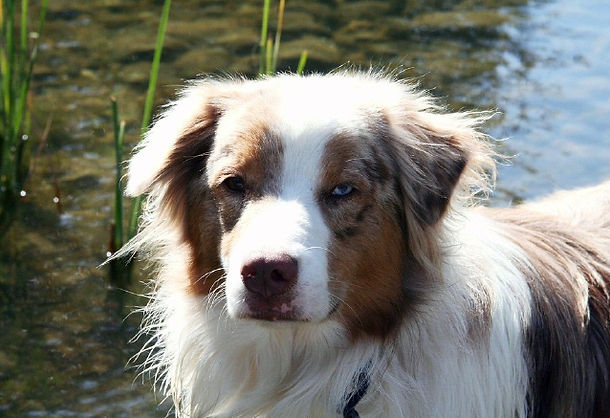
Hip dysplasia, epilepsy, and certain eye conditions appear in some lines. Selecting responsible breeders who screen parent dogs lowers risk, while routine vet visits catch problems early.
Behavior Problems
Without structure, Aussies may invent jobs—such as chasing shadows or corralling toddlers—that clash with household peace. Consistent training, puzzle toys, and structured exercise prevent many unwanted habits.
Conclusion
The Australian Shepherd has earned its place as a versatile partner in both work and play. By matching the breed’s drive with appropriate training, exercise, and healthcare, owners enjoy a devoted companion that enriches daily life throughout the Pacific Northwest and beyond.
Recommendations and Future Research

To safeguard the breed’s long-term welfare, consider these steps:
1. Support breeders who prioritize health testing and balanced temperaments over color trends.
2. Offer beginner workshops that teach positive-reinforcement techniques tailored to high-energy herding dogs.
3. Fund studies that track hereditary conditions and evaluate the benefits of early socialization programs.
Future research could explore:
1. Genetic markers linked to common health concerns, enabling smarter breeding decisions.

2. The effect of structured puppy classes on adult behavior and stress levels.
3. Innovative outlets—such as urban herding or scent-work trials—that channel the breed’s instincts in modern settings.
By following these guidelines and encouraging ongoing study, communities can ensure the Australian Shepherd remains a healthy, well-mannered, and cherished member of the canine world.