




Adopting a Dog from the Shelter: A Heartfelt Decision
Introduction
Bringing a dog home from a shelter is a kind and fulfilling decision that has captured growing interest. This article looks at the rewards of choosing a shelter dog, the possible hurdles, and the difference it makes for both the animal and the new family. By weaving together different viewpoints and widely recognized findings, it highlights why giving a shelter dog a home is a meaningful act.
The Importance of Adopting a Dog from the Shelter
Saving Lives
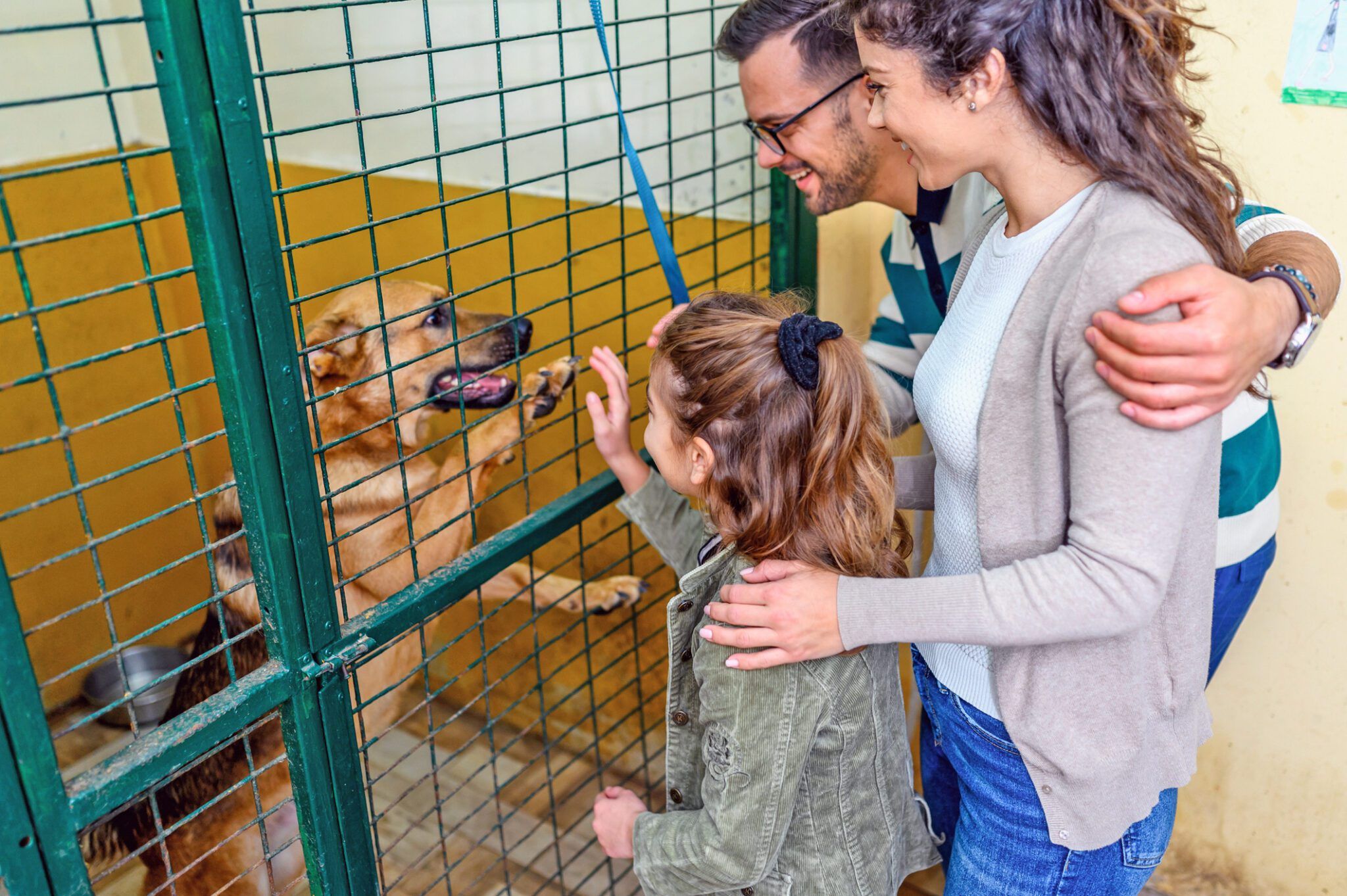
Every adoption creates space and frees resources, directly lowering the number of dogs facing uncertain futures. When people open their homes to a shelter dog, they offer a fresh start to an animal that might otherwise wait indefinitely. This simple act of kindness ripples outward, easing pressure on overburdened facilities and giving one more dog the chance to thrive.
Supporting Animal Welfare
Shelters work daily to provide food, medical care, and safe surroundings. Choosing adoption strengthens these efforts, helping organizations continue their mission for every animal that comes through the door. The support benefits current residents and improves standards of care across the wider rescue community.
Benefits of Adopting a Dog from the Shelter
Unique Personality and Temperament
Shelter dogs often arrive with rich, individual characters forged by past experiences. Adopters frequently discover endearing quirks—an unexpected love of cuddles, a talent for fetch, or a gentle patience with children—that make the bond especially rewarding. Celebrating these distinctive traits adds daily joy and a sense of shared journey.
Health Benefits
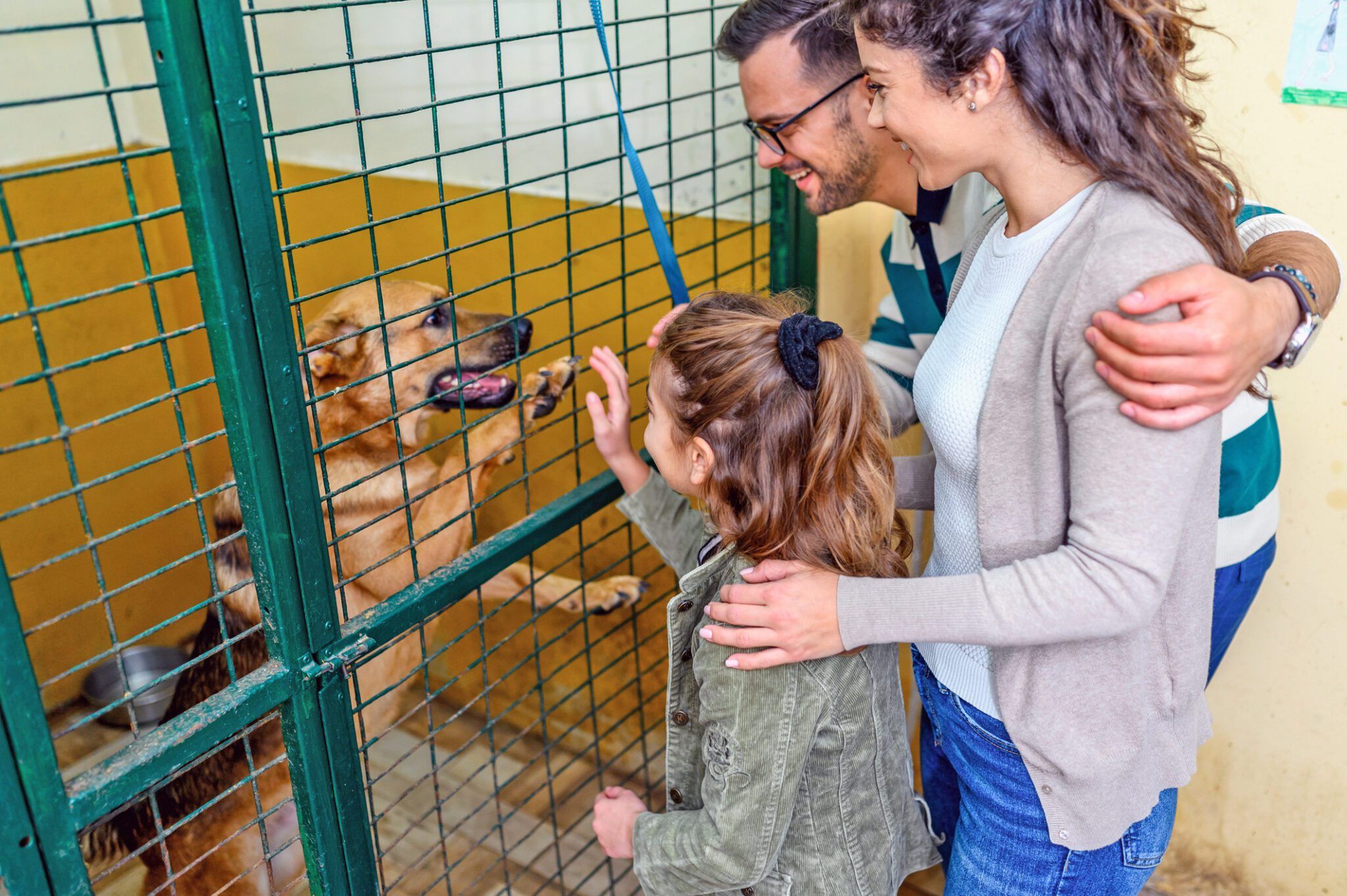
Sharing life with a canine companion encourages exercise, outdoor time, and routine, all of which can lift mood and lower stress. The responsibility of care also nurtures empathy and structure, contributing to emotional balance for owners of every age.
Cost-Effective
Adoption fees routinely cover sterilization, initial vaccines, and microchipping, making the upfront expense lower than buying from a commercial source. Many shelters also include post-adoption advice, discounted training classes, and behavioral hotlines, offering ongoing value.
Challenges and Considerations
Initial Adjustment Period
Some dogs need time to decompress after the noise and confinement of kennel life. Patience, consistent routines, and positive reinforcement help build trust. Enlisting a certified trainer or following shelter-recommended guidance can smooth the transition for both dog and family.

Health Concerns
While shelters address immediate medical needs, adopters should budget for routine and sometimes unexpected veterinary care. Regular check-ups, a balanced diet, and preventive treatments keep newly adopted pets on a healthy path.
Testimonials and Success Stories
To further illustrate the positive impact of adopting a dog from the shelter, let’s hear from some adopters who have made this compassionate choice.
Sarah’s Story
I met my scruffy companion at the city shelter three years ago. He was shy and underweight, but steady kindness turned him into an outgoing hiking buddy. Watching him blossom has been the most rewarding part of my weekdays—and weekends.

John’s Story
Our family adopted a gentle senior girl who had been surrendered through no fault of her own. After a few weeks of rest and good meals, she reclaimed her playful spirit. She now greets every visitor with a wagging tail, reminding us that love has no age limit.
Conclusion
Opening your home to a shelter dog is an act of compassion that enriches daily life, supports community welfare efforts, and offers a grateful animal the comfort of a forever family. While patience and planning are part of the journey, the unconditional friendship that follows makes the decision deeply worthwhile. Continued support for local shelters ensures more dogs get the second chances they deserve.
Recommendations and Future Research
To further enhance the adoption process and support shelters, the following recommendations are proposed:
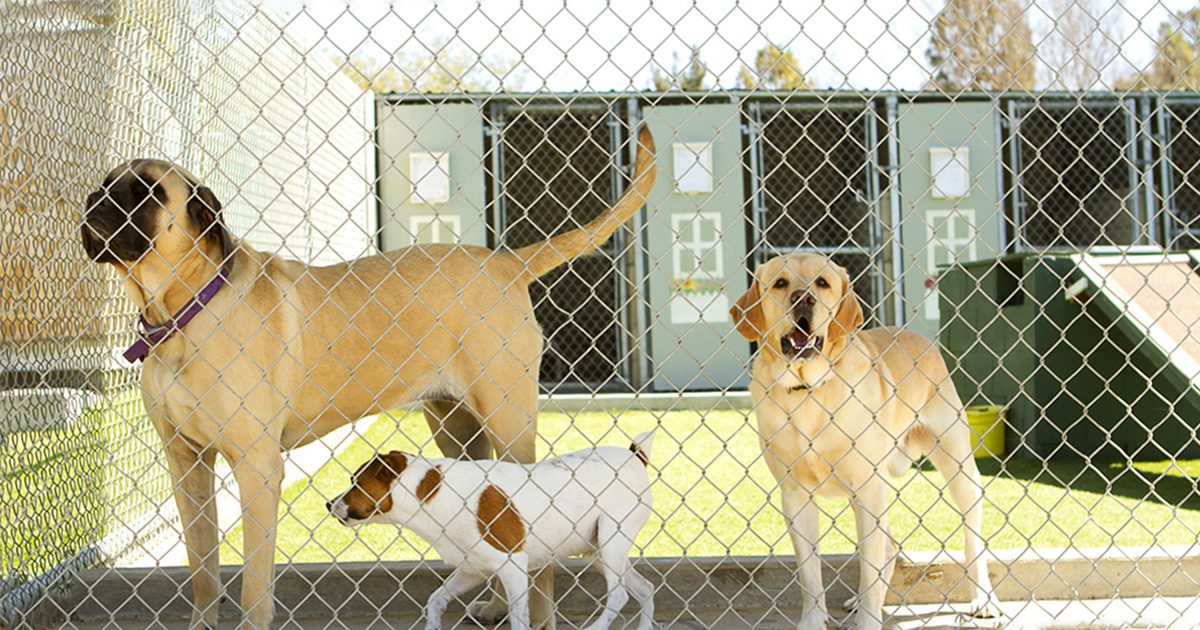
1. Expand public-education campaigns that showcase adoption benefits and responsible pet ownership.
2. Encourage partnerships between shelters, veterinarians, and trainers to provide affordable post-adoption services.
3. Promote studies on long-term welfare outcomes for adopted dogs, guiding best practices in behavioral rehabilitation and medical care.
By implementing these steps, communities can strengthen the human-animal bond and give even more shelter dogs the loving homes they wait for.