




Ferrets have steadily gained popularity as household companions, prompting many prospective owners to ask whether large pet retailers carry them. This article explores whether a leading national chain offers ferrets for sale, outlines the considerations behind such decisions, and presents practical options for anyone hoping to welcome one of these lively animals into their home.
Introduction
The retailer in question operates hundreds of locations across the country, stocking everything from everyday supplies to grooming services. Because of its visibility, shoppers often assume it will carry any species commonly kept as a pet. Understanding whether ferrets appear on its shelves helps newcomers map out the best path toward responsible adoption.
The Appeal of Sharing Life with a Ferret
Ferrets are curious, playful, and capable of forming strong bonds with humans. Yet their specialized dietary, housing, and medical needs mean that keepers must plan carefully. Anyone thinking about bringing a ferret home is encouraged to study husbandry guides, budget for veterinary care, and evaluate whether their lifestyle can accommodate an active, inquisitive pet.
Does the Chain Sell Ferrets?

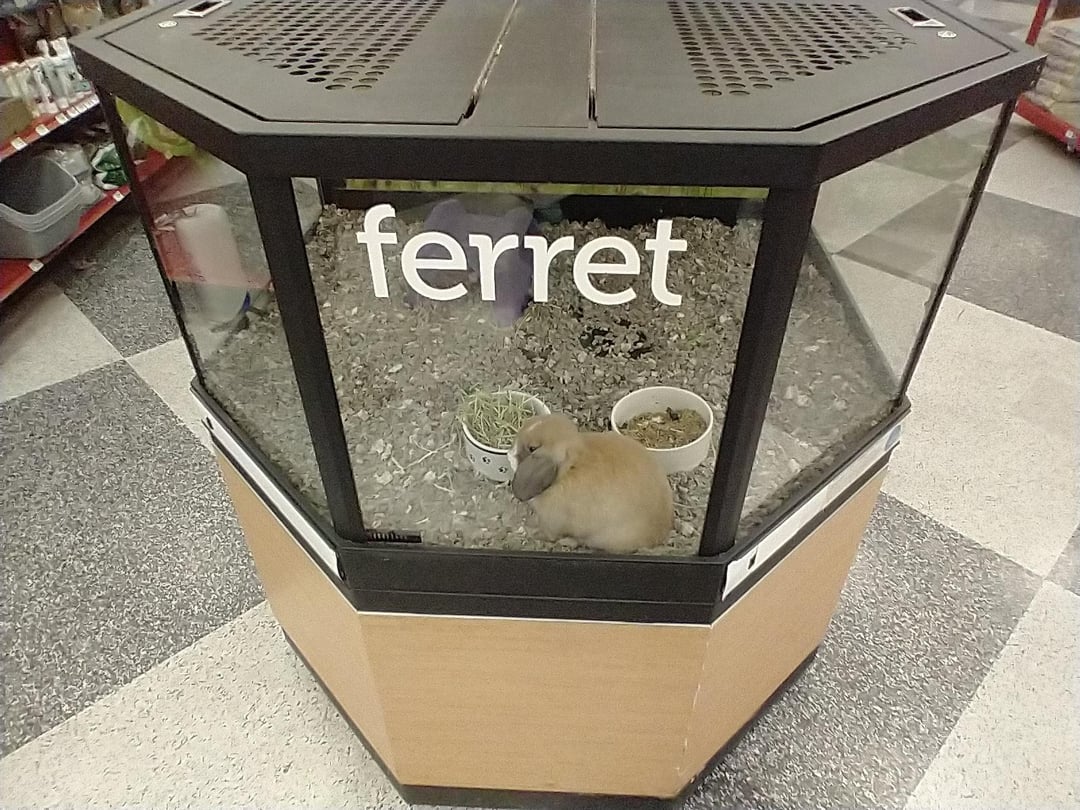
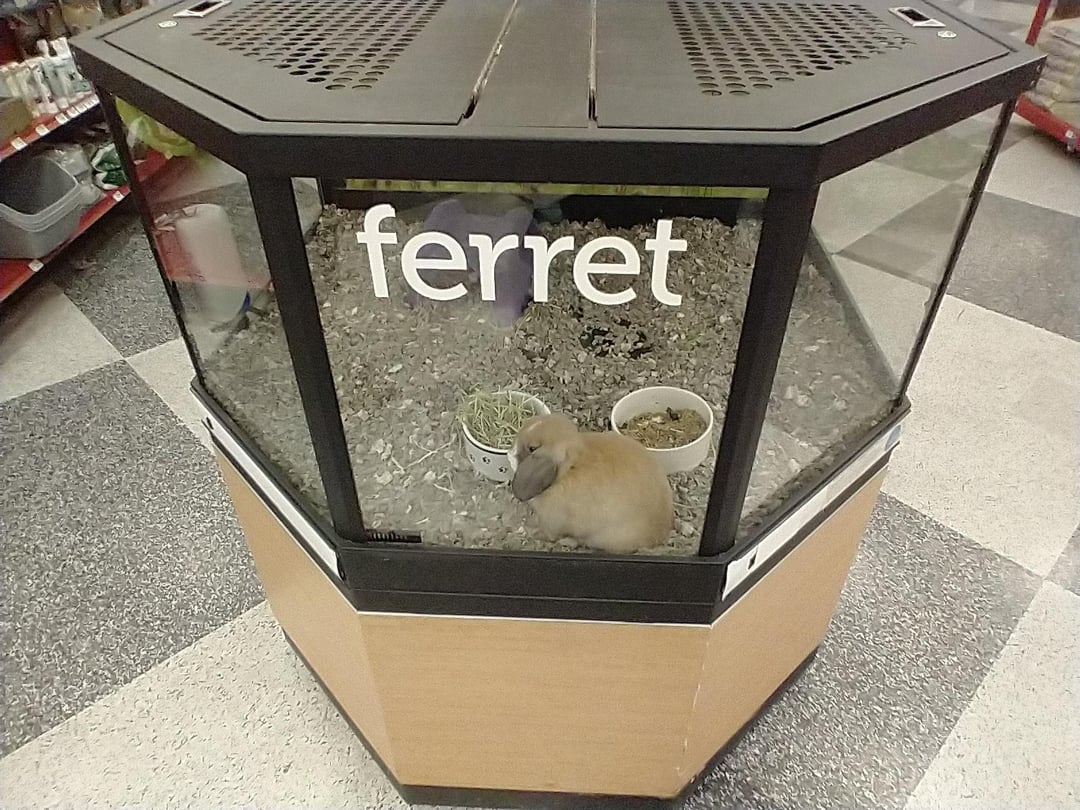
At present, the company does not include ferrets in its live-animal inventory. The choice appears to rest on multiple considerations—ranging from regional legal restrictions to internal animal-welfare protocols—rather than a single definitive cause.
Considerations Behind the Decision
1. Health and Welfare Concerns
Like any species, ferrets face certain hereditary and infectious conditions that require knowledgeable screening and ongoing care. By focusing on other small mammals already supported by established veterinary and supply networks, the retailer reduces the risk of unintended welfare gaps.
2. Core Product Focus
The chain’s live-animal departments emphasize species for which they can provide extensive onsite supplies, habitats, and staff training. Ferrets demand a different set of accessories and dietary items that are less prominent in their current merchandising mix.

3. Regulatory Complexity
Some states and municipalities impose permits, import rules, or outright bans on ferret ownership. Standardizing ferret sales across all jurisdictions would add legal layers the company appears unwilling to navigate at this time.
Paths to Responsible Ferret Adoption
Even though the retailer does not stock ferrets, several reliable avenues remain:
1. Specialized Breeders
Experienced breeders typically raise kits in home environments, ensuring early socialization and providing lifetime guidance. Ask for health guarantees, vaccination records, and references before committing.
2. Rescue Organizations and Shelters
Many ferrets lose their homes through no fault of their own and await second chances in foster care. Rescues often conduct behavioral assessments and match animals to compatible households.
3. Online Adoption Portals
Reputable websites aggregate adoptable ferrets by region, allowing users to filter by age, temperament, and medical status. Always arrange to meet the animal in person and verify the legitimacy of the listing.
Conclusion
The chain’s choice not to carry ferrets reflects a mixture of regulatory, welfare, and merchandising factors rather than a judgment on the species itself. Prospective owners can still locate healthy, well-socialized ferrets by contacting breeders, rescues, or verified online platforms. Whichever route you choose, thorough research and preparation remain the cornerstones of responsible ferret stewardship.
This overview underscores the importance of understanding both retailer policies and the lifelong commitment ferrets require. By planning ahead and sourcing animals ethically, newcomers can enjoy the unique energy and affection these small carnivores bring to a household.