



The Importance of Pet Food: A Comprehensive Analysis
Introduction
Pet food has become an essential part of daily life for animal lovers everywhere. As interest in companion animals rises, so does the desire for nourishing, safe, and convenient diets. This overview explores why thoughtful feeding matters, the main diet formats available, key nutrients, and how diet influences well-being.
The Importance of Pet Food
Balanced meals supply the energy, vitamins, and minerals that support growth, activity, and overall vitality. When nutritional needs are met, pets are more likely to stay active, curious, and content throughout every life stage.
Nutritional Value
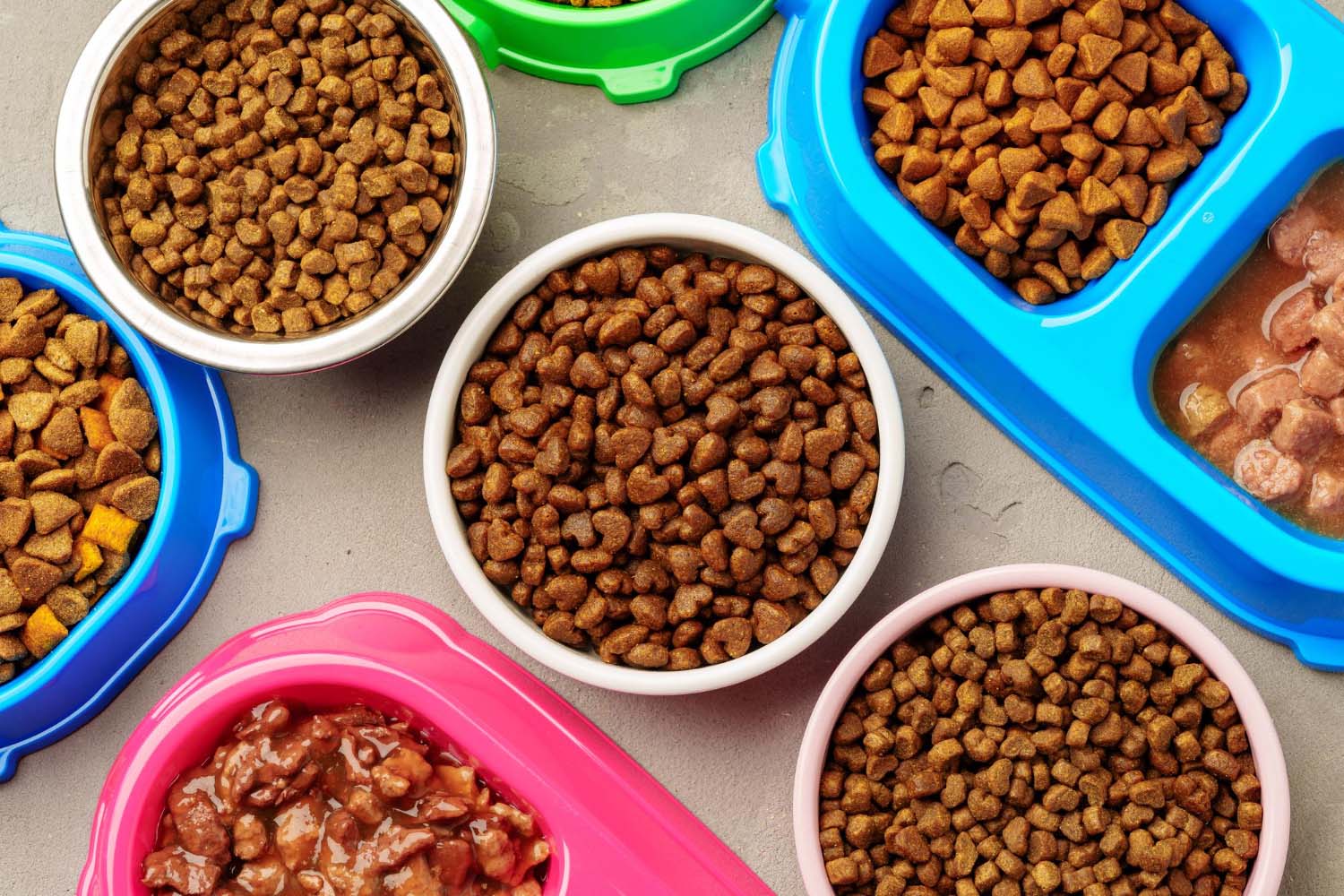
Quality diets combine proteins for tissue repair, carbohydrates for fuel, healthy fats for skin and coat, plus essential micronutrients. Together these elements sustain muscle tone, immune response, and organ function.
Health Benefits
Appropriate portions and nutrient profiles can help maintain ideal body condition, support oral hygiene, and lower the chance of common ailments such as joint stress, urinary issues, or digestive upset. A shiny coat and bright eyes are often visible rewards.
Longevity
Consistent, balanced feeding supports graceful aging. Animals that receive proper nutrition throughout life frequently enjoy more years of mobility and companionship.
Types of Pet Food
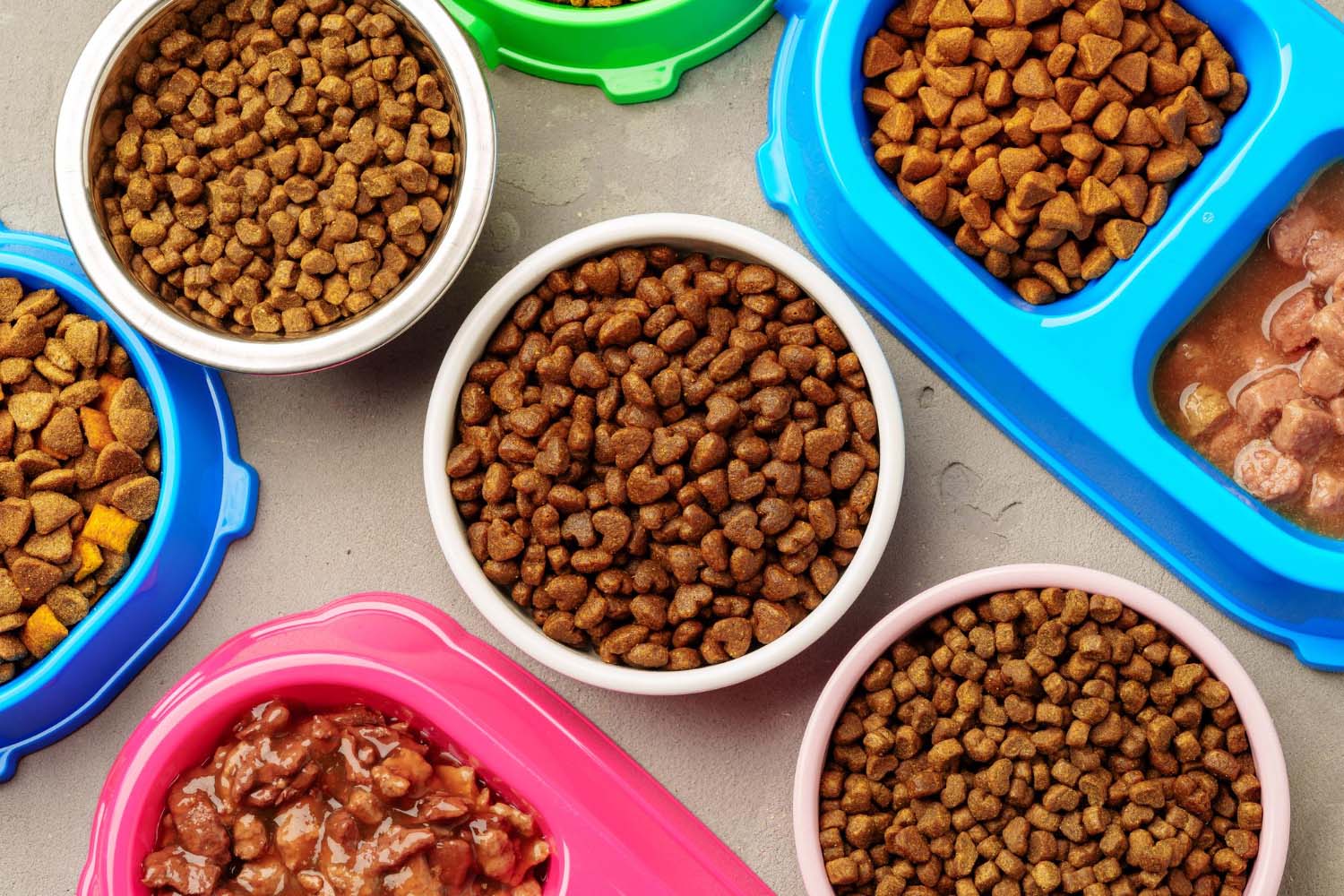
Commercial and homemade options exist to suit different preferences and lifestyles:
Dry Kibble
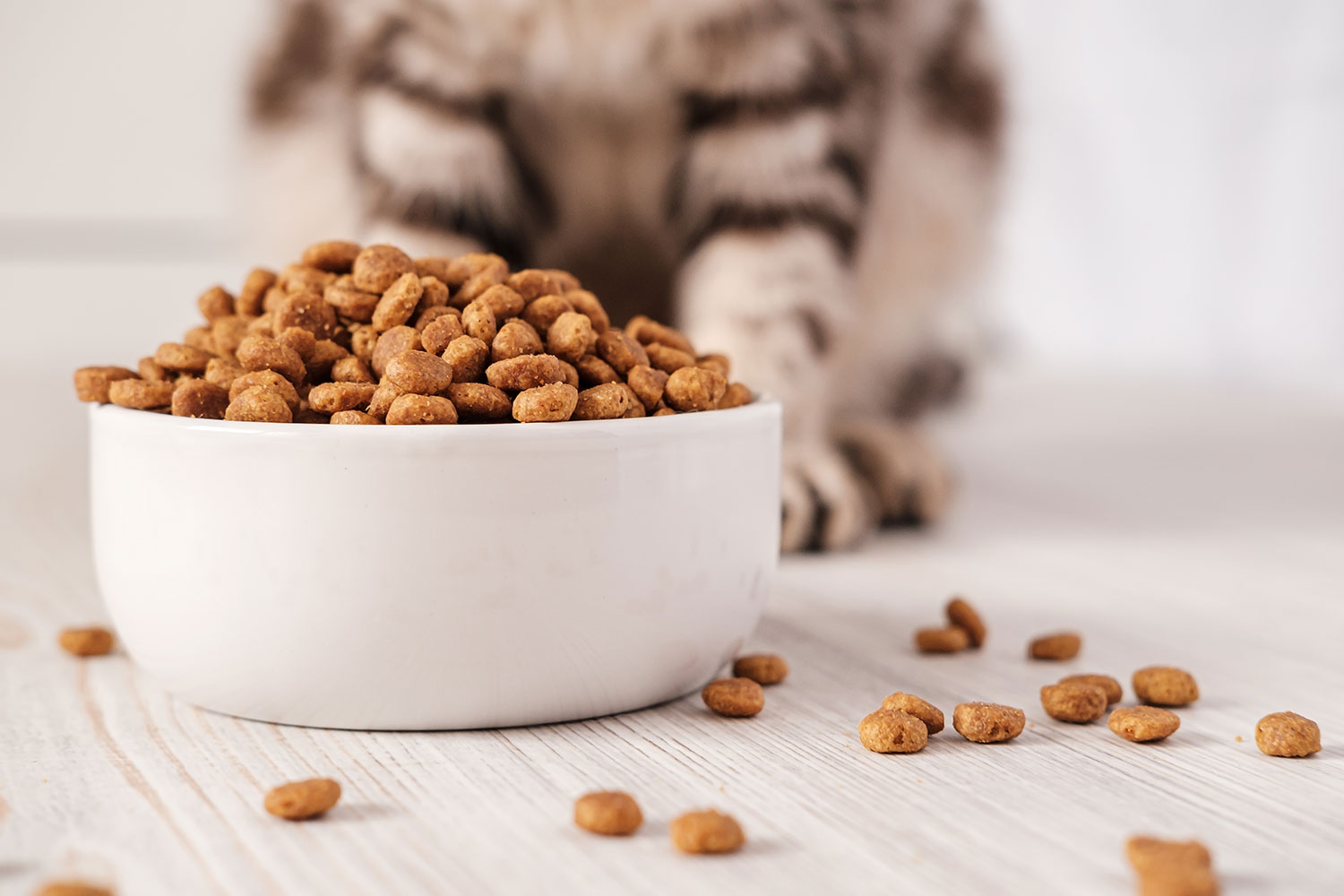
Crunchy kibble remains popular for its shelf stability, cost-effectiveness, and dental abrasion. Texture and flavor variety helps satisfy many, though some picky eaters may prefer alternatives.
Wet Canned Food
Moist diets offer higher water content, useful for pets that drink little or need extra hydration. They tend to be aromatic and palatable, yet require refrigeration after opening and can be pricier per calorie.
Raw Food Diet
Uncooked formulas typically include meat, edible bone, and organ. Advocates value minimal processing, while critics raise safety and balance concerns. Careful handling and veterinary guidance are strongly advised.
Homemade Pet Food
Cooking for a pet allows ingredient control and customization. Success depends on well-researched recipes that meet species-specific requirements; otherwise deficiencies or excesses may arise.
Nutritional Considerations
Selecting a diet should reflect the individual animal rather than marketing alone. Key variables include:
Age
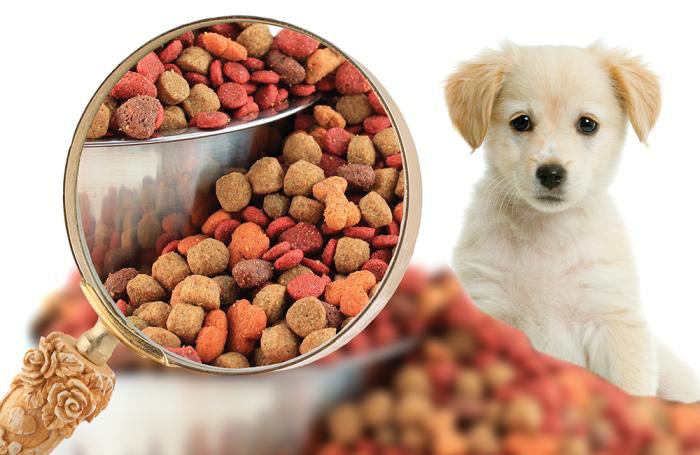
Juvenile animals need calorie-dense, nutrient-rich food to support rapid development, whereas seniors often benefit from fewer calories and added joint support.
Size and Breed
Giants and toy breeds differ in growth rate, energy density needs, and predispositions. Tailored formulas can address these variations.
Activity Level
Working, sporting, or highly playful pets burn more energy and may require higher protein or fat levels compared to couch companions.
Health Conditions
Animals with allergies, kidney concerns, or digestive sensitivity might thrive on prescription or limited-ingredient diets designed to ease symptoms.
The Impact of Pet Food on Pet Health
Consistent, balanced nutrition influences multiple body systems:
Improved Immune System
Adequate antioxidants, vitamins, and minerals help the immune system respond effectively to everyday challenges.
Weight Management
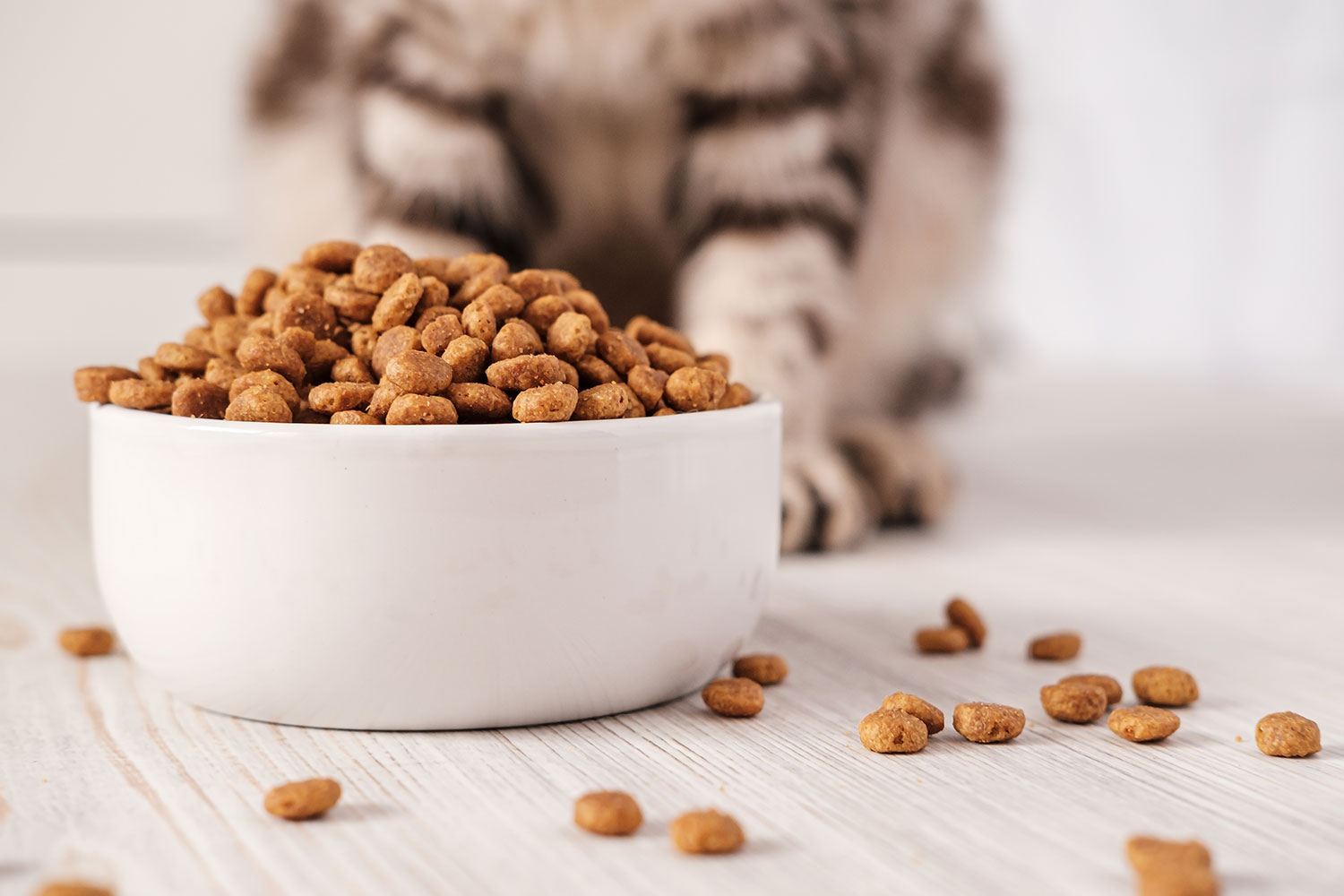
Portion-controlled, nutrient-appropriate meals make it easier to prevent excess weight that can strain joints and organs.
Reduced Risk of Chronic Diseases
Appropriate calorie intake, balanced minerals, and healthy fats contribute to stable blood values, comfortable mobility, and overall metabolic health.
Conclusion
Choosing and serving a thoughtful diet is one of the simplest yet most powerful ways to support a pet’s quality of life. By matching food type and nutrients to the animal’s age, size, and activity, caregivers can promote vitality, longevity, and daily joy for their cherished companions.