




The Importance of Local Animal Rescue: A Comprehensive Overview
Introduction
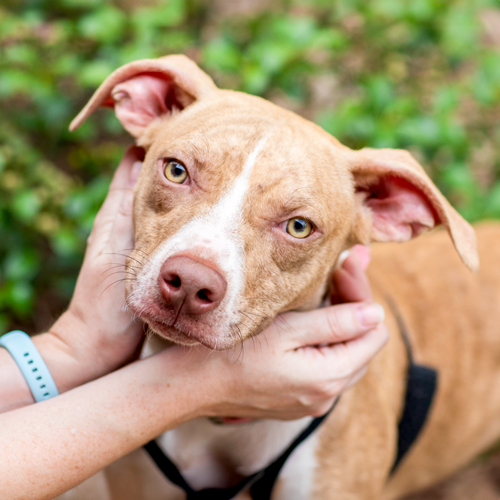
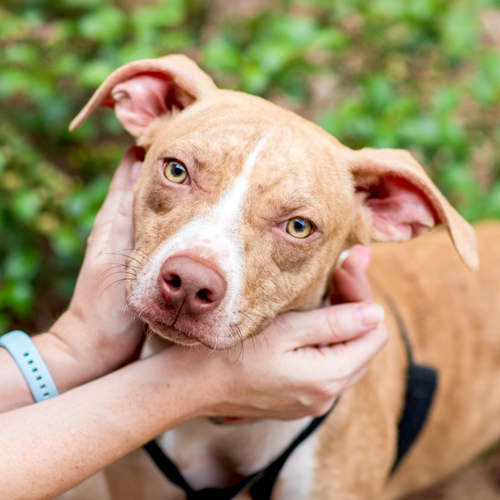
Local animal rescue groups are vital to the well-being of creatures in both cities and suburbs. When help is close at hand, injured, lost, or abandoned animals receive faster care, and residents find it easier to lend support. This overview examines why nearby rescue services matter, how they strengthen neighborhoods, and the ethical values they reflect.
The Significance of Nearby Animal Rescue
Immediate Response to Emergencies
Speed saves lives. A rescue team minutes away can stabilize an injured pet, reunite a lost dog with its family, or humanely trap a frightened cat before traffic or weather turns deadly. Rapid intervention prevents minor injuries from becoming critical and keeps small problems from escalating.
Accessibility for Community Members
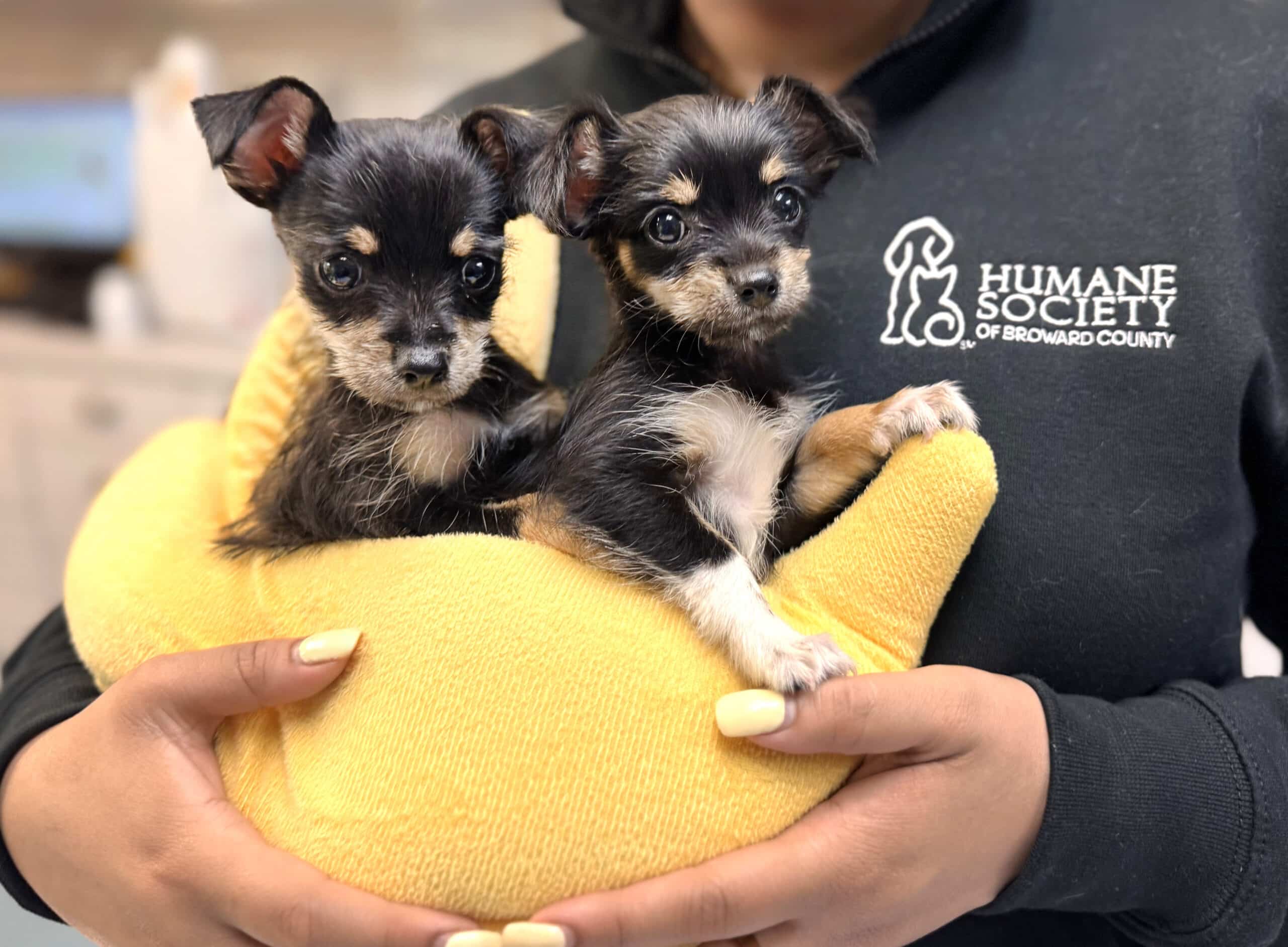
When the shelter sits just around the corner, citizens are more likely to drop off donations, sign up as volunteers, or report neglect. Convenience nurtures compassion, turning occasional concern into steady involvement that sustains long-term welfare work.
Reducing the Strain on Local Resources
Municipal agencies rarely have the staff or budget to handle every stray or welfare call. A neighborhood rescue absorbs much of that load, freeing public resources while ensuring animals still receive expert attention.
The Impact on Animal Welfare
Improved Chances of Rehoming
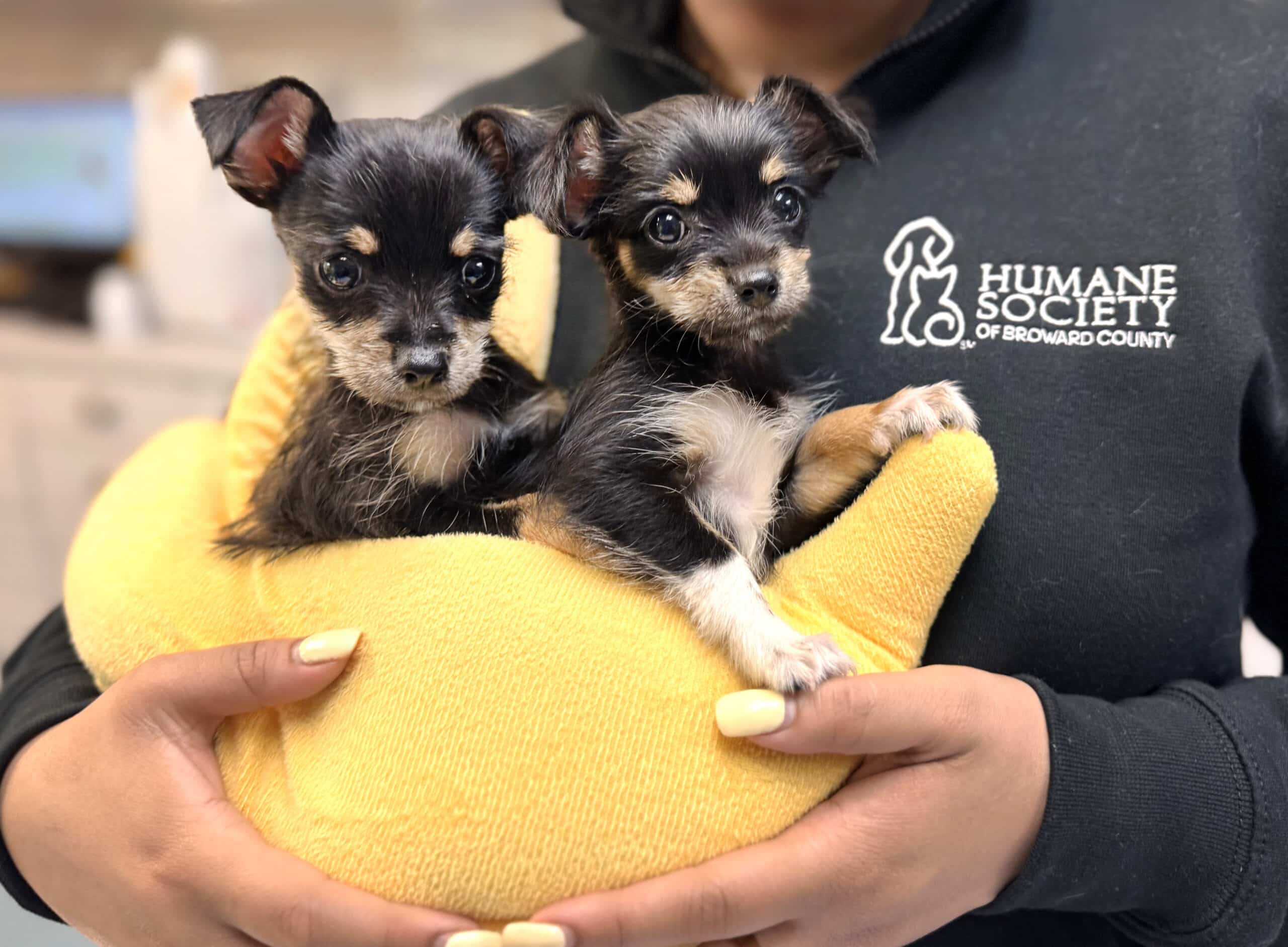
Animals brought to a nearby center begin medical checks, vaccinations, and behavior assessments sooner. Early care keeps them adoptable, shortens shelter stays, and increases the likelihood of a smooth transition to a permanent home.
Enhanced Medical Care
On-site veterinarians or partner clinics can treat wounds, run diagnostics, and start recovery plans immediately. Prompt treatment reduces suffering, lowers long-term costs, and gives each animal the best possible fresh start.
Reduced Stress and Trauma
Shorter travel times and quicker handling mean less fear, dehydration, and exposure to extreme temperatures. Calmer intake procedures lay the groundwork for faster emotional healing and more successful socialization.
Community Engagement and Social Responsibility
Building Stronger Communities
Shared rescue efforts unite neighbors around a common, heart-warming goal. Collaborative events—adoption days, foster drives, or fundraising walks—create friendships across age groups and cultures, weaving a tighter social fabric.
Education and Awareness
Local centers host school visits, low-cost vaccination clinics, and talks on responsible guardianship. These programs spread knowledge about spaying, neutering, and enrichment, gradually reducing the cycle of abandonment.
Ethical Considerations
The Right to Life
Proximity to rescue services affirms that every creature deserves a chance at safety and comfort. It shifts society from passive observation to active protection of sentient lives.
The Role of Humans in Animal Welfare
Domestic animals depend on human choices. By supporting nearby shelters, people acknowledge that caregiving is a shared duty, not an optional kindness.
Conclusion
Accessible rescue networks transform individual acts of kindness into a systematic safety net for animals and a unifying project for communities. Faster emergency aid, higher adoption success, and daily educational outreach all flow from having help close at hand. Continued public and private support will keep this lifeline strong.
Recommendations and Future Research
To magnify these benefits, communities can:
1. Expand stable funding streams for neighborhood rescue operations.
2. Integrate humane education into school and civic programs.
3. Formalize cooperation between rescue groups, veterinarians, and municipal agencies.
Future studies could explore:
1. How sustained rescue presence influences neighborhood cohesion over time.
2. The economic ripple effects of adoption events and veterinary spending.
3. Which operating models work best in dense cities versus spread-out suburbs.
Pursuing these practical steps and research questions will further elevate animal welfare and enrich the communities that protect them.