




Cockapoo Puppies: A Friendly Guide
Introduction
The Cockapoo, a cheerful cross between the Cocker Spaniel and the Poodle, has become a beloved companion in many households. Known for their playful spirit, low-shedding coat, and adaptable size, these puppies appeal to first-time owners and seasoned dog lovers alike. This guide outlines what to expect when welcoming a Cockapoo into your life, from breed traits to everyday care.
Breed Characteristics
Appearance
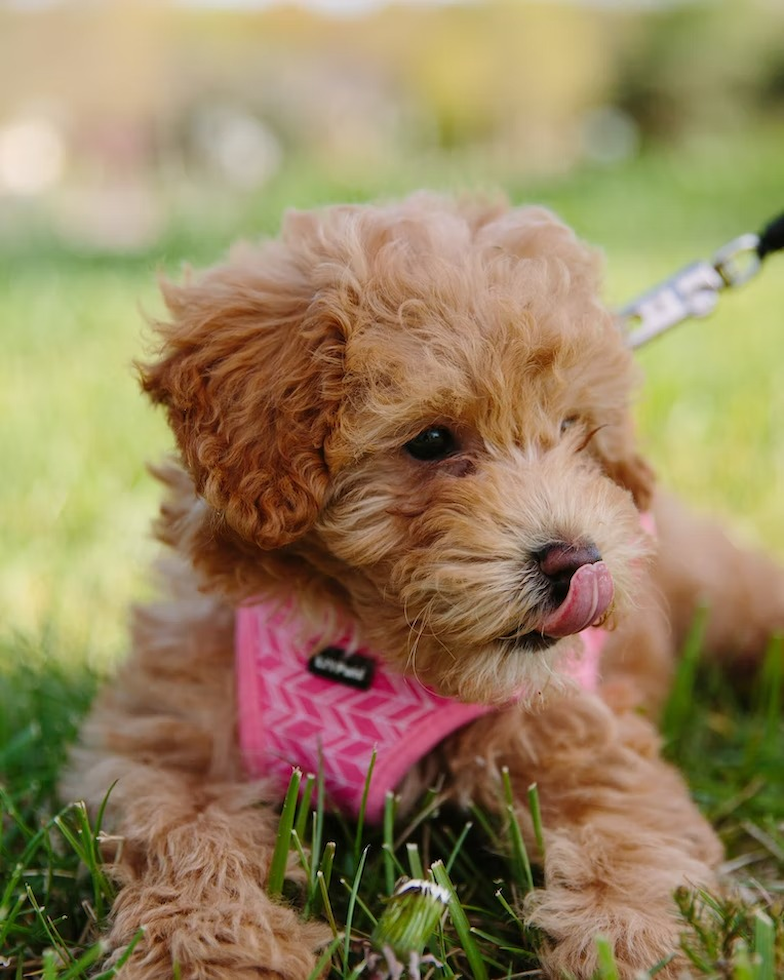
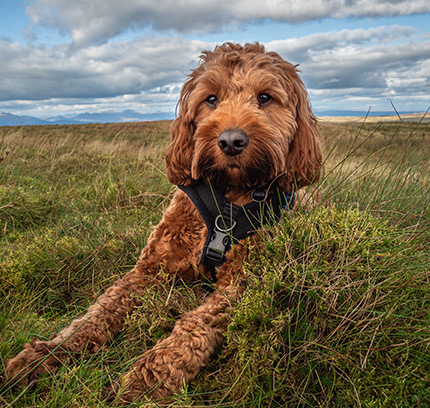
Cockapoos sport a soft, wavy coat that may range from loose curls to gentle waves. Colors vary widely—think cream, chocolate, phantom, or parti—while eyes sparkle with curiosity. Their compact, well-proportioned frame gives them an eternally puppy-like look.

Temperament
These dogs thrive on human interaction. Eager to please and quick to learn, they fit easily into homes with children, seniors, or other pets. Their moderate energy level suits both apartment living and houses with yards, provided they receive daily attention and play.
Health
While generally robust, Cockapoos can inherit issues common to their parent breeds—such as ear infections, luxating patella, or progressive retinal atrophy. Choosing a breeder who screens for these conditions and scheduling regular vet visits will help keep risks low.
Finding Your Puppy
Adoption Process

1. Research: Look for breeders or rescue groups that prioritize health testing, early socialization, and transparent records.
2. Visit: Arrange to meet the litter in person. Observe cleanliness, interaction with people, and the dam’s temperament.
3. Health Records: Request documentation of vaccinations, deworming, and parent clearances.
4. Compatibility: Spend time with each puppy to gauge energy level and confidence, ensuring a good match for your lifestyle.
5. Agreement: Review contracts for spay/neuter terms, return policy, and lifetime support.
Online Resources
Reputable national databases list available puppies and adult rescues. Filter by location, size, and color, then cross-check reviews and references before committing.
Tips for Happy Ownership
Training
Begin gentle, reward-based lessons the day your puppy arrives. Short, fun sessions build focus and prevent boredom. Introduce new sights, sounds, and surfaces weekly to cultivate a confident adult dog.
Grooming
Brush two to three times a week to prevent tangles; professional trimming every six to eight weeks keeps the coat manageable. Clean ears after baths, trim nails monthly, and brush teeth several times a week.
Diet
Offer age-appropriate, high-quality kibble or wet food divided into two meals. Measure portions to avoid overfeeding, and limit treats to ten percent of daily calories. Fresh water should always be available.
Exercise
Two brisk walks plus a play session satisfy most Cockapoos. Puzzle toys, scent games, and short training drills provide mental workouts that curb unwanted chewing or barking.
Conclusion
A well-bred, well-socialized Cockapoo can bring laughter and loyalty for years. By selecting a responsible source, committing to positive training, and meeting grooming and exercise needs, you lay the groundwork for a rewarding friendship.

Future Research
Studies tracking hereditary health trends and the benefits of early enrichment could further improve the well-being of future generations. Owners can contribute by keeping accurate health records and sharing outcomes with breed clubs and veterinarians.