



The Appeal of Pug Puppies: A Friendly Guide
Introduction
Few sights melt the heart faster than a wrinkle-faced Pug pup trotting across the living-room floor. Their comical expressions, easy-going nature, and portable size have turned this ancient companion breed into a modern-day favorite. Below, we take a relaxed tour through what makes Pug puppies so endearing and what future guardians should keep in mind.
The Pug in a Nutshell
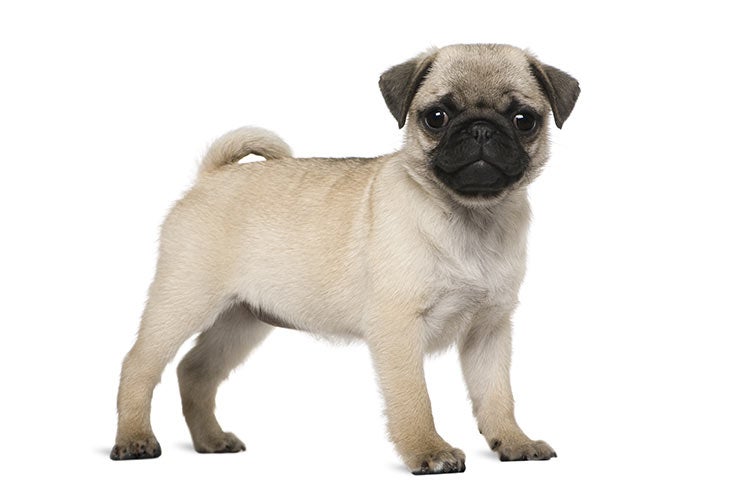
Small yet sturdy, the Pug carries a centuries-old legacy as a devoted lap dog. Legend places the breed in the palaces of Asia, later charming European courts and, eventually, family sofas around the world. A short coat, curled tail, and unmistakably flat muzzle give the Pug its signature silhouette, while an even temper and love of human company explain its lasting popularity.
Trademark Traits of Pug Puppies
Appearance
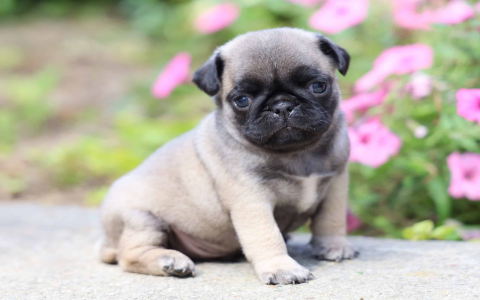
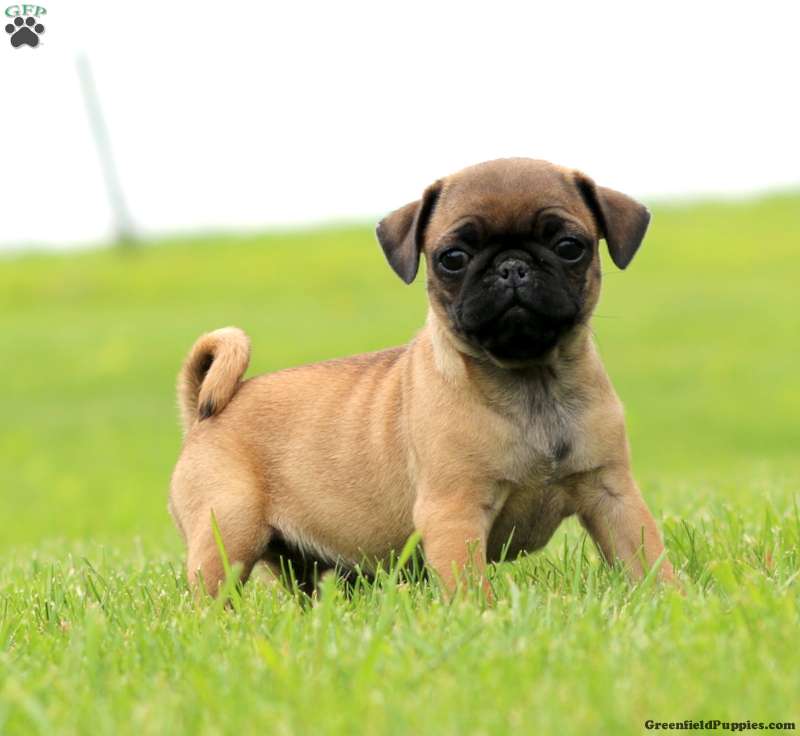
Pug babies arrive with velvety, short hair that may deepen in shade as they mature. Common colors include fawn and black, often accented by a darker mask. Their round, dark eyes and softly folded forehead create the “permanent puppy” look that wins smiles wherever they go.
Personality
Expect a social butterfly. Pug pups crave company, whether from people, other dogs, or even feline housemates. They shadow their favorite humans from room to room, offer gentle comic relief with snorts and snuffles, and generally prefer cuddling to prolonged solitude.
Health Awareness
Like any purebred, Pugs carry predispositions new owners should understand. Breathing noises, skin fold maintenance, and eye lubrication often top the list of daily care points. Regular vet visits, sensible exercise, and keeping a healthy weight go a long way toward a comfortable, happy life.
Why Families Fall for Pugs
Instant Visual Charm
The breed’s “smushed” face and rolling gait are hard to ignore. One look at a Pug pup tilting its head in curiosity and most people understand the hype.
Loyal Temperament
Pugs bond quickly and forgive easily. Their default setting is affection, making them reliable buddies for respectful children, busy singles, or seniors seeking a low-impact shadow.
Trainability

Food motivation plus people-pleasing instincts equal straightforward lessons. Short, upbeat sessions work best; harsh corrections are unnecessary and counter-productive.
Lifestyle Flexibility
From city apartments to suburban homes, Pugs adapt. A couple of brisk walks and indoor play sessions satisfy their moderate energy needs, while their compact size simplifies travel and housing restrictions.
Choosing Responsibly
Popularity can attract profit-driven breeders. Prospective guardians should meet at least one parent, verify health screenings, observe clean facilities, and walk away if something feels off. Ethical breeders welcome questions, provide life-time support, and never push a sale.
Closing Thoughts
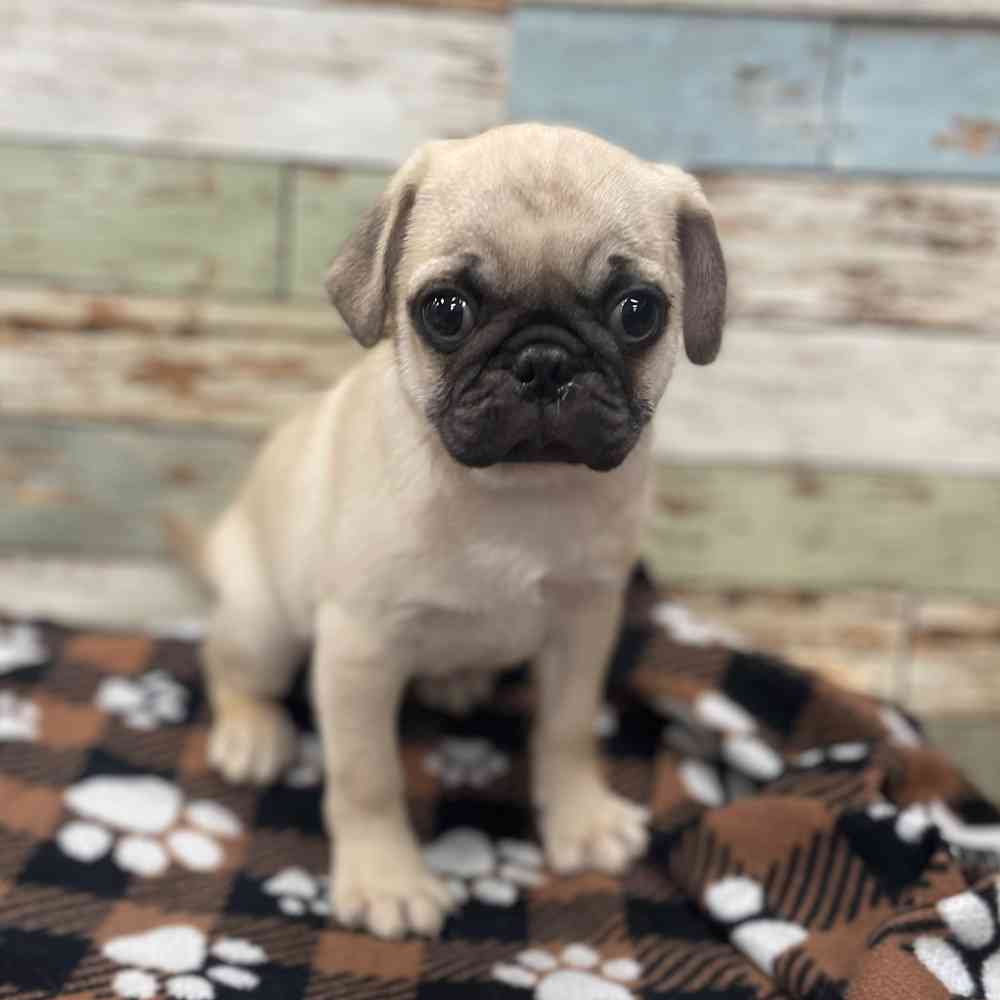
A Pug puppy can bring years of laughter, comfort, and companionship. Understanding the breed’s quirks, committing to preventive healthcare, and sourcing from a caring breeder set the stage for a rewarding friendship that often spans well over a decade.
Looking Ahead
Ongoing studies into respiratory health, weight management, and early socialization continue to refine best practices for Pug welfare. By staying informed and sharing knowledge, the community can help future generations of these lovable dogs thrive in the homes that adore them.