
Title: The Craft and Care Behind Breeding English Bulldogs in the Northeast
Introduction:
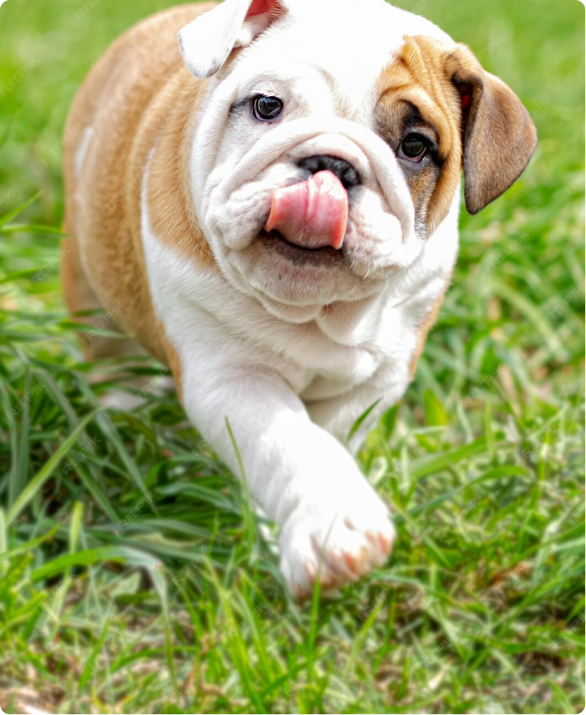
The English Bulldog, instantly recognizable by its wrinkled face and steady temperament, has captured hearts across the country. In the northeastern United States, a quiet community of enthusiasts has turned a personal passion into a mission for healthier, happier dogs. This article explores how thoughtful breeding methods, community support, and ongoing education shape the future of the breed, emphasizing why ethical practices matter more than ever.
The History and Enduring Appeal of English Bulldogs
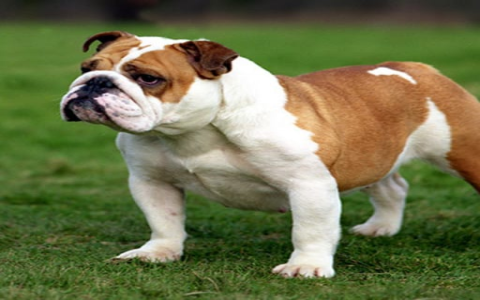
Originally bred in the British Isles for tenacity, the bulldog later transitioned from arena to armchair, becoming a symbol of resilience and companionship. Over centuries, selective breeding softened its edge while preserving its iconic look and gentle disposition. Today, the breed ranks among the most beloved family dogs, valued for loyalty, patience, and an unmistakable silhouette.
In the Northeast, generations of caretakers have refined these qualities, balancing tradition with modern veterinary insight. Their shared goal: keep the spirit of the bulldog intact while steadily improving everyday quality of life.
The Role of Dedicated Bulldog Enthusiasts
Responsible stewards of the breed focus on four pillars:

1. Preventive Health Care: Before any mating occurs, dogs receive cardiac, respiratory, and orthopedic evaluations. Clear records help avoid passing on avoidable conditions.
2. Thoughtful Pairing: Matches are made with temperament, genetic diversity, and structural soundness in mind, not simply appearance.
3. Early Socialization: Puppies grow up around everyday household sights and sounds, building confidence that eases the transition to new homes.
4. Lifetime Guidance: New owners receive feeding charts, exercise tips, and an open door for questions—support that continues long after adoption day.
Obstacles Along the Way
Even the most committed caretakers encounter hurdles:
1. Inherited Health Issues: Flat faces and compact frames can bring breathing or joint concerns. Continuous health testing and transparent record-keeping remain the best defense.

2. Unethical Competition: Quick-buck operations skip health screenings and proper socialization, flooding the market with puppies that may develop costly problems.
3. Public Misconceptions: Viral photos of extremely wrinkly or overweight dogs can unintentionally promote unhealthy ideals, making education a constant need.
Why Ethical Practices Matter
Following rigorous standards delivers clear benefits:
1. Preservation Without Stagnation: Breed type is maintained while genetic variety is quietly expanded, reducing the risk of inherited disease.
2. Stronger Bonds, Fewer Vet Bills: Healthier puppies grow into resilient adults, sparing families emotional stress and financial strain.
3. Community Trust: Consistent transparency builds a loyal network of owners, veterinarians, and trainers who advocate for the breed.

Positive Ripples in the Region
Thanks to these collective efforts, the northeastern bulldog community reports noticeable gains:
1. Improved Vitality: Average lifespans inch upward, while chronic issues become less common in well-documented bloodlines.
2. National Recognition: Prospective owners now travel from distant states, confident in the region’s reputation for robust, well-socialized pups.
3. Wider Education: Local clubs host meet-ups, webinars, and shelter-support days, spreading knowledge beyond their own kennels.
Conclusion:
Raising healthy English Bulldogs is equal parts patience, science, and heart. In the Northeast, a network of diligent caretakers continues to refine best practices, proving that informed passion can secure a brighter future for an iconic companion. As interest in the breed grows, collaboration among breeders, owners, and veterinarians will remain the surest path to preserving the bulldog’s cherished traits for decades to come.