
Title: Which Nations Offer the Smoothest Path to Adoption: A Practical Overview
Introduction
Building a family through adoption is a journey shaped by laws, culture, and personal readiness. For future parents, deciding where to adopt can feel overwhelming, because every country handles the process differently. This overview compares several nations often described as “straightforward” by social-work professionals, focusing on three practical yardsticks: paperwork, average wait, and day-to-day cultural openness.
Legal Procedures and Waiting Times
Clear legislation and predictable timelines usually make the biggest difference. When courts publish step-by-step checklists and stick to them, families experience less delay and anxiety. Conversely, opaque or frequently changing rules can stretch an already emotional process.
The United States: A Structured Domestic Option
Many residents find adopting within the United States manageable thanks to well-documented stages—home study, background review, and final court hearing—supported by licensed agencies in every state. Although the calendar can still fluctuate, most placements occur within one to two years, especially when parents are open to a wide age range.
Because each state runs its own system, hopeful parents can compare requirements and choose a jurisdiction whose timeline and support services fit their comfort level.
Canada: A Streamlined, Child-Centered Framework
Canada’s provincial programs emphasize early matching and post-placement support. Domestic matches frequently move from initial paperwork to placement in roughly a year, while international cases add a few extra months for immigration steps. Social workers praise the country’s consistent training classes and transparent fee schedules.
Options range from public, government-facilitated adoptions to private and inter-country arrangements, all governed by federal principles that prioritize the child’s long-term stability.
South Korea: A Long-Established International Program
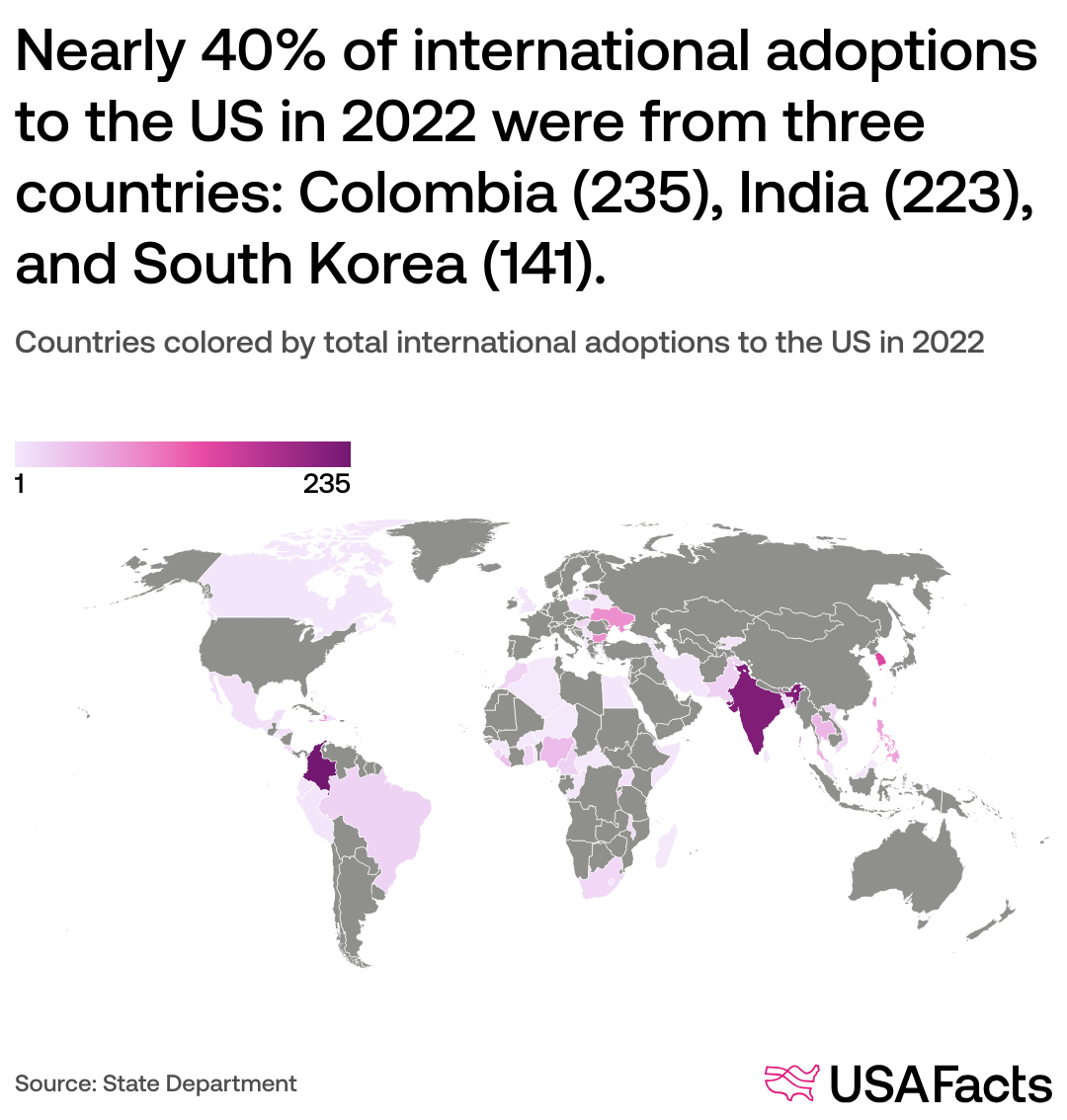
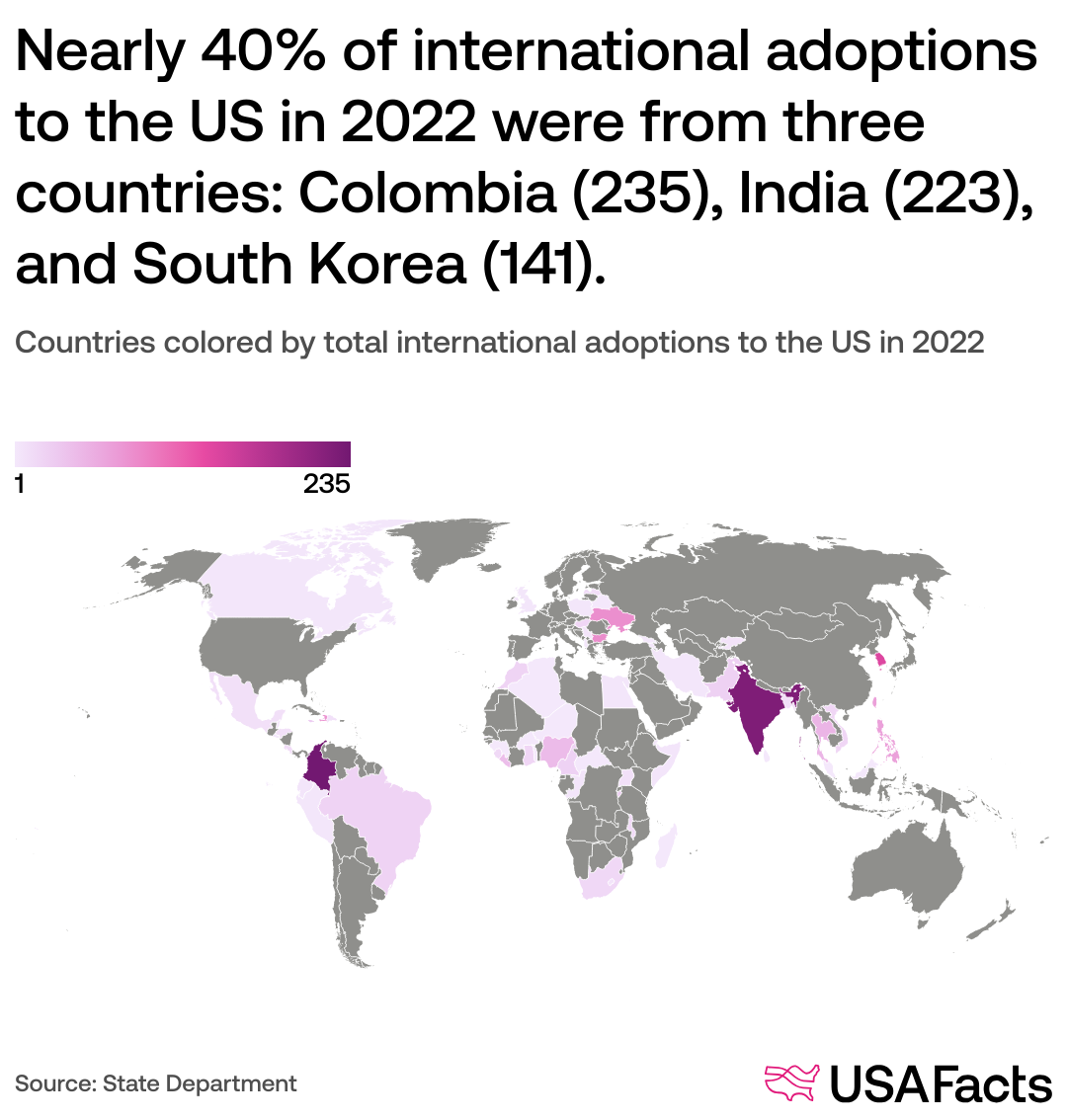
South Korea’s overseas adoption system has operated for decades, giving it mature protocols and English-speaking liaisons. Families typically wait about two years, a figure that has held steady because the country caps annual caseloads to maintain quality control.
Applicants complete a home study, attend a short cultural course, and receive regular updates on the child’s medical and developmental progress before travel is approved.
Guatemala: A Cautionary Example
Guatemala once processed many international cases, but reforms aimed at stronger child protection have slowed the pipeline. Today, only a handful of applications move forward each year under tight oversight, and timelines can be unpredictable. Prospective parents are advised to monitor official bulletins and work only with agencies approved by both governments.
Conclusion
No single country guarantees a “quick” adoption, but some offer clearer road maps than others. The United States, Canada, and South Korea remain popular for their predictable steps and robust support networks, while Guatemala illustrates how policy shifts can suddenly reshape accessibility.
Ultimately, the best choice aligns with a family’s timeline, risk tolerance, and willingness to engage with another culture. Thorough research, licensed guidance, and realistic expectations remain the surest compass for the journey ahead.