


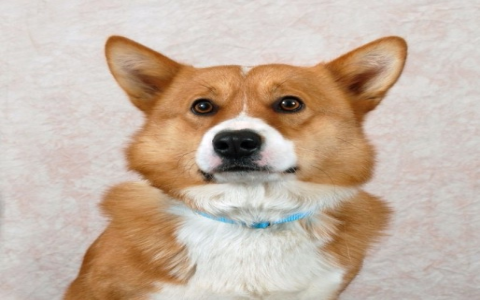

Title: The Thriving World of Corgi Breeders in the Heartland
Introduction:
The Corgi, instantly recognizable for its short legs and bright expression, has trotted into the hearts of dog lovers everywhere. In the nation’s heartland, gentle farmland and open skies provide an inviting backdrop for devoted enthusiasts who have turned their passion into a way of life. This article steps inside that world, celebrating the commitment of regional Corgi breeders and the ripple effect they create across the wider dog community.
The History and Popularity of Corgis in the Region
Originally herding cattle in the hills of Wales, the Corgi later charmed its way onto farms and into family homes across the ocean. Wide pastures and moderate seasons in this part of the country suit the breed’s love of activity and human company. National registries consistently place Corgis among the top twenty favorite breeds, and local kennels have contributed to that steady rise by placing healthy, socialized puppies in homes from coast to coast.
The Passionate Breeders Behind the Scenes
From retired teachers to fourth-generation farmers, the people who dedicate themselves to Corgis share one trait: an unshakable belief that every litter should leave the world better than they found it. They study pedigrees, welcome whelping nights, and treat each dog as family long before it joins a new household.
A longtime breeder explains, “Corgis have a spark that’s hard to describe until you live with one. They’re clever, cheerful, and always a little bit convinced they’re in charge. That combination wins people over fast.”
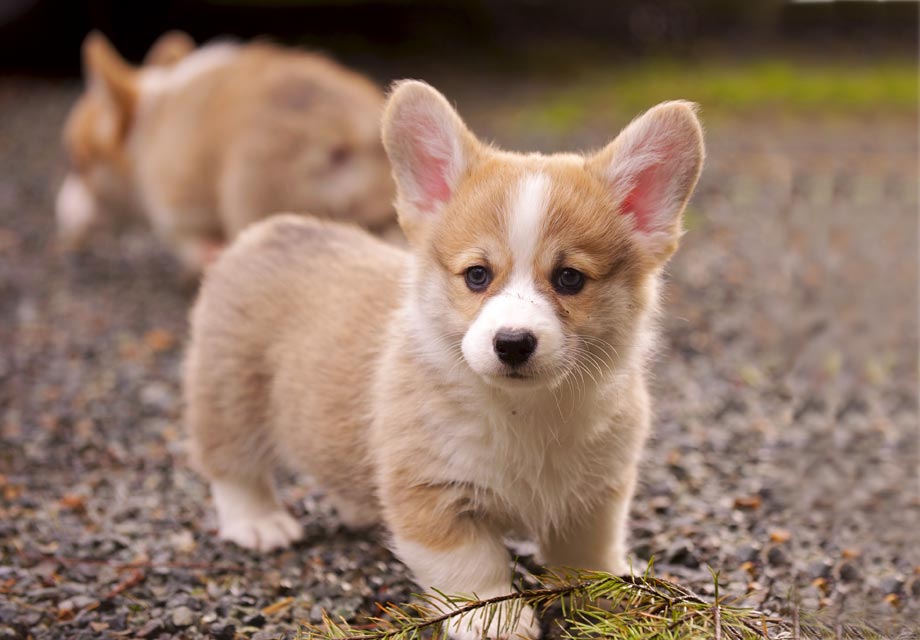
The Challenges and Responsibilities of Raising Corgis
Producing sound, happy dogs is never effortless. Breeders balance science, ethics, and economics every day:
– Health screening: Hip evaluations, eye checks, and DNA panels help reduce the risk of inherited conditions common to the breed.
– Daily welfare: Puppies grow in clean spaces, receive early neurological stimulation, and meet a variety of people, noises, and surfaces before heading home.
– Market shifts: Trends come and go, but reputable programs refuse to compromise on health or temperament, even when demand spikes.
“It’s a lifestyle, not a shortcut,” another veteran notes. “We’re here to protect the dog first, satisfy people second, and only then think about anything else.”
The Ripple Effect on the Local Community
Beyond the kennel gate, these breeders strengthen the region in quiet ways. Veterinary clinics, feed stores, groomers, and trainers all benefit from responsibly planned litters. Educational booths at county fairs and meet-the-breed events raise awareness about adoption, training, and lifelong care. When families leave with a well-bred puppy—or choose rescue after learning what to expect—everyone, including the dogs, wins.

Looking Ahead
Advances in genetic testing, whelping cameras, and cooperative health databases give today’s breeders tools their predecessors could only dream of. By sharing data and mentoring newcomers, the community hopes to shrink the incidence of hereditary disease while preserving the spirited nature that defines the breed. Tomorrow’s goal is simple: healthier pups, happier homes, and a legacy that endures for generations.
Conclusion:
In kennels tucked between cornfields and quiet suburbs, a network of devoted caretakers keeps the Corgi’s heritage alive. Their patience, curiosity, and refusal to cut corners ensure that each stub-tailed puppy carries forward the best of the breed. As interest continues to grow, these heartland stewards will keep guiding the way—one wagging rear at a time.