



The Impact of Cat Deterrents: A Comprehensive Overview
Introduction
As more households welcome cats, interest in gentle deterrents has grown. These tools are intended to keep cats away from selected zones such as flowerbeds or balconies. While their popularity is rising, opinions differ on how they affect feline welfare and daily life. This overview examines the main advantages, possible downsides, and current thinking on safe use.
The Purpose and Function of Cat Deterrents
Purpose of Cat Deterrents
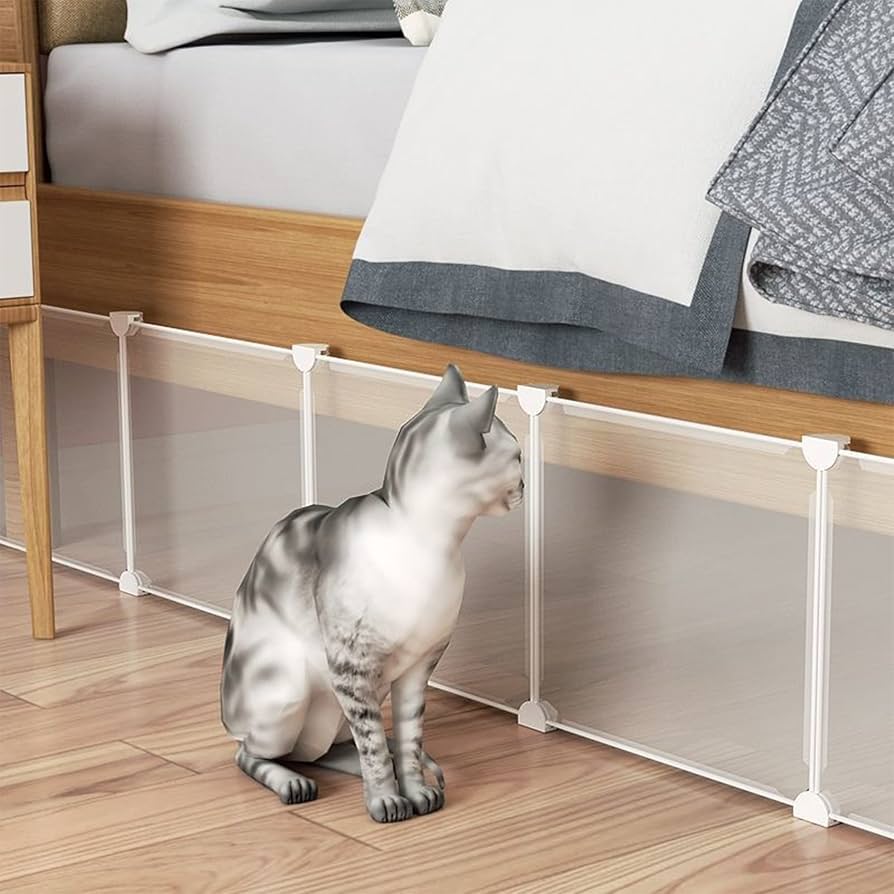
Cat deterrents help owners guide pets away from places where they might scratch, dig, or rest. Common spots include vegetable patches, children’s sandpits, and open windows. The goal is to reduce mess, protect wildlife, and maintain peace among household animals.
Function of Cat Deterrents
Most devices rely on motion sensors that trigger brief bursts of ultrasound, sudden puffs of air, or mild citrus scent. Cats find these sensations disagreeable yet harmless, so they learn to avoid the protected zone. Battery-powered stakes, plug-in units, and sachets are the usual forms.
Benefits of Cat Deterrents
Preventing Property Damage
By discouraging scratching and digging, deterrents spare furniture, carpets, and young plants. This saves owners time and money on repairs or replacements.
Reducing Disturbances to Other Pets
A gentle barrier can stop curious cats from startling rabbits, birds, or elderly dogs, leading to calmer shared spaces.
Enhancing Safety
Keeping cats away from roads, tool sheds, or ponds lowers the chance of accidents, giving owners extra peace of mind.
Drawbacks of Cat Deterrents
Effectiveness Concerns
Some cats ignore the stimulus after repeated exposure, especially if food or shelter lies beyond the barrier. Weather and battery life can also weaken performance.
Human and Pet Uncomfortability
Occasional users report that the clicking sound of motion sensors startles timid dogs or young children. Scent-based products may bother people sensitive to fragrance.
Environmental Impact
Battery disposal and plastic casings add to household waste. Choosing rechargeable or solar models can lessen the footprint.
Scientific Evidence
Ultrasonic Sound and Cat Behavior
Small-scale trials indicate that ultrasound can reduce feline visits to marked areas, but results vary with individual temperament and the layout of the space. More data are needed on long-term habituation.
Alternatives to Cat Deterrents
Providing a dedicated digging box, planting cat-repelling herbs, or using positive clicker training are gentle options that work well for some households.
Conclusion
Cat deterrents offer a non-invasive way to set boundaries, yet they are not fool-proof. Owners who combine devices with enrichment and patient training often see the best outcomes. Continued observation and adjustment remain key to balancing home protection with feline wellbeing.
Recommendations and Future Research
Recommendations
Test any device on a low setting first, watch your cat’s reaction, and move the unit if signs of stress appear. Rotate deterrent types periodically to prevent habituation and pair them with attractive alternatives such as a scratching post or outdoor perch.
Future Research
Studies could compare solar, battery, and scent models over longer periods, record effects on multi-pet households, and measure waste reduction when recyclable materials are used. Exploring reward-based training as a complementary approach would also benefit many owners.
By staying informed and flexible, caregivers can choose strategies that respect both their property and their cat’s natural curiosity, fostering a relaxed environment for everyone involved.