



Title: The Impact of Feline Rescue Networks on Animal Welfare and Community Engagement
Introduction
A growing network of volunteer-driven feline rescue groups is transforming how cats and kittens are cared for across the country. Rooted in compassion and practical action, these coalitions have become powerful catalysts for better animal welfare and stronger neighborhood bonds. This article examines how their combined efforts save lives, educate the public, and inspire lasting community involvement.
The Mission Behind the Movement
At its core, the movement seeks to ensure that no healthy or treatable cat is euthanized for lack of space or resources. Teams achieve this by prioritizing adoption, accessible sterilization services, and proactive outreach. By tackling overpopulation at the source, they envision a future where every feline is valued and housed safely.
Adoption Programs
Weekly adoption events, pop-up meet-and-greets at local cafés, and curated online profiles connect cats with prospective guardians. Partner shelters share photos and stories, widening the pool of potential adopters and easing pressure on crowded facilities.
Each adoption follows a consistent routine: an application, a friendly conversation to match lifestyles, and guidance on settling the new pet at home. This careful matching reduces returns and helps cats stay in loving homes for life.
Spaying and Neutering Programs
High-volume, low-cost sterilization clinics are hosted monthly in church halls, community centers, and mobile surgical units. Pet owners book slots online, drop off their cats in the morning, and collect them after lunch—often leaving with vouchers for free vaccines or microchips.
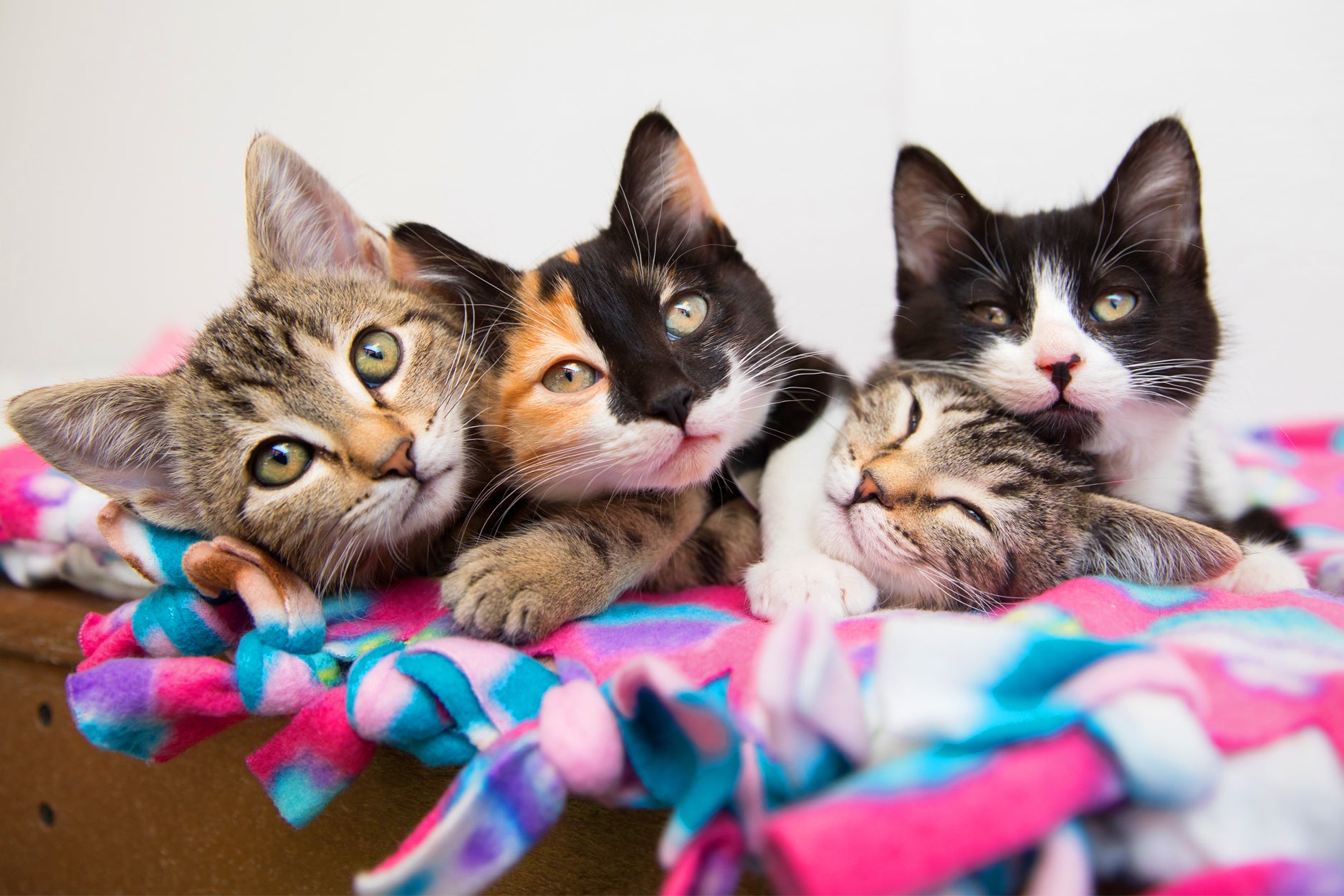
Neighborhoods that host regular clinics report fewer stray litters and quieter nights, as roaming and mating behaviors decline. Local veterinarians donate time, while grants cover equipment and anesthesia, keeping the service affordable for everyone.
Community Engagement
From weekend craft fairs with adoptable kittens in decorated pens to after-school clubs where children make toys for shelter cats, outreach takes many forms. Volunteers table at farmers markets, run social-media photo contests, and coordinate supply drives for food and bedding.
A favorite initiative invites elementary classes to follow the journey of a rescued kitten, learning empathy, responsibility, and basic pet care along the way. Students later share what they’ve learned with family and friends, multiplying the message.
The Impact So Far
Collectively, these programs have moved thousands of cats from risk to safety, stabilized local populations, and cultivated a culture of kindness. Adoption rates rise, shelter intake drops, and residents feel proud of their proactive, compassionate town.
Studies in similar regions link robust sterilization and adoption efforts to measurable declines in abandonment calls and cruelty complaints, suggesting that sustained community action creates measurable ripple effects.
Conclusion
By combining adoption events, accessible surgery, and creative outreach, feline rescue networks demonstrate how ordinary people can achieve extraordinary results for animals and for one another. Their model proves that when communities unite around a shared goal, both cats and citizens thrive.
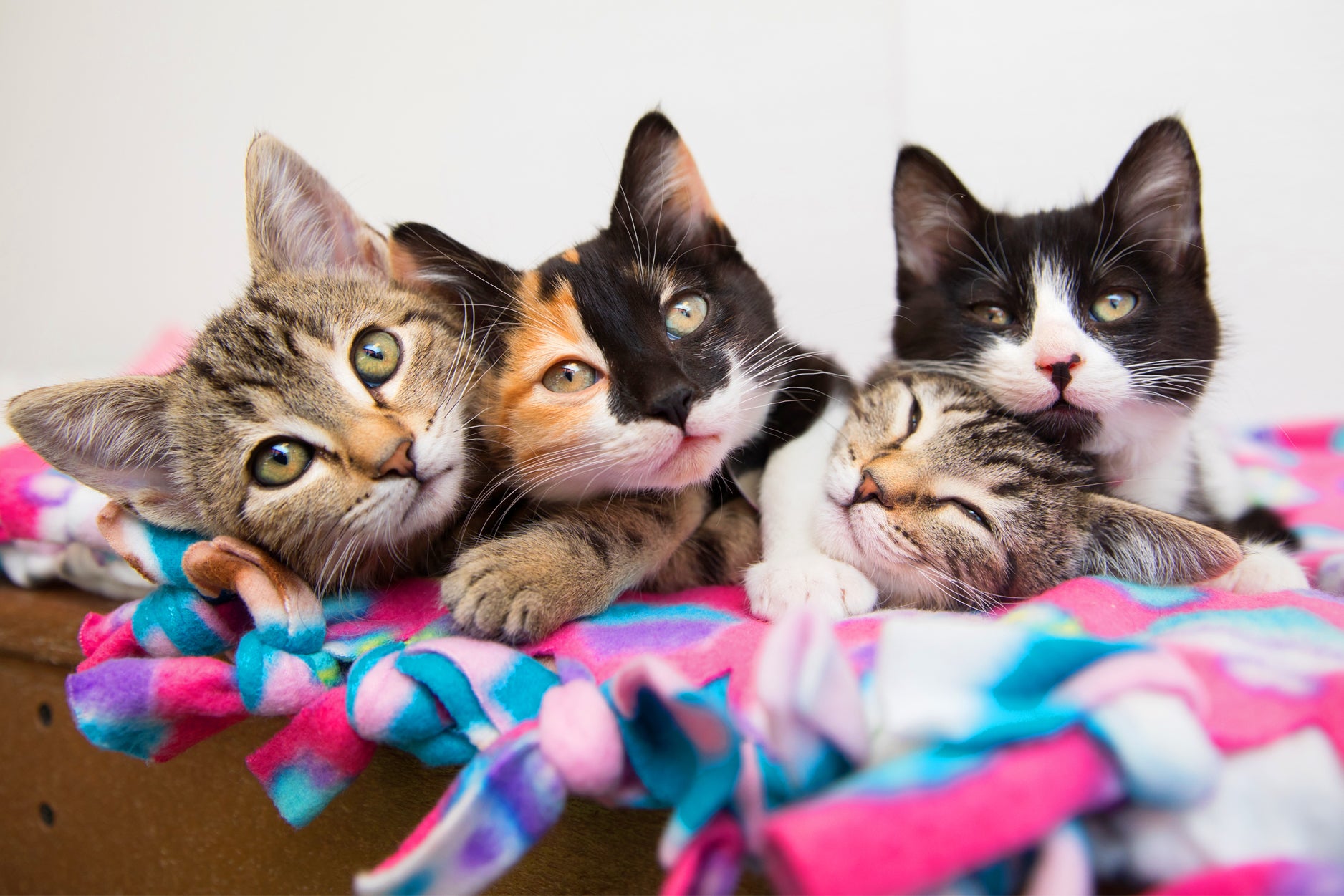
Looking ahead, continued collaboration, stable funding, and ongoing education will determine how far this positive momentum can reach. The blueprint already exists; the next chapter depends on the commitment of each new volunteer, donor, and adopter who steps forward.
Recommendations and Future Research
To extend these benefits, stakeholders should consider the following steps:
1. Secure additional grants and corporate sponsorships to expand sterilization clinic capacity.
2. Develop multilingual outreach materials that welcome diverse neighborhoods into the effort.
3. Form regional alliances that share data, transport animals between areas of high supply and high demand, and standardize best practices.
Future studies could track long-term health and behavior outcomes for adopted cats, evaluate which engagement tactics most effectively shift public attitudes, and identify policy changes that further support community-led rescue work.
