



The Value of Pet ID Tags: A Practical Guide
Introduction
Identification tags have long been a simple yet powerful safeguard for dogs and cats. Leading pet-supply chains now offer dozens of styles, colors, and engraving choices, making it easier than ever to give every companion animal a voice if they wander off. This overview looks at why these small tags matter, what to look for when buying one, and how the right pick can speed up a happy reunion.
The Role of ID Tags in Everyday Pet Safety
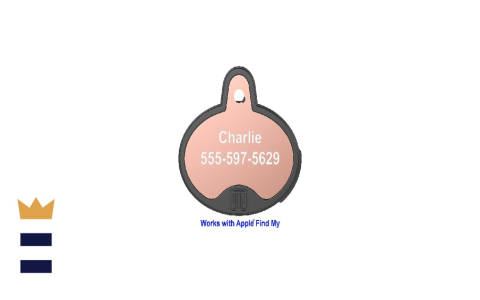
A tag usually carries the pet’s name and at least one phone number, plus optional notes such as “needs daily meds” or “microchipped.” When a curious dog slips out the gate or an indoor cat darts through an open door, that little piece of metal or durable plastic becomes the fastest way for a good Samaritan to reach the owner—no scanners or shelter visits required.
Key Features to Compare
1. Customization Choices
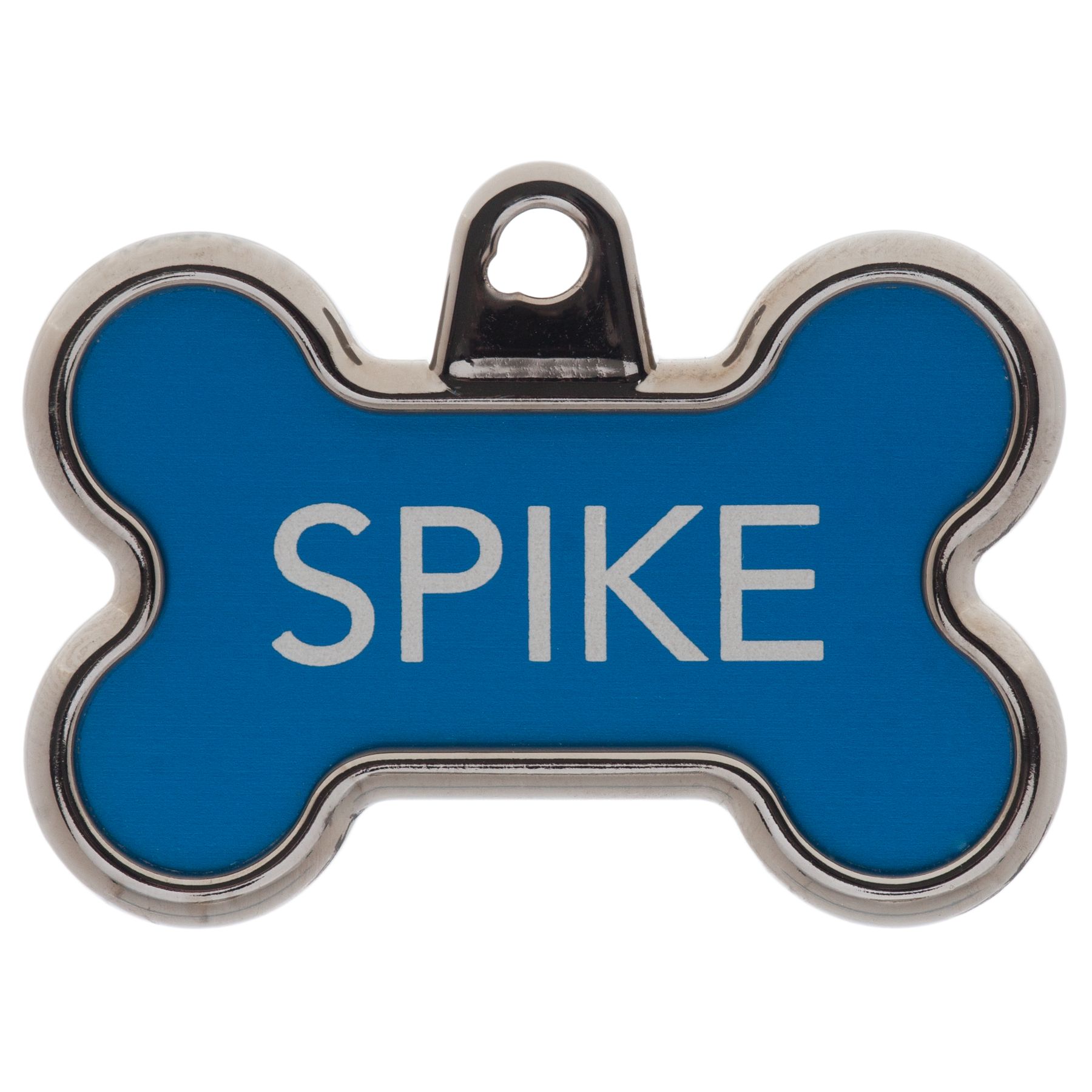
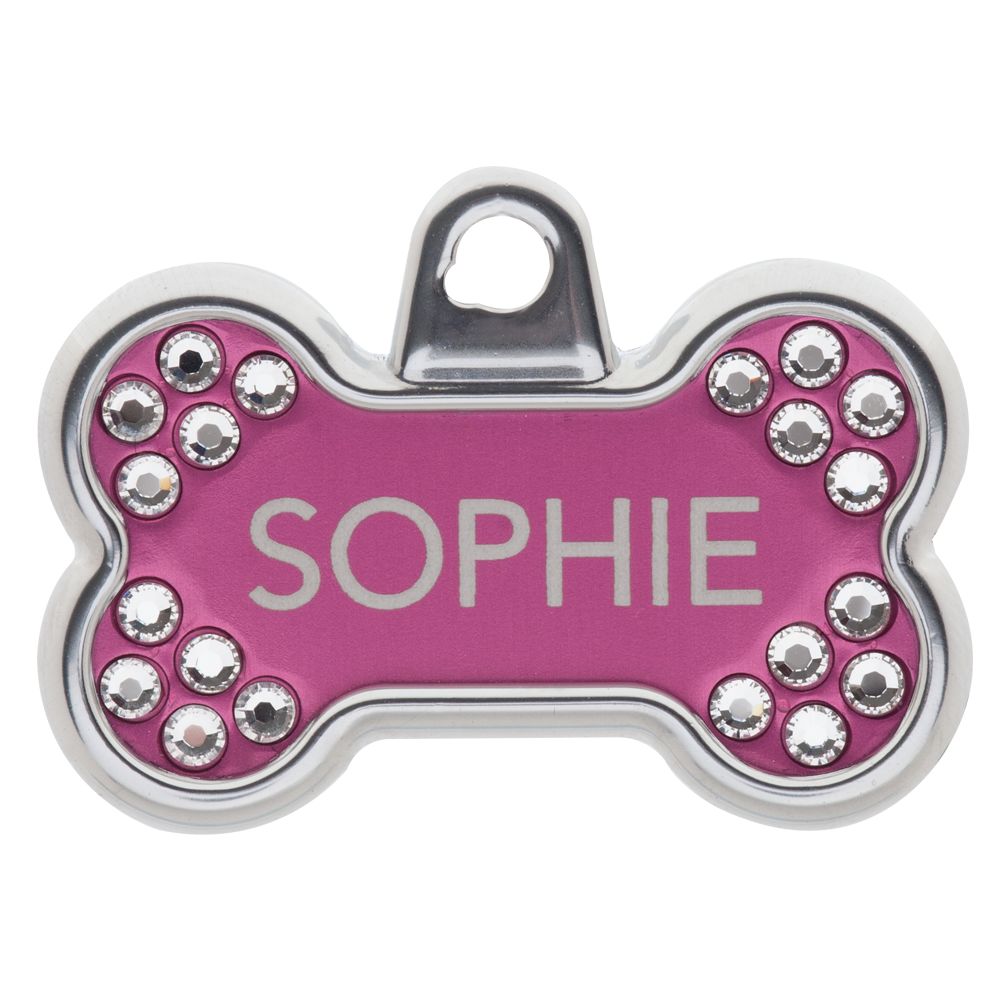
Shoppers can select classic circles, bones, hearts, or even silhouette breeds. Matte, polished, anodized, or glow-in-the-dark finishes are common, and most engravers offer several fonts so the text stays legible at a glance.
2. Strength and Weather Resistance
Stainless steel and thick anodized aluminum resist rust and scratches, while silicone edging can cut jingle noise. A split ring or locking s-hook forged from marine-grade steel lowers the risk of the tag tearing free during rough play.
3. Price Points
Basic polished tags start at the cost of a coffee, whereas designer versions with color-printed graphics or handcrafted engraving sit at a premium. Multi-packs often reduce the per-tag price, handy for households with several pets or for keeping a spare on hand.
4. In-Store Guidance
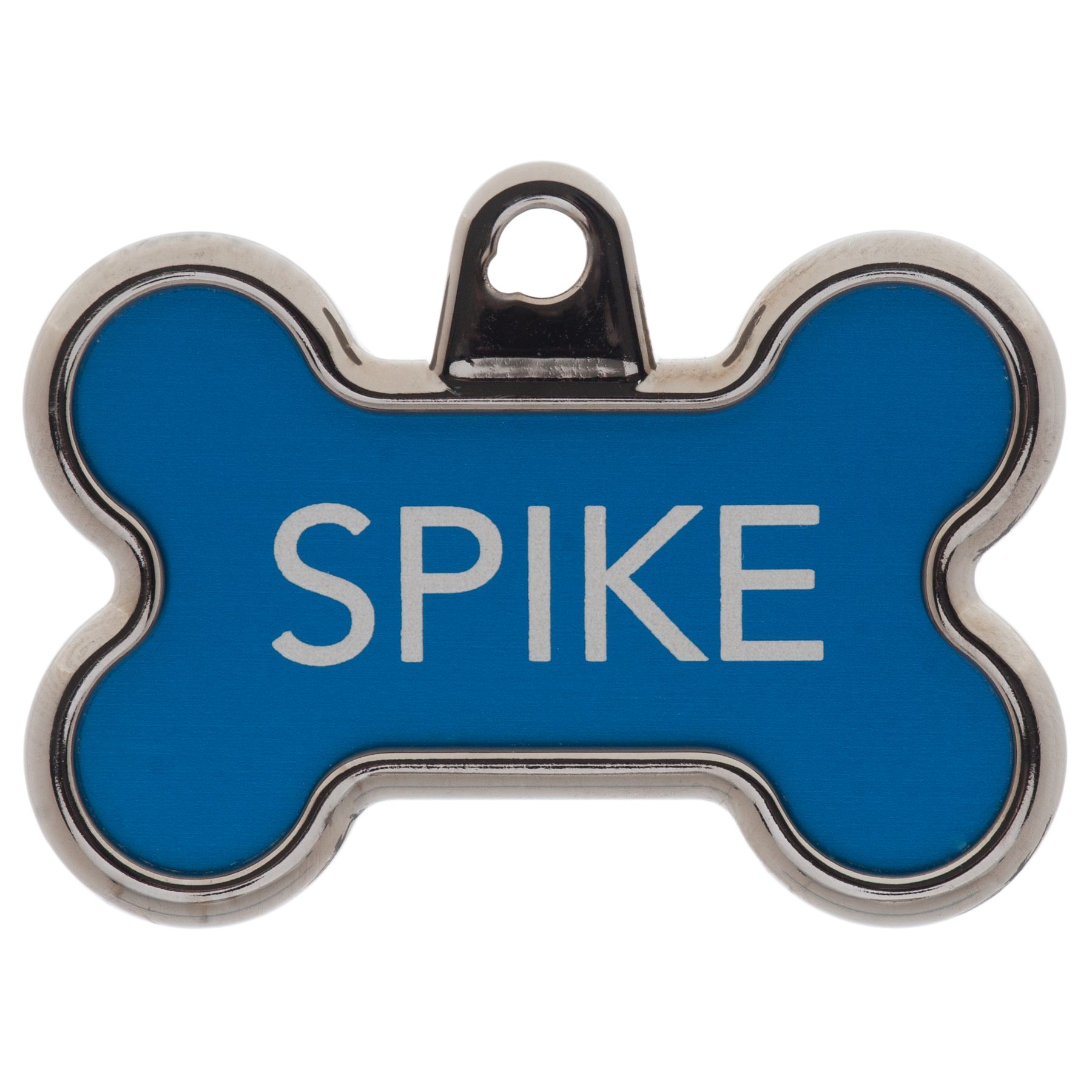
Staff members can weigh the tag in-hand to be sure it suits a teacup pup or a broad-chested Labrador, and they’ll demonstrate how to attach it so the text faces outward for quick reading.
Real-World Feedback
Buyers frequently mention three positives: fast engraving turnaround, quiet rubber bumpers that eliminate clinking, and clear lettering that still looks new after months of mud, snow, and swims. Stories of same-day reunions—often within an hour of escape—underscore why even indoor-only pets benefit from visible ID.
Wider Benefits for Animal Welfare
Beyond the obvious “call home” function, a visible tag signals that a roaming animal is loved and not a stray, reducing the chance of theft or unnecessary intake at crowded shelters. Owners also report lower stress levels during vacations or fireworks season, knowing their contact details are literally hanging around the pet’s neck.
Conclusion
Choosing a sturdy, easy-to-read identification tag is one of the quickest, most budget-friendly steps a guardian can take to protect a four-legged family member. With plentiful shapes, materials, and price levels available, there is no reason to skip this small yet critical accessory—because when a gate swings open, those engraved lines can turn a potential heartbreak into a simple phone call.