




The Impact of Nearby Housing on Community Life
Introduction
The way homes are grouped within a neighborhood quietly shapes how people live, meet, and feel about the place they call home. As cities grow, the distance between front doors influences daily routines, friendships, and even the local environment. This article looks at how living close to one another strengthens social ties, supports greener habits, and energizes the local economy.
Social Cohesion and Community Interaction
Social Cohesion
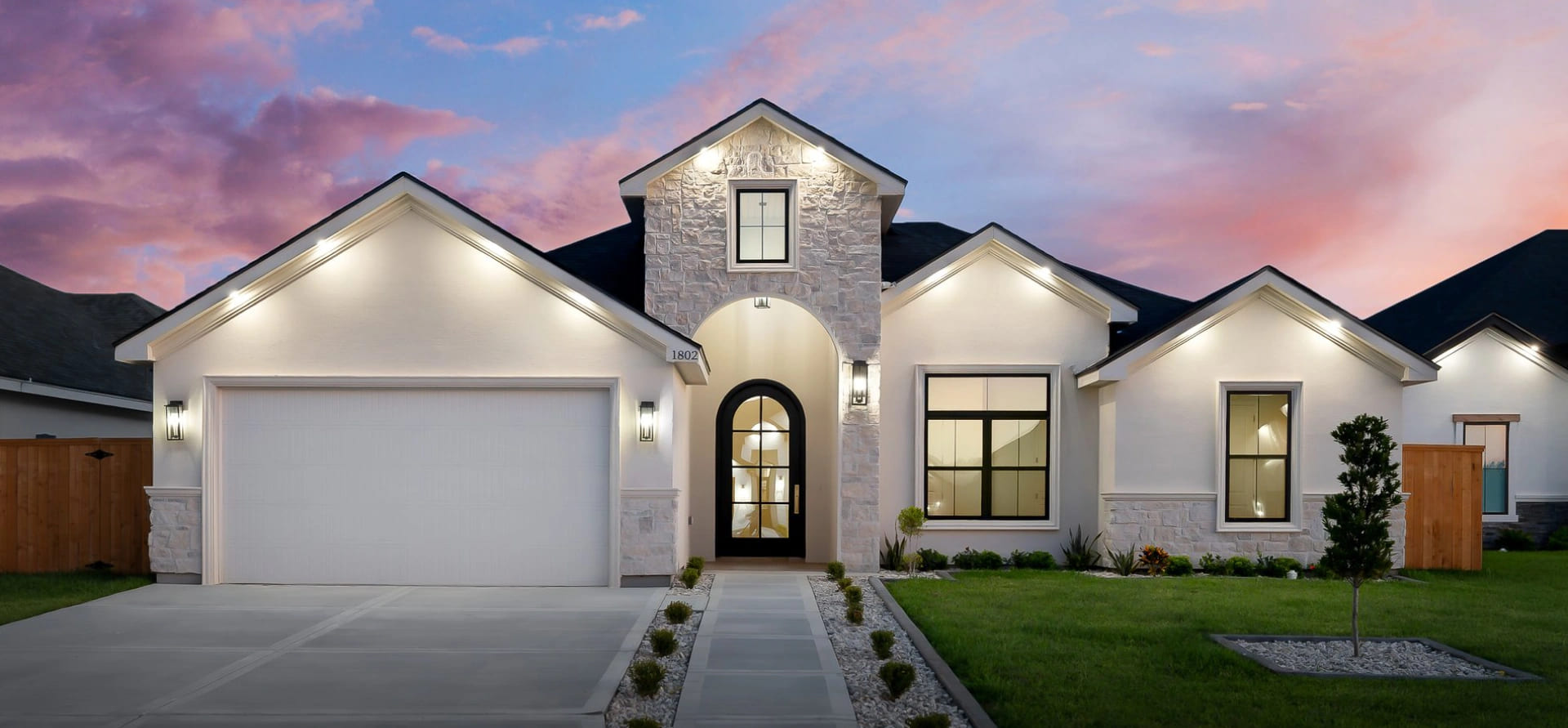
When houses are within easy walking distance, casual encounters multiply: a wave across the fence, a quick chat while taking out the bins, or a shared table at a weekend barbecue. These small moments weave a fabric of trust and familiarity that makes residents feel they belong to something larger than their own household.
Research on walkable districts shows that streets lined with porches, pocket parks, and corner cafés naturally draw people outside, increasing the number of friendly greetings exchanged each day. Over time, these greetings evolve into networks of mutual support—someone to water plants during vacation, or to call when a package arrives.
Community Interaction
Close-knit blocks also keep an informal eye on the street. More faces recognized means quicker help in an emergency and fewer opportunities for antisocial behavior. The result is a calmer public realm where children play freely and evening strolls feel relaxed.
Surveys repeatedly find that residents who know at least six neighbors by name report greater personal safety and lower anxiety levels than those who can name only one or two. Familiarity breeds not contempt, but confidence.
Environmental Sustainability
Reduced Carbon Footprint
Compact neighborhoods make it practical to leave the car at home. A five-minute walk to the bakery or a short bike ride to school replaces engine starts and tail-pipe emissions, trimming the household carbon budget without sacrifice.
Studies comparing similar-income families show that those in denser, mixed-use areas typically generate noticeably less transport-related CO₂ each year, thanks to shorter trips and richer choices of buses, trams, or cycle lanes.
Resource Efficiency
Sharing is simpler when homes are clustered. One well-designed playground can serve hundreds of children; a single district heat pump can warm an entire row of houses; rainwater collected on a communal roof irrigates surrounding gardens. By doubling up on amenities, the neighborhood consumes fewer raw materials and less land per resident.
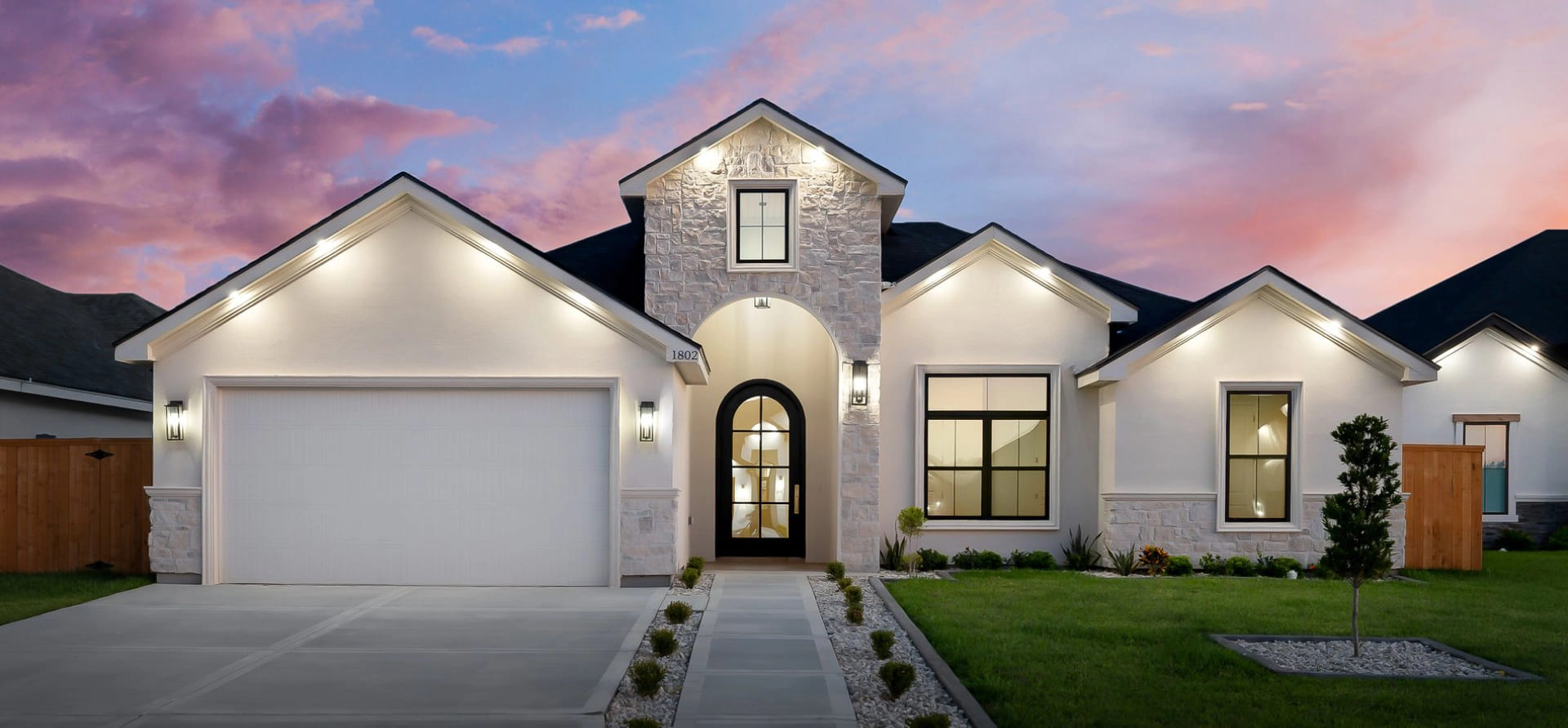
Urban planners often observe that infrastructure cost per household drops as development becomes more compact, freeing public funds for libraries, tree planting, or art instead of extra miles of road and pipe.
Economic Development
Real Estate Value
Buyers vote with their wallets. Streets that offer convenience, sociability, and a choice of cafés within a short stroll consistently command stronger demand, which stabilizes property values over the long run.
Market analyses reveal price premiums for homes in pedestrian-friendly census tracts, even after adjusting for dwelling size, reflecting the everyday lifestyle advantages that buyers are willing to pay for.
Job Creation
Every new café, salon, or repair shop along a main street needs baristas, stylists, and technicians—jobs that arise naturally where foot traffic is reliable. A steady stream of local customers allows small businesses to open and expand, keeping employment close to home and shortening commutes.
Case studies of revitalized downtowns show that adding modest numbers of new residences can tip the balance, turning vacant storefronts into vibrant enterprises that hire from the surrounding blocks.
Conclusion
Nearby housing is more than a matter of geography; it is a catalyst for connection, conservation, and prosperity. By encouraging human-scale distances between homes, shops, and gathering spots, communities unlock social, environmental, and economic gains that sprawl simply cannot match. As cities look ahead, prioritizing proximity may be the single most cost-effective tool for building resilient, joyful places to live.
Recommendations and Future Research
To amplify these benefits, local leaders can:
1. Allow corner stores, studios, and small offices within residential blocks so errands become a stroll instead of a drive.
2. Expand frequent bus, bike-lane, and e-bike networks that knit neighborhoods together without crowding roads.
3. Update zoning rules to reward developers who carve out shared courtyards, roof gardens, and safe play streets.
Scholars, meanwhile, could explore:
1. How long-term residents and newcomers alike sustain trust as density rises.
2. The multiplier effects of local spending in walkable corridors compared with car-oriented retail centers.
3. Ways digital tools—such as community apps or smart energy grids—can deepen cooperation among close neighbors without replacing face-to-face contact.