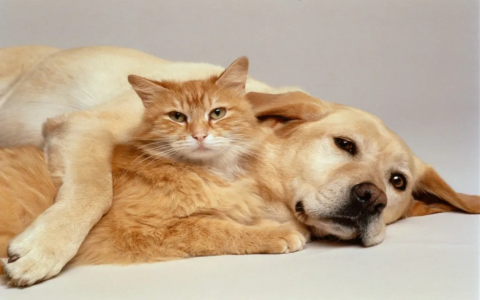
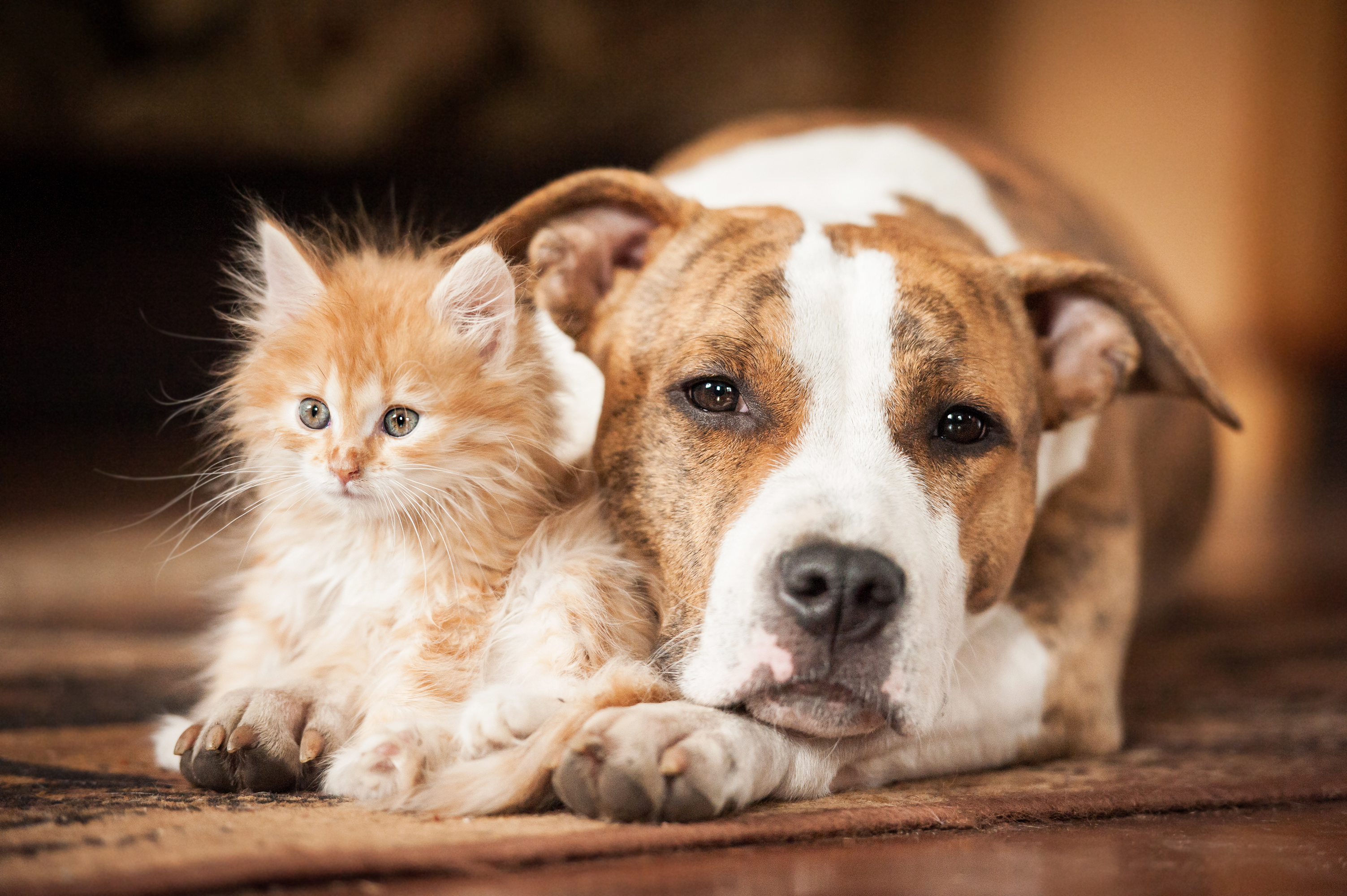
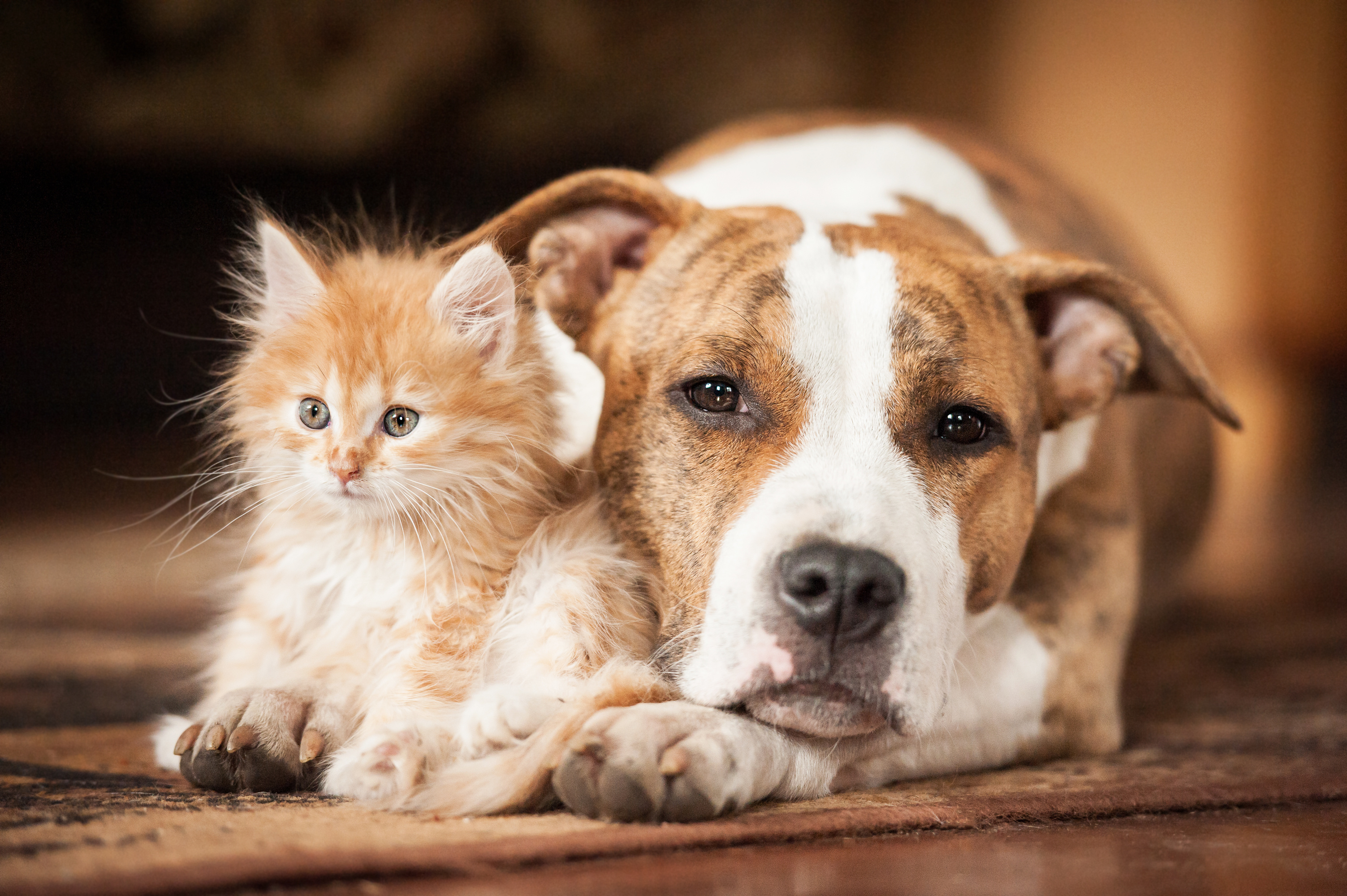
Cats, dogs, and other beloved pets have shared our homes and hearts for millennia. Beyond simple companionship, they offer comfort, security, and a daily sense of purpose. This article surveys the many ways these animals enrich human existence, touching on health, social connections, and cultural meaning, while highlighting the mutual benefits of our shared lives.
The Evolution of Human-Animal Bonds
Historical Perspectives
Early communities first valued animals for practical help with food, clothing, and transport. Over centuries, the relationship deepened into affectionate partnership. The gradual domestication of cats and dogs paved the way for animals to become trusted household members rather than mere resources.
Companionship and Emotional Support
A quiet cat on a lap or an eager dog at the door can ease loneliness and lift spirits. Regular interaction with pets is widely linked to lower stress and a greater sense of safety, especially during challenging moments.
Health Benefits of Sharing Life with Animals
Physical Health
Daily walks and play sessions with dogs naturally boost exercise levels, supporting cardiovascular fitness and healthy weight. Even calmer pets such as cats can help lower blood pressure through soothing presence and gentle routines.
Mental Health
Stroking fur, hearing a purr, or tossing a ball releases feel-good hormones that reduce anxiety and elevate mood. Structured animal-assisted activities are now common in clinics, schools, and care homes, aiding people coping with stress, trauma, or low mood.
Social Connections and Community Life
Pets as Conversation Starters
A leashed dog or a curious cat in a window often sparks friendly chats among neighbors. Pet-centered gatherings, from park meet-ups to adoption fairs, create natural spaces for people of diverse ages and backgrounds to connect.
Community Engagement
Owners frequently volunteer at shelters, join clean-up events, or fundraise for animal welfare, strengthening local networks and encouraging civic pride.
Cultural Significance
Symbolism and Representation
Across cultures, cats have symbolized mystery and guardianship, while dogs epitomize loyalty and protection. Folklore, festivals, and everyday language continue to celebrate these timeless associations.
Art and Literature
From ancient murals to modern novels, companion animals appear as muses, metaphors, and beloved characters, reflecting their enduring influence on creative expression.
Conclusion
Cats, dogs, and other pets remain essential threads in the fabric of daily life, supporting well-being, encouraging kindness, and weaving communities together. Recognizing and nurturing this bond can inspire more compassionate, connected societies.
Recommendations and Future Research
To deepen appreciation of human-animal relationships, consider the following steps:
1. Expand studies on how pets influence mental health and social resilience across age groups.
2. Design neighborhoods that welcome animals through safe parks, housing, and transport options.
3. Integrate trained animals into therapeutic programs for stress, anxiety, and rehabilitation support.
4. Back shelters and outreach initiatives that safeguard both animal welfare and responsible ownership.
Future inquiry could explore:
1. Lifelong developmental effects of growing up with companion animals.
2. The capacity of pets to strengthen trust and cooperation within communities.
3. Ethical dimensions of caregiving, including adoption practices and sustainable guardianship.