
Title: Golden Seal for Dogs: A Practical Overview
Introduction:
Golden seal has become a popular botanical among dog owners looking for gentle, plant-based support for common canine complaints. This overview explains how the herb is used, what veterinarians report, and what owners should know before adding it to a pet-care routine.
Understanding Golden Seal for Dogs
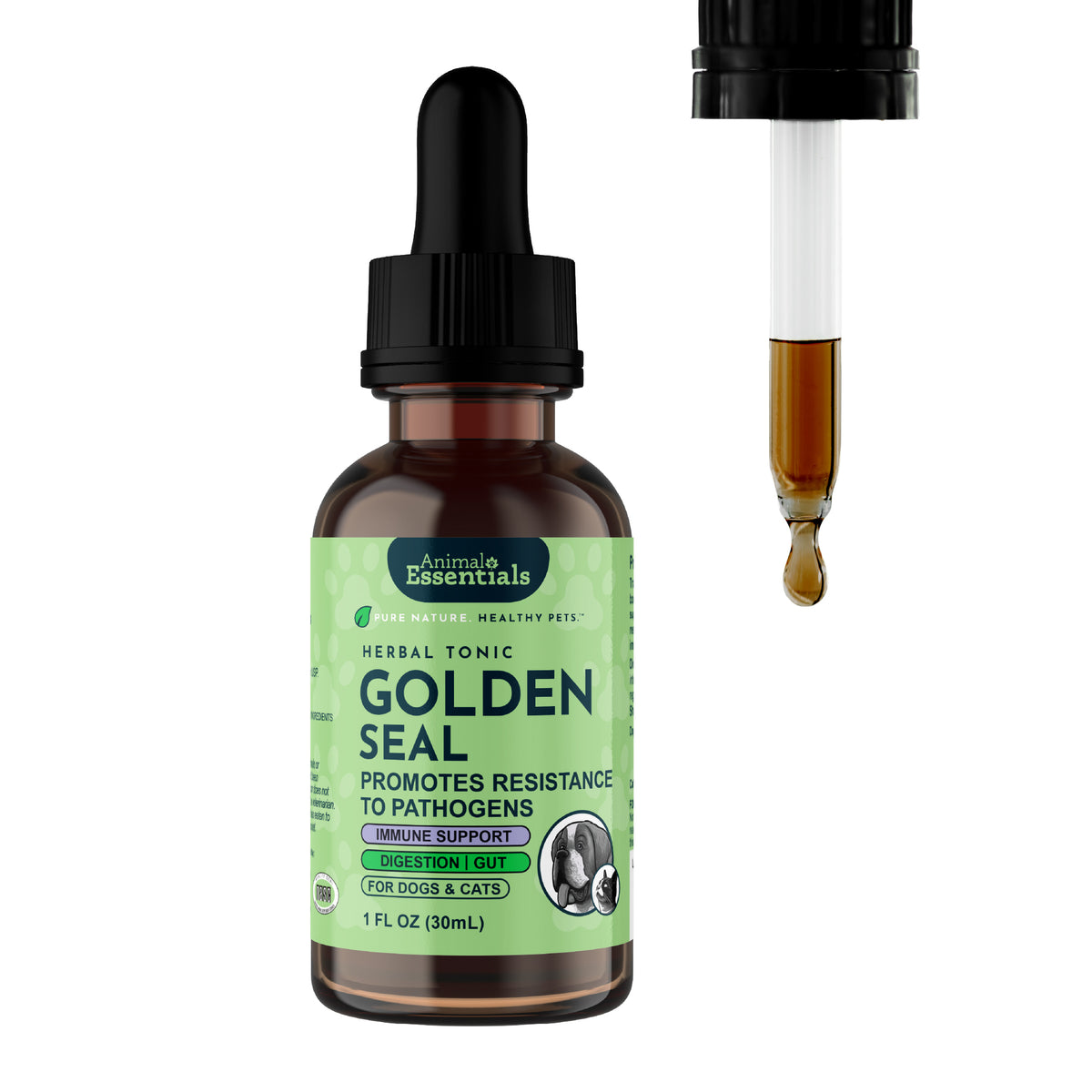
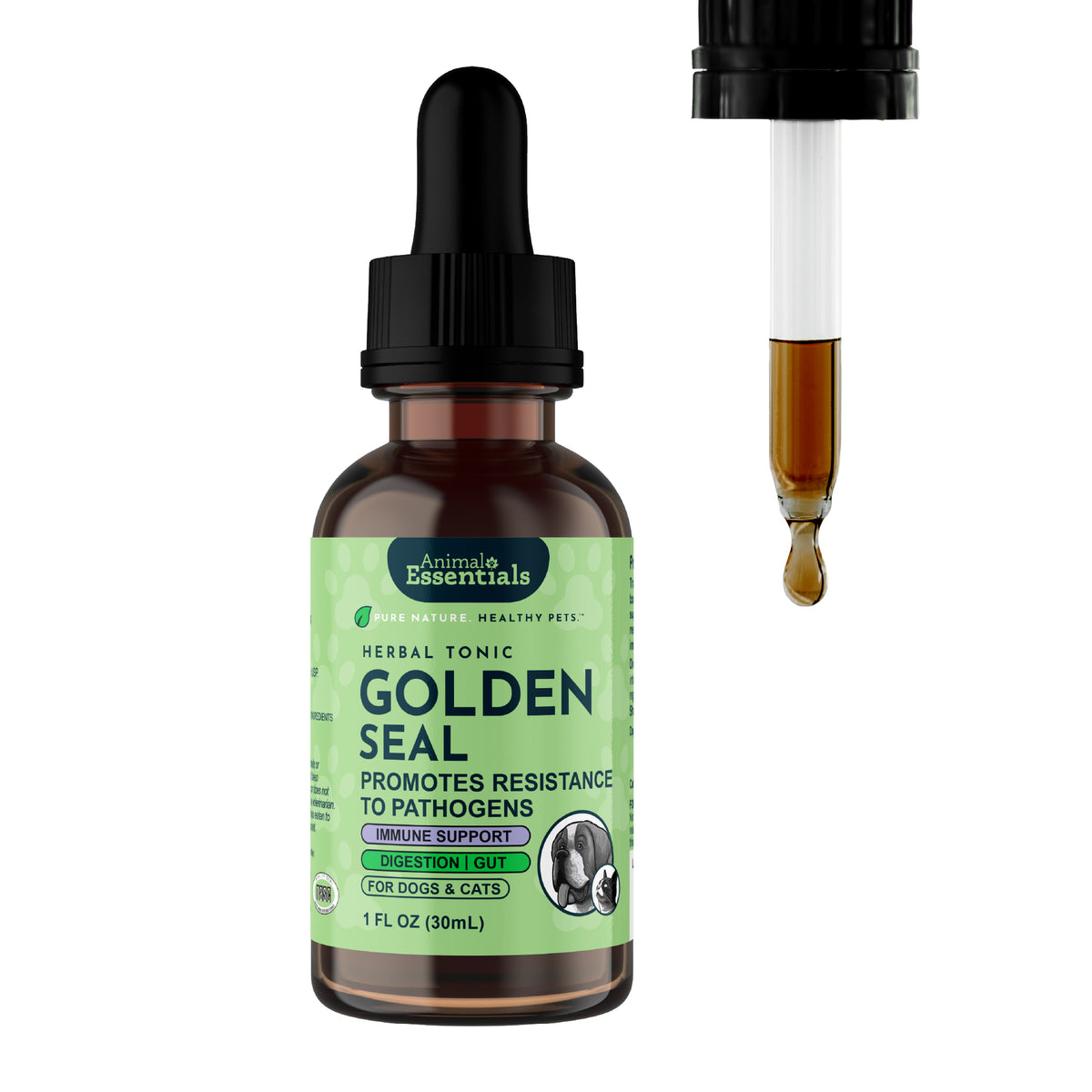
Golden seal is a woodland plant long valued in traditional North-American herbalism. Its main alkaloids—berberine and hydrastine—are thought to offer mild antimicrobial, soothing, and immune-supportive qualities. Today, canine formulas appear as capsules, alcohol-free glycerites, or plain powders that can be mixed with food.
Because strength and dosing vary by product, professional guidance is recommended before giving golden seal to any dog.
Benefits of Golden Seal for Dogs
1. Microbial balance: The herb’s natural compounds may discourage unwanted bacteria or yeast on the skin or in the urinary tract, making it a common addition to hygiene-focused protocols.
2. Soothing inflammation: Older pets or those with seasonal stiffness sometimes receive golden seal for its gentle calming effect on irritated tissues.
3. Immune reinforcement: By promoting normal immune signaling, the plant can help dogs mount an appropriate response to everyday environmental challenges.
4. Digestive comfort: A small amount added to meals may encourage a healthy mucous lining in the gut and support balanced intestinal flora, easing occasional loose stools or gurgling bellies.
Scientific Evidence and Research
Peer-reviewed work on golden seal is still limited, yet early laboratory studies offer encouraging clues:
1. Antimicrobial Activity: In vitro tests show extracts can curb common canine-associated bacteria, suggesting potential for topical or urinary applications.
2. Anti-inflammatory Effects: Cell-culture work indicates berberine helps modulate inflammatory pathways, backing traditional use for joint and bowel comfort.
3. Immune System Support: Animal models hint at improved white-blood-cell activity after short-term supplementation, though canine-specific trials remain needed.
Considerations and Precautions
1. Veterinary input: Always discuss dose, duration, and form with a qualified professional, especially if the dog is very young, pregnant, or chronically ill.
2. Possible sensitivities: Mild vomiting or soft stools can occur; stop the herb and reassess if any sign of intolerance appears.
3. Drug interactions: Golden seal may amplify or weaken certain medications, so provide your vet with a complete supplement and prescription list.
Conclusion
Golden seal offers a time-tested, low-tech option for owners seeking extra support against infection, inflammation, or digestive upset. Used judiciously and under veterinary supervision, it can complement conventional care and contribute to a dog’s everyday vitality. Continued research will clarify optimal dosing, long-term safety, and specific conditions most likely to benefit from this versatile botanical.
Future studies should target controlled canine trials, standardized extracts, and clear outcome measures so that golden seal can earn an evidence-based place alongside mainstream therapies.